
Last updated November 25, 2026
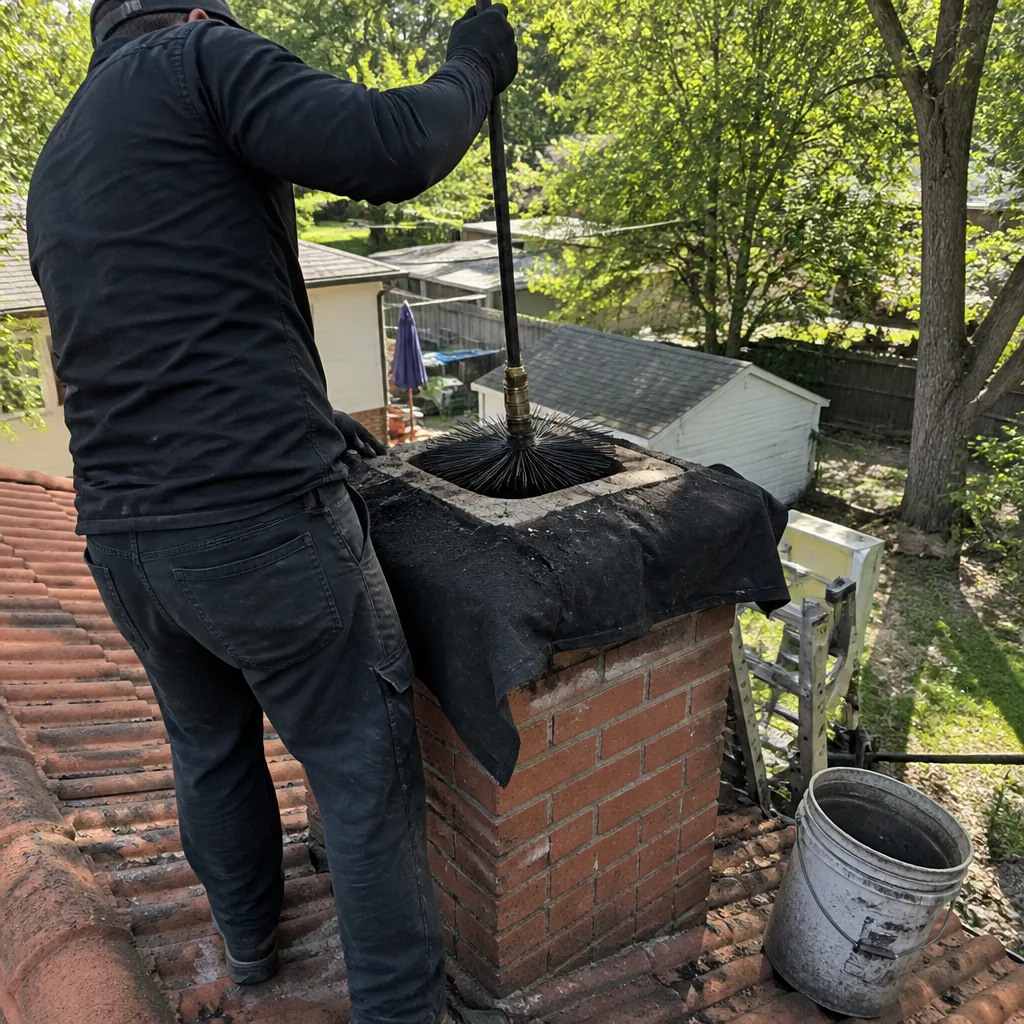
 Sweep & inspection
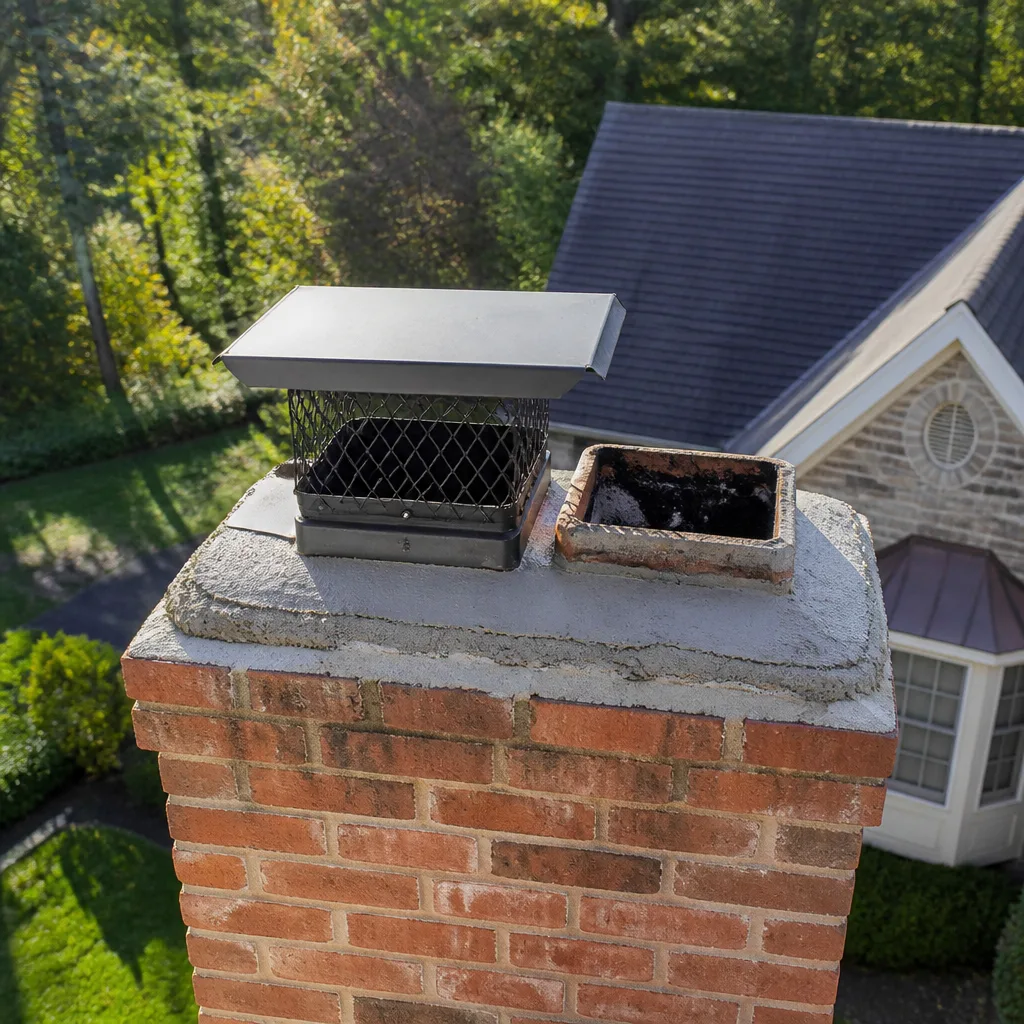
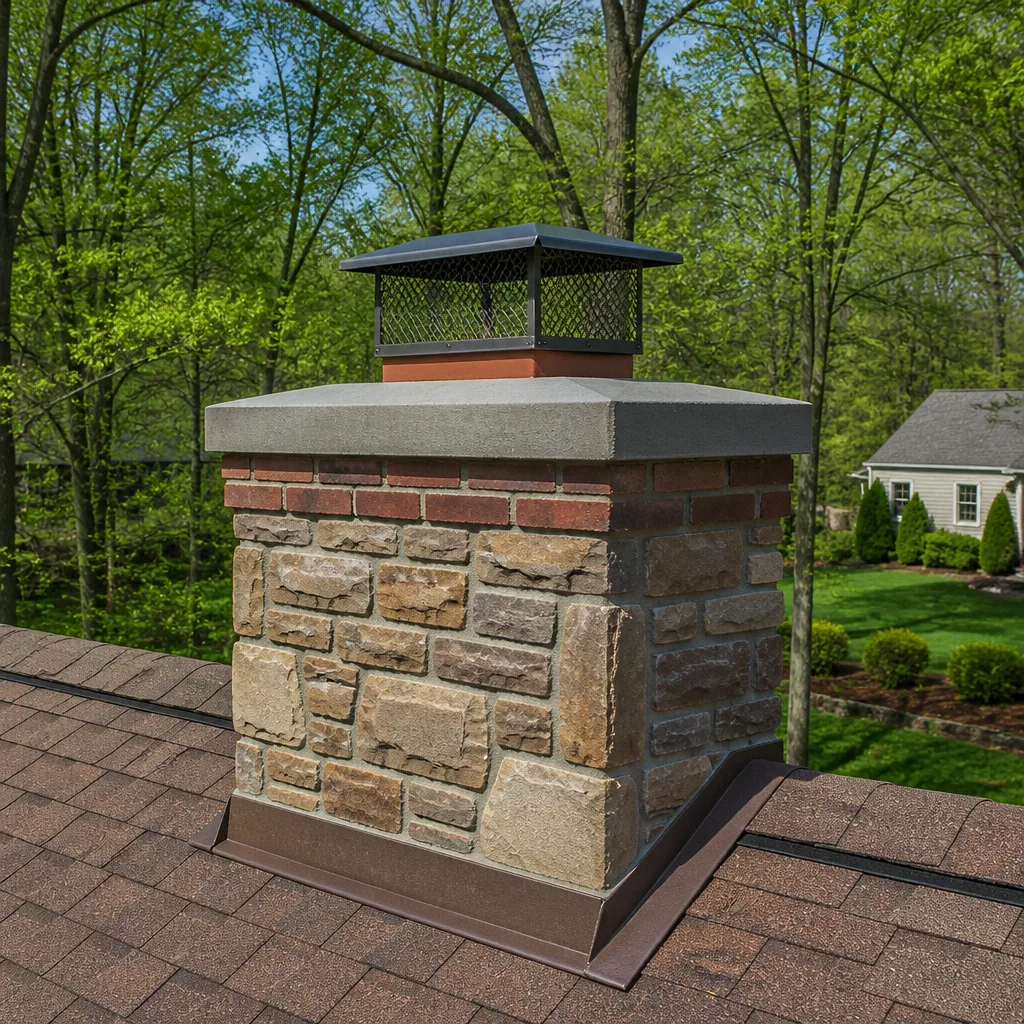 Caps & crowns
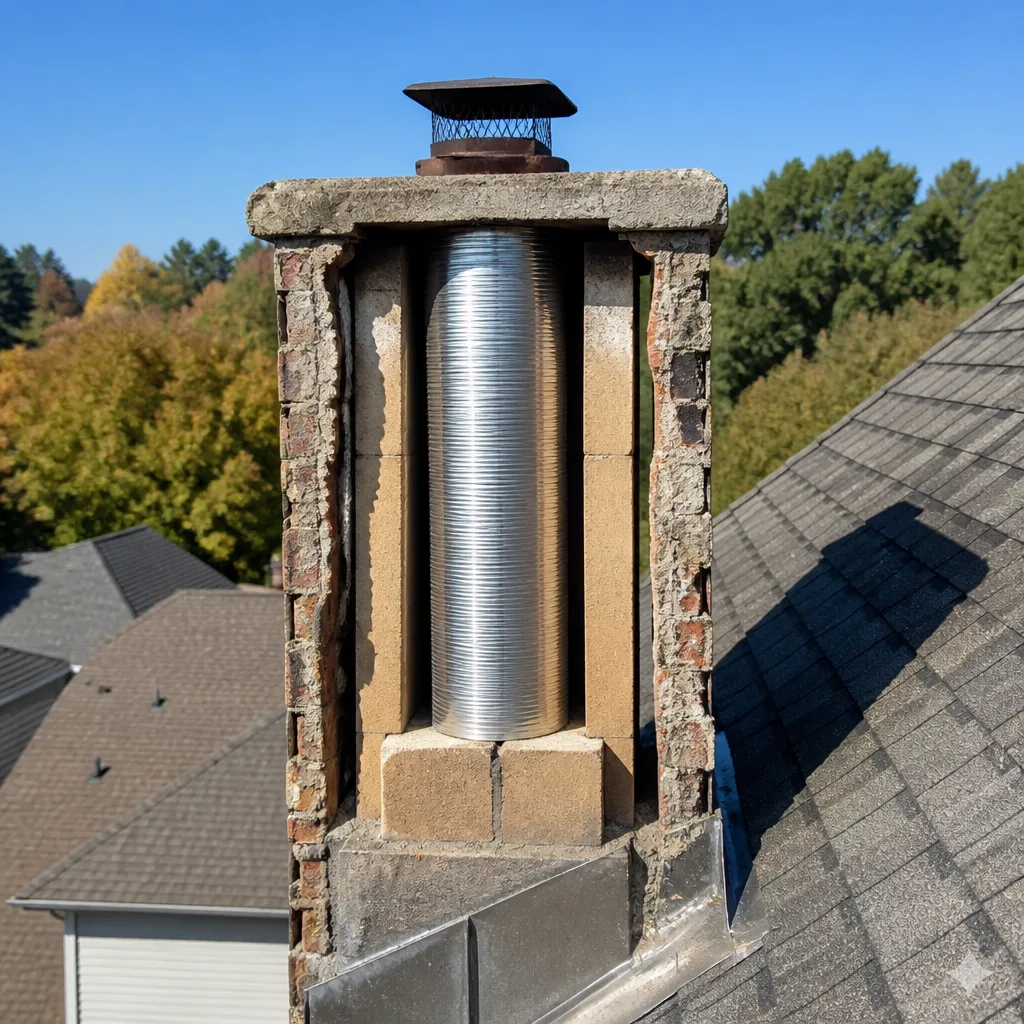 Flue relining
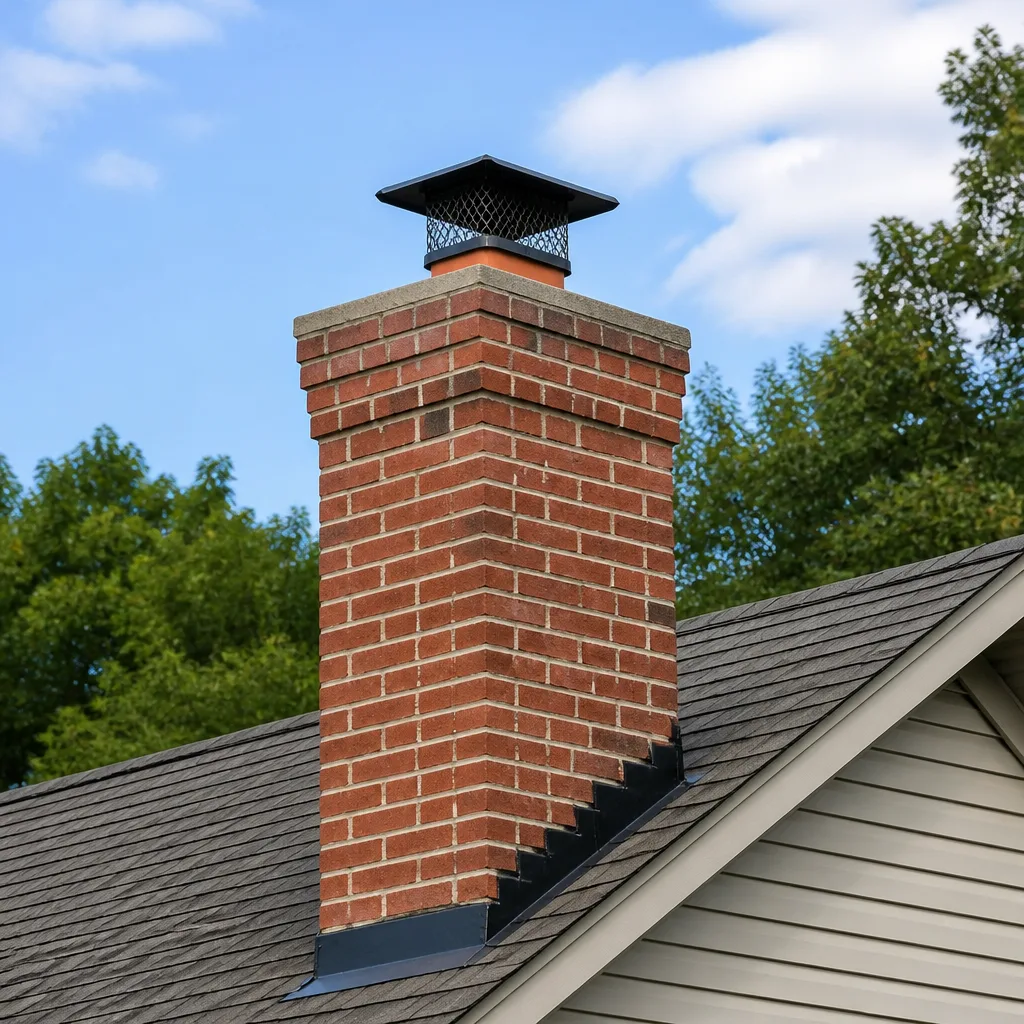 Masonry repair
 Gas fireplace service
Level 1 sweep and inspection to the NFPA 211 annual standard - flue, crown, cap, and flashing checked and photographed
Chimney sweep logs do not sweep chimneys. They loosen some creosote - which then falls where a brush and vacuum still have to collect it.
How to Hire a Chimney Cleaning Contractor in Casa View: A Step-by-Step Guide
The sweep with the lowest quote is usually the one you know the least about. In the Casa View area, the businesses advertising “chimney cleaning” range from trained specialists with current certifications to general handymen who added a brush kit and a listing to their service menu, and a search result or a star rating won’t tell you which is which. Three questions get you most of the way there: Can you show me your CSIA certification number? What liner system do you specify for a damaged flue, and why? Do you carry both general liability and workers’ comp? Low-bid operators tend to fail at least two. This guide gives you a vetting framework you can use in a single phone call, before anyone climbs on your roof.
Quick Answer
To hire a chimney cleaning contractor in Casa View, verify the technician’s CSIA certification independently through the Chimney Safety Institute of America, confirm both insurance policies in writing, ask which liner and repair systems they specify by brand name, and insist on a written inspection report with photographs before approving any repair. A legitimate provider will hand over all of it without hesitation. A generalist who can’t name a liner system or won’t put scope in writing is not the person you want on your roof.
Styles & brands we work with
- Sweep & inspection
- Caps & crowns
- Flue relining
- Masonry repair
- Gas fireplace service
Table of Contents
- Why chimney contractors in Casa View aren’t interchangeable
- Which certifications actually matter, and how to verify them
- The three questions that filter out unqualified operators
- Red flags in a chimney sweep quote
- What a legitimate proposal should contain
- Why brand-specific materials signal professional work
- How to compare bids that look identical on price
- Common mistakes to avoid
- When to call a professional
Why chimney contractors in Casa View aren’t interchangeable
The chimney trade split into two groups years ago, and the split isn’t visible from the outside. On one side are specialists who inspect, sweep, reline, and repair, and who invest in certification and professional-tier materials. On the other are generalists who sweep as an add-on between gutter cleanings and drywall patches. Both will show up at your door with a ladder. Only one is equipped to tell you what’s actually happening inside your flue.
The gap matters more in a place like Casa View than in a cold-climate city. Winters here are mild, which means many homeowners light the fireplace a handful of times a season and assume there’s nothing to worry about. That lighter use pattern hides a real problem: creosote builds up whether you burn every night or every other week, and the slow accumulation between cleanings is exactly what a trained eye catches and a rushed sweep misses. A generalist sweeps what they can see. A specialist diagnoses the whole system.
Here’s the practical difference. When we assess a chimney, we’re looking at the flue’s interior condition, the crown, the cap, the firebox, and the smoke chamber as one connected system. A crack in the crown lets water in. Water degrades the flue lining. A degraded lining changes how the chimney drafts. A drafting problem pushes smoke and combustion byproducts back into the room. None of that shows up in a $99 sweep-and-go visit.
- Specialists inspect with a camera, document what they find, and can repair what they diagnose.
- Generalists sweep, hand you a receipt, and refer you elsewhere when something is wrong.
- The cost of confusion is paying twice: once for the sweep that missed the problem, once for the repair it became.
If you want the full picture of what a proper visit includes, start with the basics of a chimney sweep and what it should cover beyond the brush.
Which certifications actually matter, and how to verify them
Two credentials separate a trained chimney professional from a hobbyist: CSIA certification and NFI certification. The CSIA, the Chimney Safety Institute of America, is the recognized credentialing body for chimney sweeps in the United States. NFI, the National Fireplace Institute, certifies technicians on hearth appliance installation and service. A sweep who holds CSIA certification has passed a proctored exam and committed to a code of ethics. That’s not a marketing badge; it’s a verifiable standard.
The part most homeowners miss: anyone can say “we’re certified.” Verification is on you, and it takes about two minutes.
- Ask for the certification number. Not a logo on a truck, not a badge on a website, an actual number tied to a name.
- Look it up yourself on the CSIA’s public directory of certified sweeps. Search by the company name or the technician’s name.
- Match the number to the technician who shows up. A certified owner who sends uncertified helpers isn’t offering you certified work.
- Ask about continuing education. CSIA certification requires renewal and ongoing training. A current credential means current knowledge.
- Confirm insurance separately. Certification and insurance are different things. Ask for a certificate of insurance showing both general liability and workers’ comp, and call the insurer if you want to be certain.
That last point deserves emphasis. If an uninsured technician is injured on your roof, the liability can follow the property. Workers’ comp coverage protects you as much as it protects them. A contractor who hesitates to produce proof of insurance is telling you something.
In our experience across Casa View, the operators who hold real credentials are the ones most comfortable being asked. They expect the question. The ones who bristle at it usually have a reason.
The three questions that filter out unqualified operators
You don’t need an hour to separate a specialist from a generalist. The opening hook of this guide gave you three questions. Here’s why each one works, and what a good answer sounds like.
Question 1: Can you show me your CSIA certification number?
A certified sweep gives you the number and invites you to check it. A generalist pivots to “we’ve been doing this a long time” or “we’re fully insured” without ever producing a credential. Experience claims are unfalsifiable; a certification number is not.
Question 2: What liner system do you specify for a damaged flue, and why?
This is the question that reveals technical depth. A specialist names a specific system, like DuraFlex flexible liners or HeatShield ceramic resurfacing, and explains when each applies. A generalist says “we use quality materials” and changes the subject. Vague material language is the clearest signal that the contractor doesn’t work with professional-tier products.
Question 3: Do you carry both general liability and workers’ comp?
The answer should be immediate and backed by paperwork. “Yes, we’re insured” is not an answer; a certificate of insurance is. Any contractor who can’t produce one in writing is asking you to absorb risk you never agreed to.
Two out of three failures is your signal to keep calling. One failure is worth a follow-up question. Zero failures means you’re talking to someone who takes the trade seriously, and that’s the standard we hold ourselves to as part of the professional chimney community in Casa View.
Red flags in a chimney sweep quote
A quote is a document, and what’s missing from it tells you as much as what’s in it. These are the warning signs we hear about most often from homeowners who’ve already been burned once.
- A single flat price with no scope of work. If the quote says “$X for chimney cleaning” and nothing else, you don’t know what’s included, what’s excluded, or what triggers an upcharge. A real proposal itemizes.
- No written inspection report. Every legitimate visit should produce documentation: what was inspected, what was found, and photos or video of the flue interior. If you don’t get a report, you have no record and no basis to decide.
- Refusal to provide references. A contractor with a real local reputation is happy to connect you with past customers. A refusal, or a vague “we have plenty of happy clients,” is a red flag.
- A hard sell for major repairs on the spot. A legitimate specialist diagnoses, documents, and explains. If someone climbs down from your roof and immediately pressures you into a several-thousand-dollar reline before you’ve seen any evidence, slow down.
- No company name on the truck or the paperwork. Cash-only, no-invoice operations leave you with zero recourse if something goes wrong.
- Liner quoted with no sizing calculation. Liner sizing depends on your flue dimensions and the appliance it serves. A quote that skips the calculation is a quote that guessed.
The pattern behind all of these is the same: a contractor who wants your money before you have information. Legitimate work is the other way around. You get the evidence first, then you decide.
If a quote raises questions about whether repair is actually needed, it helps to understand what chimney cap & crown problems look like when they’re real and how a specialist documents them.
What a legitimate proposal should contain
A written proposal is the difference between a free estimate and a service agreement. Here’s what a professional one includes, in detail specific enough that you can compare it line by line against another bid.
- Material specifications by brand. Not “flexible liner” but “DuraFlex flexible liner system, sized to the flue.” Not “resurfacing” but “HeatShield ceramic flue resurfacing.” Brand names are a commitment; generic language is an escape hatch.
- Liner sizing calculations. The proposal should state the flue dimensions and the liner diameter selected, and explain why that size fits your appliance. This is the technical step that gets skipped when work is quoted blind.
- A clear warranty statement. What’s covered, for how long, and by whom. A real warranty is in writing, not a handshake.
- Scope and exclusions. What the crew will do, what they won’t, and what conditions could change the price. Any contractor who won’t commit to a scope is building in room to charge you more later.
- The inspection report as an attachment. Photos, camera findings, and a written summary. The proposal references the evidence so you can see the reasoning.
- A final price, in writing. The written estimate sets the price. No surprises after the work begins.
When you’re comparing proposals, this list is your scorecard. The bid that names DuraFlex or HeatShield and shows its sizing math is doing the work of a professional restoration contractor. The bid that says “quality materials” is hoping you won’t ask.
Why brand-specific materials signal professional work
A chimney isn’t a generic pipe. It’s a system of components, each engineered to specific standards, and the materials a contractor chooses determine how long the repair lasts. That’s why the material line of a proposal is where professionalism shows most clearly.
Flexible liner systems like DuraFlex are the standard for relining damaged flues without tearing down the chimney. HeatShield ceramic resurfacing is applied inside the flue to repair deterioration in place. Caps and crowns from makers like Gelco are engineered for specific weather protection. Copperfield and Olympia Chimney supply components used by masonry contractors across the country. A specialist knows these systems because they use them. A generalist says “quality materials” and hopes you don’t push further.
The Casa View climate makes this matter in a particular way. Our milder winters mean less freeze-driven wear than you’d see further north, but they don’t mean your chimney is safe from water. Rain, summer humidity, and the occasional hard storm work on the crown and cap year-round. A properly specified cap and a crown that sheds water correctly protect the whole assembly from the top down. That’s why the fireplace repair and weather-protection side of the work deserves as much attention as the sweep itself. When materials come from professional-tier suppliers, they’re specified for the conditions they actually face.
We work with a curated roster of professional-grade chimney brands. If you’re evaluating a proposal and the material line is vague, ask for specifics by name. The answer tells you whether you’re dealing with a contractor who specifies for the long haul.
How to compare bids that look identical on price
Two quotes that land within a few hundred dollars of each other are not necessarily the same job. They can differ dramatically in what’s actually included, and the cheaper one is the more common trap. Here’s how to strip away the noise and compare what you’re really buying.
- Compare the material line first. Brand-named products versus generic language. A DuraFlex liner quoted by name against “flexible liner” is not a price comparison; it’s a comparison between a known product and an unknown one.
- Compare scope, not the final number. Does one bid include the camera inspection and photo report, and the other charge for it separately? Does one include cap and crown work while the other quotes them as add-ons?
- Compare what’s documented. The bid that comes with a written report and photos is already worth more than the bid with a verbal estimate.
- Compare the warranty terms. A longer, written warranty reflects confidence in the materials and the workmanship.
- Compare the response to questions. The contractor who answers your technical questions in detail is the one who’ll explain the work when it matters.
One more point on urgency. A legitimate specialist tells you honestly when work can wait. If a chimney that’s had a light-use schedule suddenly needs a full reline before the season starts, ask to see the camera footage from inside your own flue. A specialist will show you. A salesperson will change the subject. A well-maintained, lined, capped chimney is cheap to keep that way; a rushed stopgap is expensive to replace. We use the materials that last past the warranty call, and we’ll tell you when you don’t need a repair yet.
Common Mistakes to Avoid
- Hiring on price alone. The lowest quote is often the lowest because it includes the least. Compare what’s in the scope, not just the number at the bottom.
- Skipping the certification check. A CSIA number is verifiable in minutes. Not verifying it is the most avoidable risk in the whole process.
- Accepting a verbal diagnosis. If a contractor tells you your flue is damaged, ask to see the camera evidence. No footage or photos, no decision.
- Ignoring the crown and cap. In a mild-climate market like Casa View, water intrusion from a failed crown or missing cap does more long-term damage than the occasional burn. Get them inspected.
- Paying for work before you have a written proposal. A deposit against a verbal estimate leaves you no protection if the scope shifts.
- Assuming light fireplace use means no maintenance. A fireplace used a handful of times a season still accumulates creosote. The inspection cadence doesn’t change with how often you burn.
- Not keeping the inspection report. If you sell the house, a documented service history is a real asset. The report also gives your next contractor a baseline.
When to Call a Professional
Some situations clearly call for a trained technician rather than a quick look. If your last sweep was more than a season or two ago, if you’ve never had the flue inspected, or if you’ve noticed smoke backing into the room when you light a fire, it’s time. A strong creosote smell, visible soot at the firebox, or a draft that feels off are all worth a professional assessment. Gaps at the firebox liner, a rusted or missing cap, and cracks in the crown are conditions that need proper diagnosis, not a guess.
Fire isn’t the only risk. Carbon monoxide from a choked or damaged flue has no smell and gives no warning. That’s reason enough to have the system looked at by someone who knows what they’re examining. Chimney Sweep Casa View offers free estimates in Casa View. Call (844) 947-2044 to schedule one. We answer 24/7. Fast dispatch from 7am to 7pm, Sunday through Friday.
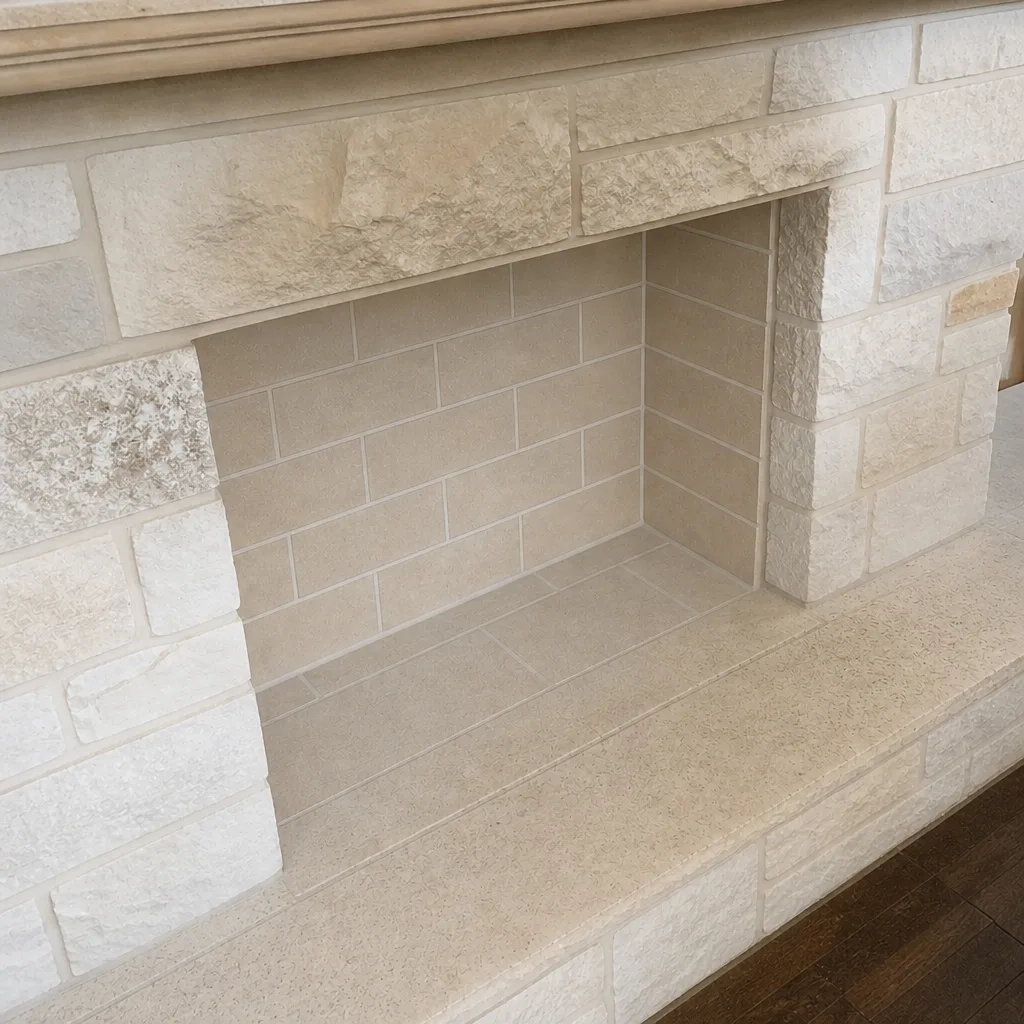
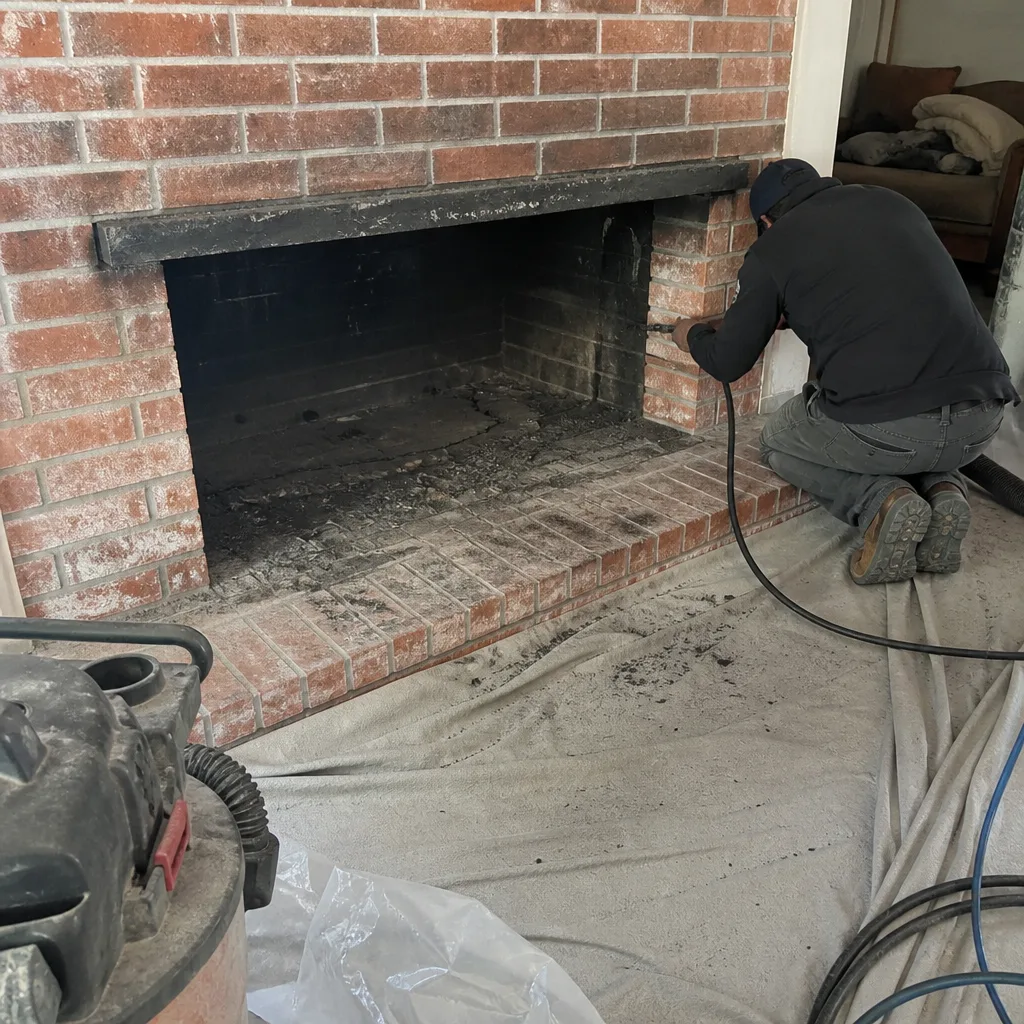
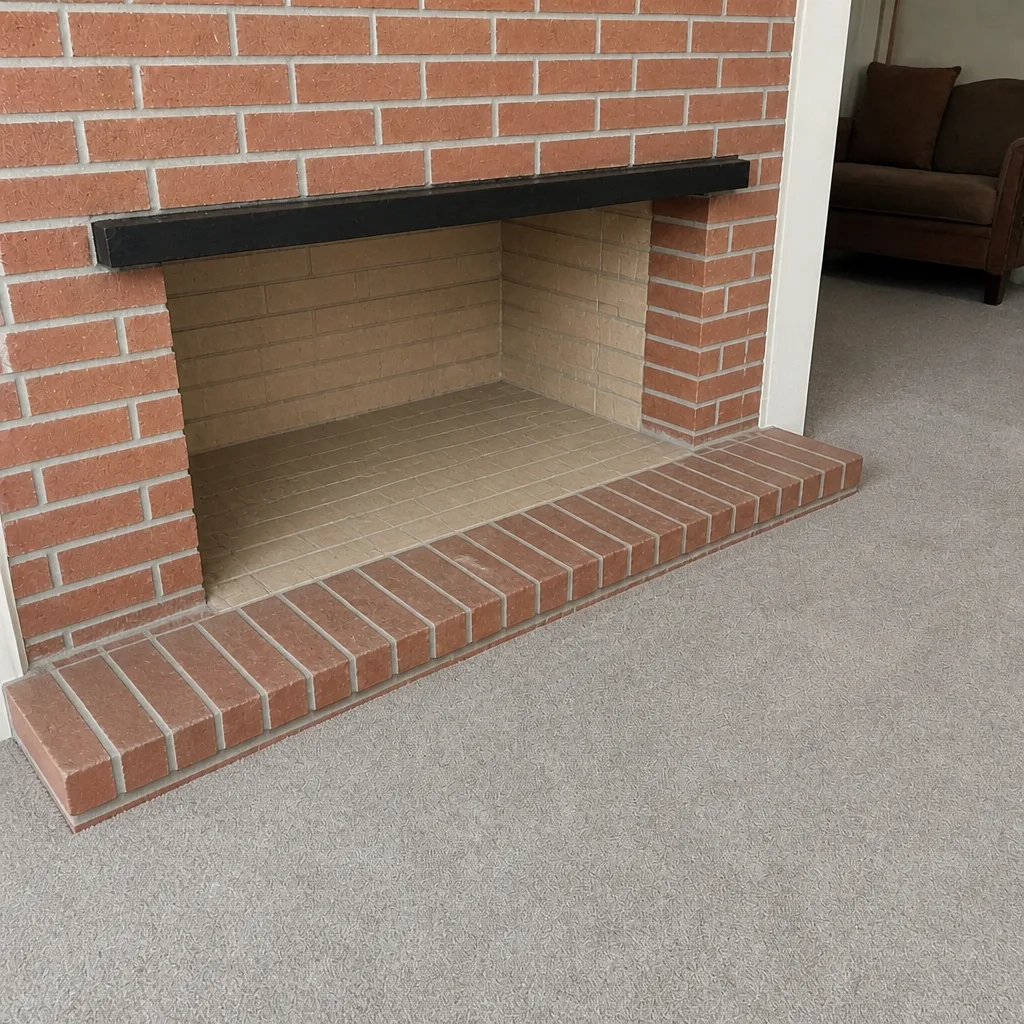
See the difference
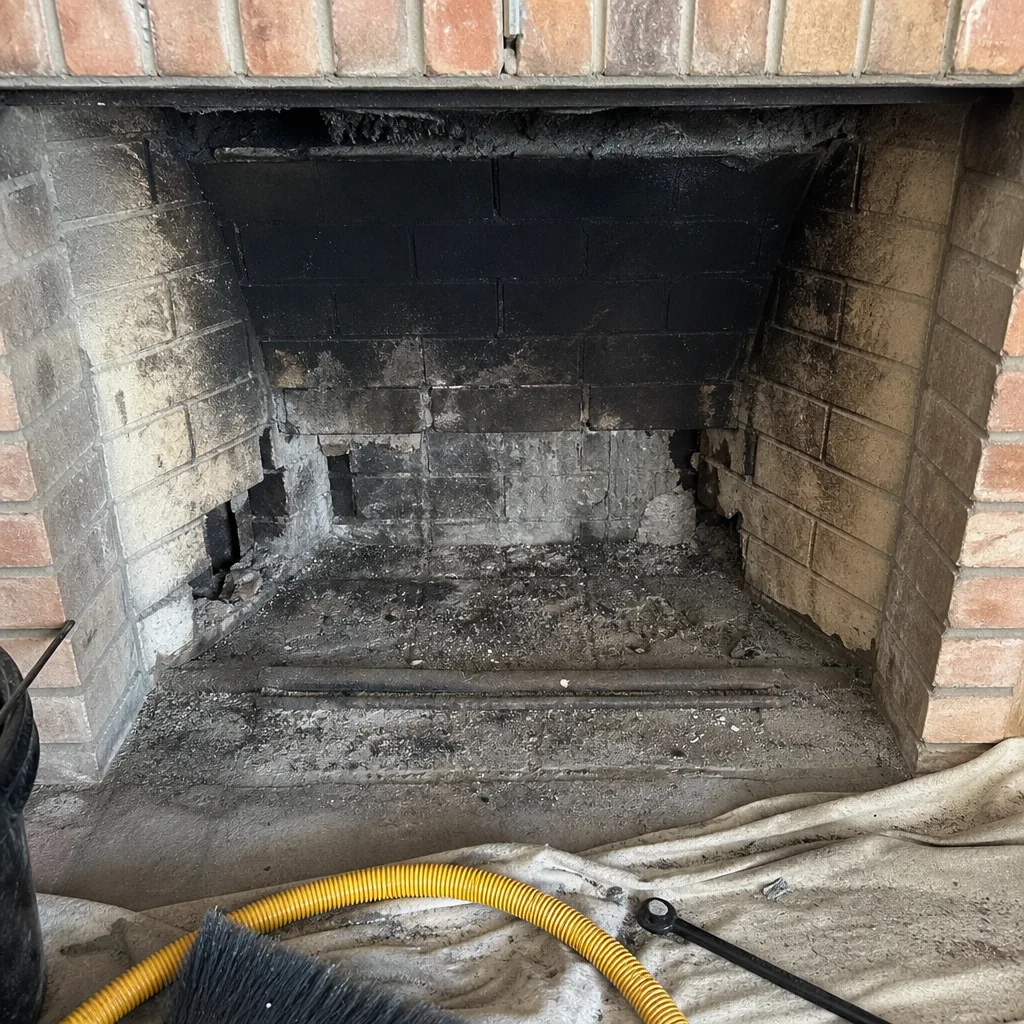 Before
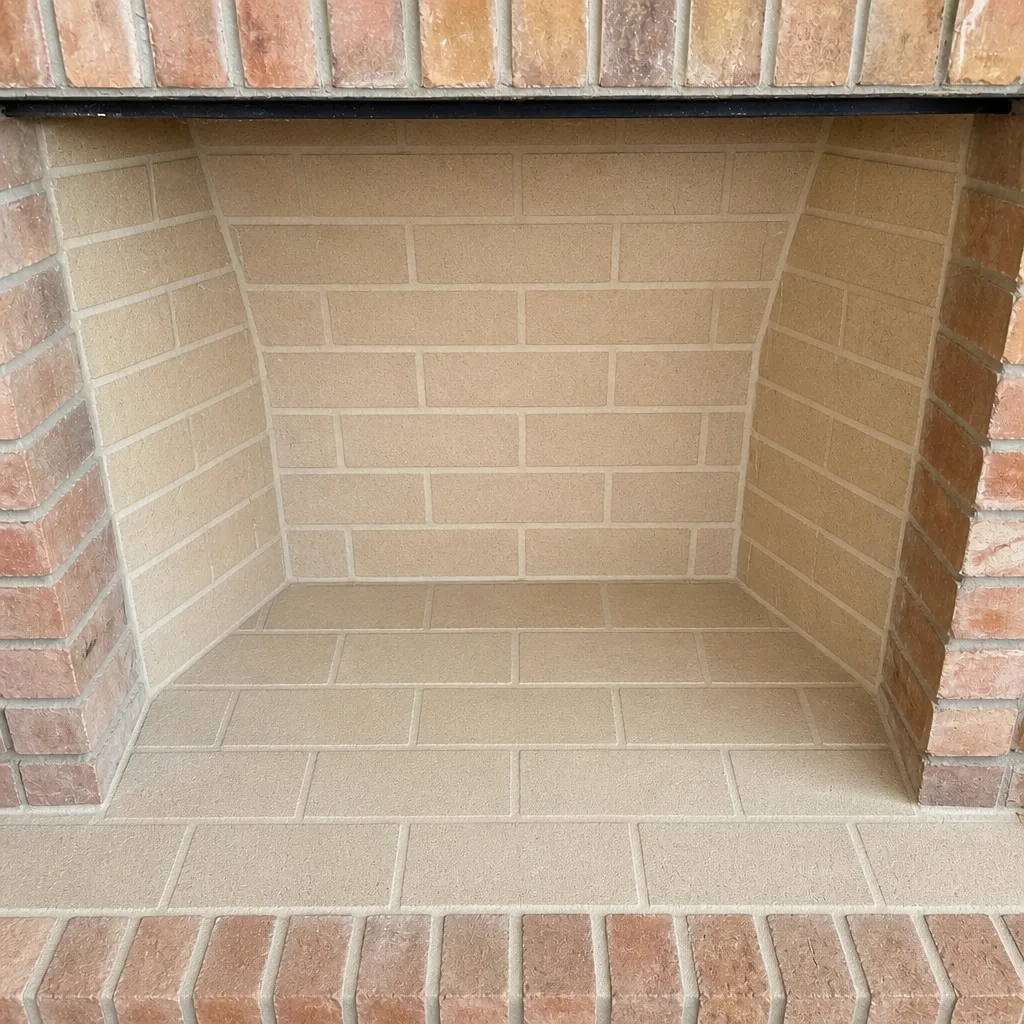 After
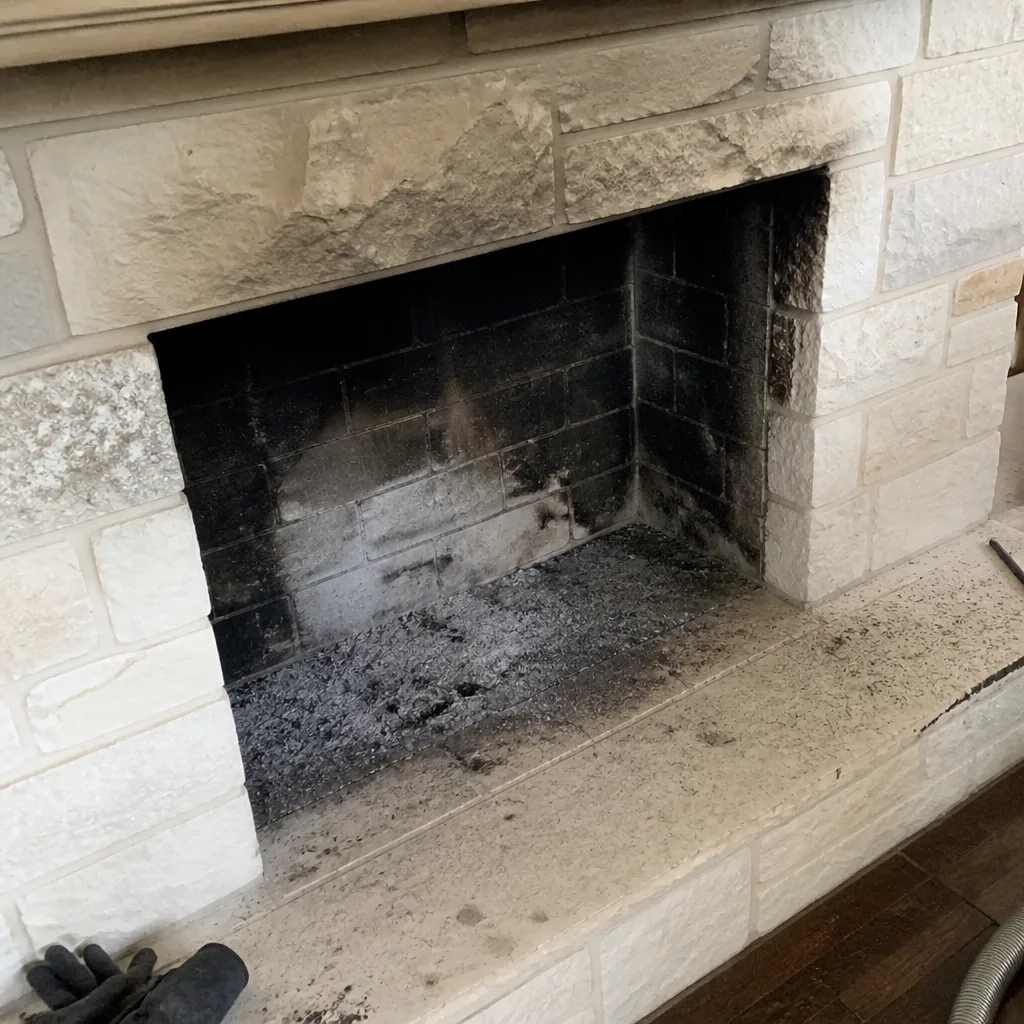 Before
 After
 Before
 After
Frequently Asked Questions
A standard sweep in Casa View generally runs in the low-to-mid hundreds of dollars, with the written estimate setting the final price based on your chimney’s size, condition, and whether inspection or repair is included. The estimate is free, so there’s no cost to find out what your specific system needs. Call (844) 947-2044 for an exact quote. Estimates are free.
Only if the camera inspection shows the existing liner is damaged, cracked, or improperly sized for the appliance. A liner isn’t a default upsell; it’s a repair with a documented reason. We won’t recommend relining without camera evidence you can see for yourself, and we’ll tell you plainly when the flue is sound and the liner can wait. Call (844) 947-2044 for an exact quote. Estimates are free.
The general guidance is to have the chimney inspected annually and swept when soot or creosote accumulation reaches about an eighth of an inch, which depends on how much you burn and what you burn. A home with light fireplace use still benefits from an annual inspection, since the crawl-through inspection catches issues the eye can’t. Call (844) 947-2044 for an exact quote. Estimates are free.
Skipping a sweep lets creosote accumulate in the flue where it can ignite, and it means small problems like a cracked crown or a loose cap go unnoticed until they become structural repairs. It also means nobody’s checking for carbon monoxide risk from a choked flue. Call (844) 947-2044 for an exact quote. Estimates are free.
Ask for the technician’s certification number and look it up on the CSIA’s public directory before you book. The number is verifiable in about two minutes. A certified sweep with a real credential will give it to you without hesitation. Call (844) 947-2044 for an exact quote. Estimates are free.
Any legitimate contractor should carry both general liability and workers’ comp, and should be able to provide a certificate of insurance in writing. If a sweep can’t produce one, you’re absorbing the risk. Ask before booking. Call (844) 947-2044 for an exact quote. Estimates are free.
Sometimes, and it depends on the scope. A sweep and inspection are one visit; a full reline or crown repair may need materials and a scheduled follow-up. The written estimate will tell you what’s involved and how the work is sequenced. Call (844) 947-2044 for an exact quote. Estimates are free.
The Bottom Line
The chimney service market in the Casa View area is crowded, and the difference between a specialist and a generalist isn’t visible from a search result. Vet on credentials you can verify, insurance you can see in writing, and materials named by brand. A contractor who holds CSIA certification, carries both policies, and specifies DuraFlex or HeatShield by name is telling you the truth before you’ve paid a dollar. A contractor who can’t name the liner system is telling you something too. Use the framework in this guide, ask the three questions, and compare scope rather than price. If you want a free estimate from a team that does the work under one roof, we’re here. Call (844) 947-2044. We answer 24/7. Fast dispatch from 7am to 7pm, Sunday through Friday. Explore Chimney Sweep Casa View for the full range of what we offer.
Written by the team at Chimney Sweep Casa View.