
Last updated November 25, 2026
 Sweep & inspection
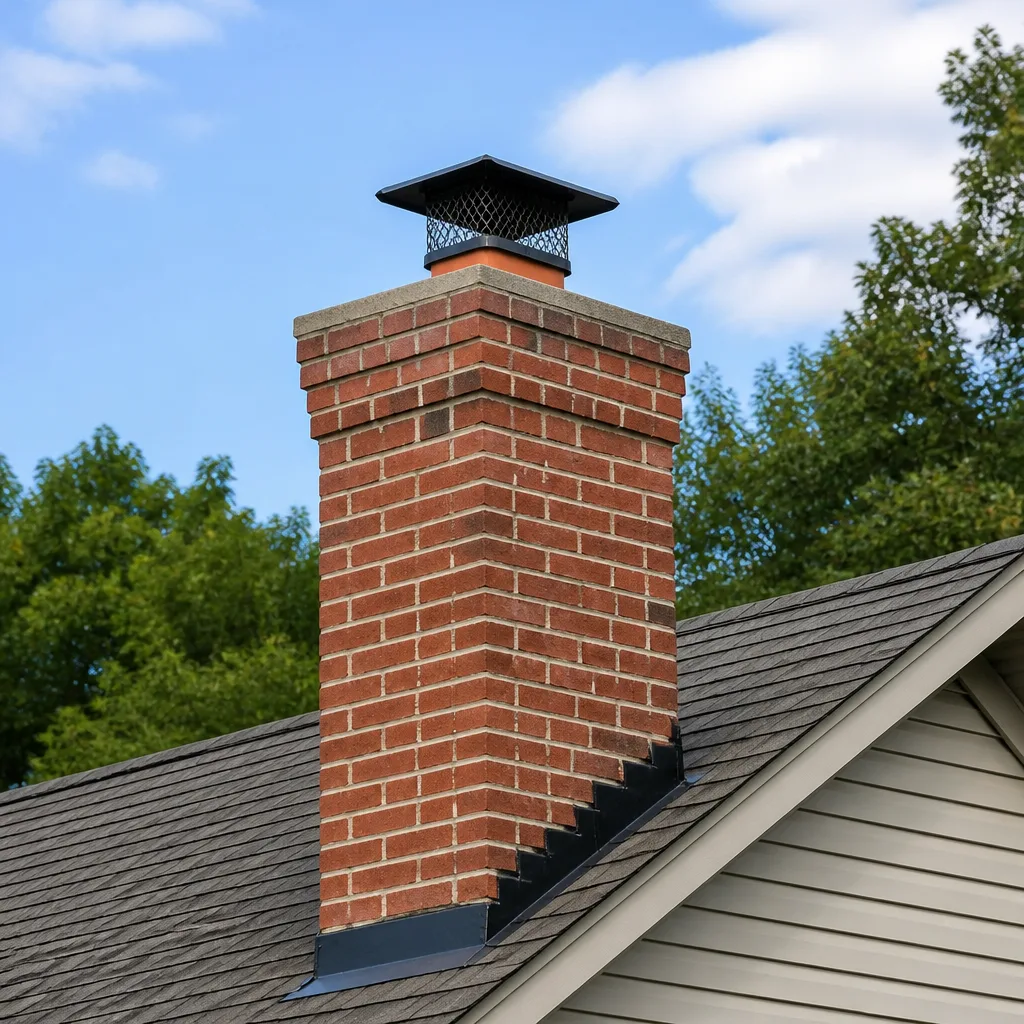
 Caps & crowns
 Flue relining
 Masonry repair
 Gas fireplace service
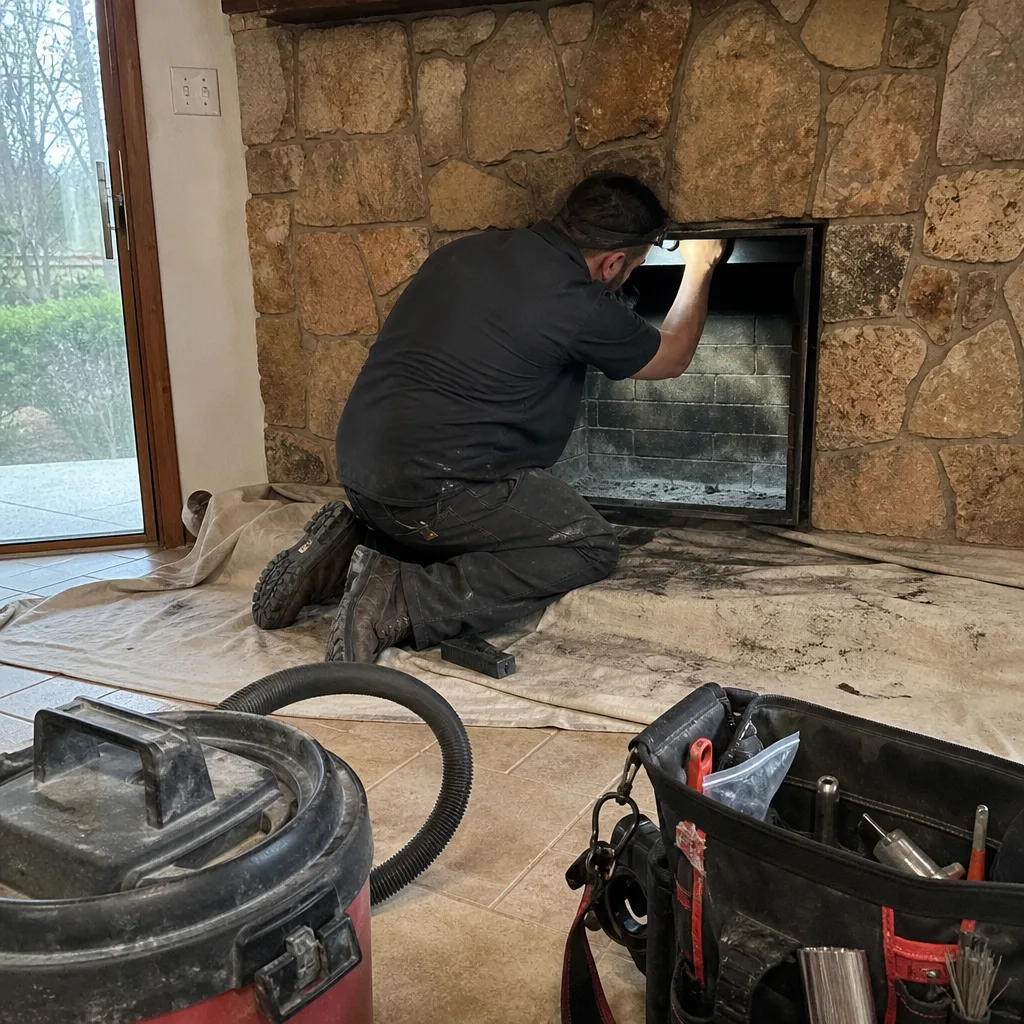
Level 1 sweep and inspection to the NFPA 211 annual standard - flue, crown, cap, and flashing checked and photographed
Chimney sweep logs do not sweep chimneys. They loosen some creosote - which then falls where a brush and vacuum still have to collect it.
Seasonal Chimney Cleaning Care for Casa View: Year-Round Homeowner’s Guide
Most chimney care guides were written for a place with four distinct seasons, and if you follow that calendar in Casa View you’ll be maintaining your chimney on the wrong schedule. The standard advice says sweep in early fall, then forget about it until next year. In North Texas, that rhythm misses the window when your chimney takes its worst damage, which is the long hot stretch when the fireplace sits idle and nobody looks up at the crown. By the time October arrives and you’re ready for that first fire, the problems worth catching started forming months earlier. This guide lays out a chimney calendar built around what actually happens to masonry in Casa View weather: what to check each season, why summer matters more than winter here, and how to stretch the life of a good liner instead of replacing a failed one.
Quick Answer
The right seasonal chimney care for Casa View runs on two threat windows, not four: a preparation sweep and inspection in October before burn season, and a post-storm inspection in spring when hail and high wind have had months to work on your cap, crown, and flashing. In between, summer is when heat and drought quietly crack crowns and open gaps, so a fall inspection is really catching damage that June through September caused. Sweep based on how much you burn, inspect at least once a year, and check the exterior after any severe storm.
Styles & brands we work with
- Sweep & inspection
- Caps & crowns
- Flue relining
- Masonry repair
- Gas fireplace service
Table of Contents
- The Casa View Chimney Calendar: Season by Season
- Why Summer Is the Most Damaging Season for Chimney Masonry Here
- Post-Storm Protocols: Cap, Crown, and Flashing
- Drought, Soil Movement, and Crown Cracking in Clay-Heavy Dallas Soil
- Extending the Life of Your Chimney Liner Through Seasonal Care
- How Often Do You Actually Need a Chimney Sweep?
- What a Proper Seasonal Inspection Includes
The Casa View Chimney Calendar: Season by Season
Chimney care in Casa View works best when you tie each task to a weather event rather than to a month on a generic chart. The goal is to have the flue clean and the exterior sound before you light the first fire, then to catch storm and heat damage before it compounds. Here’s how that breaks down.
Early fall (October, before burn season). This is your primary service window. Get the flue swept so last season’s creosote is gone, and get a Level II inspection that includes the exterior: cap, crown, flashing, and mortar joints. Anything the summer did to the masonry shows up now. Doing this in October means a repair can be scheduled before the holidays instead of the night before your first fire.
Winter (burn season). You’re using the fireplace, so this is monitoring, not maintenance. Watch for smoke rolling back into the room, a fire that’s harder to start than usual, or a damper that sticks. Keep an eye on how much you burn; heavy use shortens the interval between sweeps. If you burn often through the cool months, plan a mid-season sweep rather than waiting until the next fall.
Spring (post-storm inspection). North Texas spring brings hail and severe wind, and this is when your chimney’s exterior takes hits that aren’t obvious from the ground. A spring inspection catches a cracked cap, a loosened crown, or torn flashing while the fix is small. This is also the point to look at whether winter use left a heavy creosote load.
Summer (watch and protect). Your fireplace sits idle and the chimney bakes. This is the season that quietly does the most damage, which is why the fall inspection matters so much. You won’t be sweeping in summer, but you may be repairing a crown or resealing flashing the heat and drought opened up.
Notice what’s missing: there’s no “winterize before the freeze” step, because our winters are mild. The work that northern guides front-load into fall, we split between fall preparation and spring storm response. If you want a single habit that covers the calendar, make it this: book the chimney sweep and inspection in October, and walk the exterior after any big storm.
Why Summer Is the Most Damaging Season for Chimney Masonry Here
The season that hurts your chimney most in Casa View is the one when you’re not using it. That runs against the northern instinct that winter freeze is the enemy. Here, the enemy is prolonged heat and sun on a structure that’s designed to shed water but isn’t built for months of bake and dry.
Three things happen to masonry over a North Texas summer:
- Thermal expansion and contraction. The crown and upper masonry heat up through the day and cool at night. Repeated cycling stresses the seal between the crown and the flue, and small cracks open along the edges where water gets in later.
- Drying and shrinkage. Mortar and the crown mix lose moisture in sustained heat. Hairline cracks widen. A crown that looked fine in April can be noticeably checked by September.
- Dormancy hides problems. Because the fireplace isn’t running, nobody’s watching the flue for smoke backdraft or unusual smells. A crack or a loosened cap can sit unnoticed for months.
This is why a Casa View fall inspection is really a summer damage report. When a technician looks at your crown in October and finds cracking, the crack most likely opened in July and August, not during the previous winter. That matters for how you prioritize repairs: if you catch summer damage in the fall, you fix it before the next wet season drives water into the masonry. If you wait until spring, the crack has had a full rainy stretch to let water in, and what was a crown repair can turn into a bigger masonry job.
The practical takeaway is simple. Don’t treat fall as the start of chimney season and ignore the structure until then. Treat summer as the period when your chimney is most exposed, and treat the October inspection as the moment you find out what it cost you.
Post-Storm Protocols: Cap, Crown, and Flashing
After a hail event or a strong wind storm in Casa View, your chimney’s exterior is one of the first things to take damage and one of the last things anyone checks. Hail hits the cap and crown directly. Wind works on the flashing where the chimney meets the roof, and on any cap that’s not firmly anchored. A quick, structured walk-around after a storm catches most of it.
Here’s a sensible post-storm sequence:
- Look at the cap from the ground. Is it sitting level, or has wind shifted it? Is the mesh intact, or has hail punched holes? A cap that’s come loose or lost its screening lets water, birds, and debris into the flue.
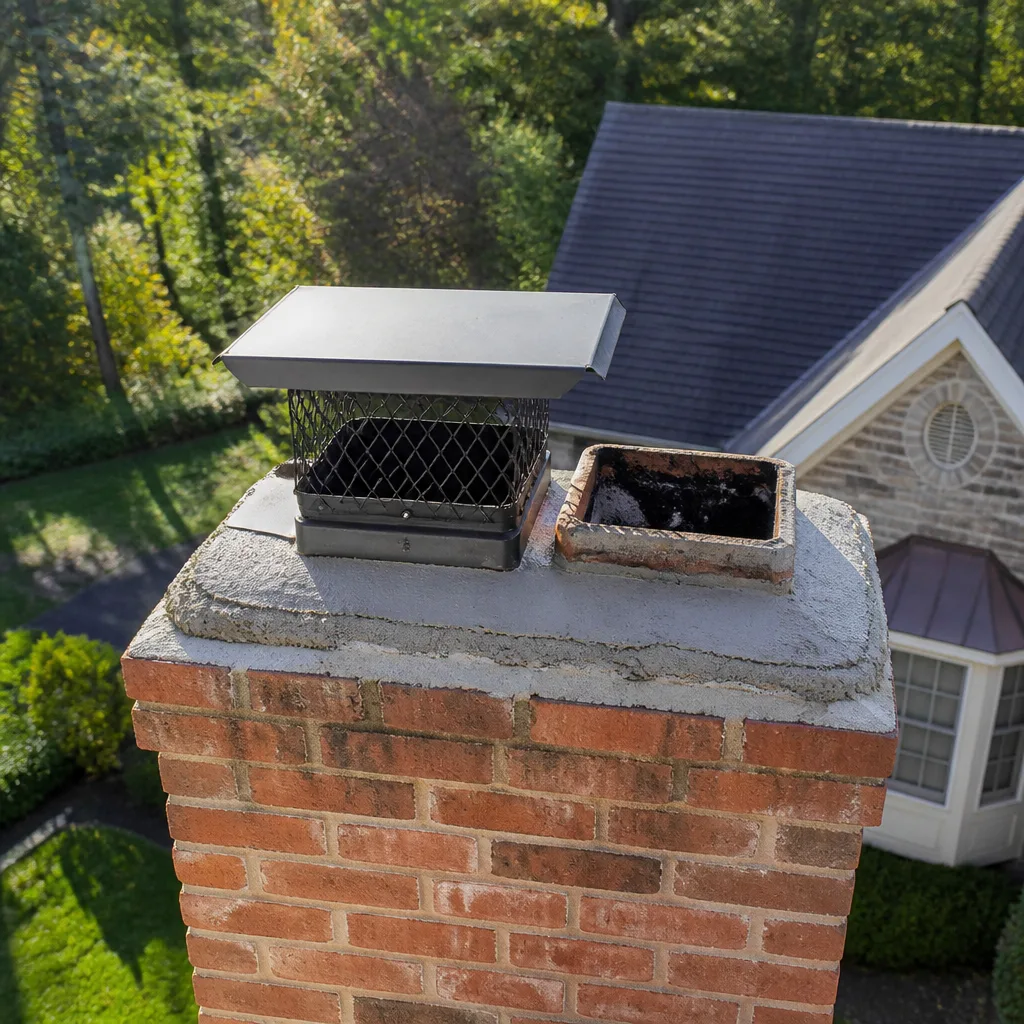
- Check the crown for new cracking. The crown is the concrete or masonry slab at the top. Fresh cracks, chipping at the edges, or pieces missing after a hail storm are a sign to get it looked at.
- Inspect the flashing line. That’s the metal where the chimney passes through the roof. Wind can lift or tear it. Look for gaps, curled edges, or staining on the roof deck nearby.
- Scan the masonry for spalling. Hail and driven rain can knock faces off brick and open mortar joints on the upper stack.
- Note any interior signs. Water stains on the ceiling near the chimney, a musty smell, or dampness around the firebox after a storm point to a leak that started at the top.
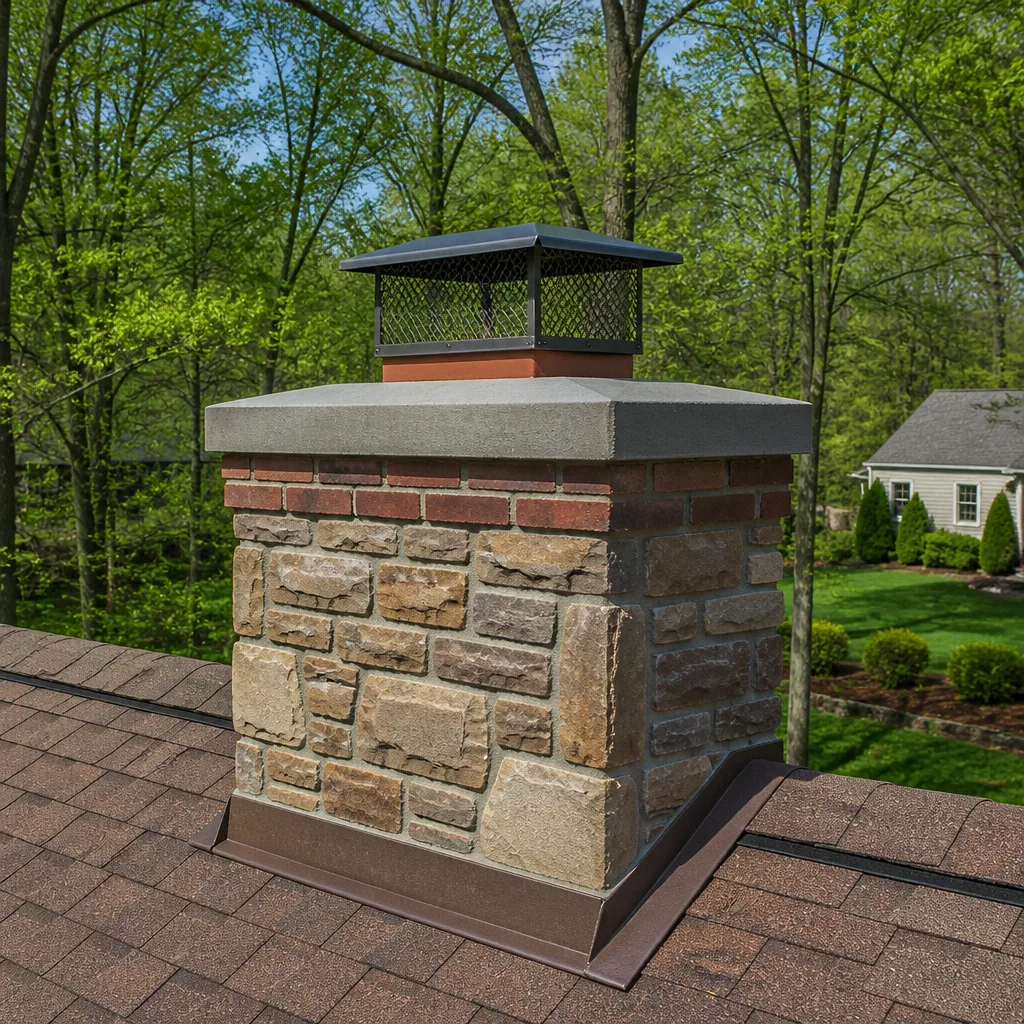
Not every post-storm issue is urgent. A slightly weathered crown that isn’t letting water in can wait for the next scheduled visit. A cap that’s come loose, or flashing that’s torn, should be handled before the next rain. This is where quality components matter: a proper chimney cap & crown built from commercial-grade stock, sourced from suppliers like Gelco or Famco, holds up far better to repeated hail than the thin sheet-metal caps sold at hardware stores. That difference isn’t cosmetic; it’s the difference between a cap that survives the season and one you’re replacing after every storm.
Drought, Soil Movement, and Crown Cracking in Clay-Heavy Dallas Soil
Here’s a piece of chimney care that most guides never touch, and it’s specific to this part of Texas: the soil under and around your house moves with the weather. The Dallas area sits on heavy clay, and clay does two very different things when it’s wet and when it’s dry. In a wet stretch it swells. In an extended dry spell it shrinks, and when it shrinks, the ground under and around your foundation shifts.
That movement travels up the structure. A chimney is a tall, relatively rigid masonry column, and it doesn’t flex the way the rest of the house does. When the ground beneath it settles unevenly during a drought, the chimney can tilt slightly or develop stress at the joints. The crown, being the topmost and most exposed piece of masonry, is often where that stress shows up first, as cracking.
What this means for your seasonal care:
- Drought years demand a closer look at the crown. If we’ve had a long dry stretch, your fall inspection should pay particular attention to cracking at the crown and to any separation where it meets the flue.
- Watch for a lean. A chimney that’s started to lean, even slightly, is a structural question, not a cleaning one. It’s worth flagging to a professional.
- Water management helps. Keeping water from pooling at the base of the chimney and making sure roof drainage runs away from the structure reduces how much the soil moves around it.
- Cracked crowns let water in. A drought-cracked crown is a channel for the next rain, so the crack that opens in August is the leak you find in the fall.
None of this means every Casa View chimney is settling. It means the soil here adds a reason to inspect the crown and the structure each year, rather than assuming a clean flue is the whole job. A crown that’s been resurfaced or rebuilt with the right materials handles this movement better than a thin original coat, which is one reason crown work is worth doing well the first time.
Extending the Life of Your Chimney Liner Through Seasonal Care
A chimney liner is the passage the smoke travels through, and replacing a failed one is one of the more significant chimney jobs a homeowner faces. The better approach is to get years more out of the liner you have instead of waiting for it to fail and replacing it under pressure. Seasonal care is how you do that.
The main threats to a liner are creosote buildup, moisture, and the physical stress of a flue that’s not protected at the top. Each has a seasonal fix:
Keep creosote from sitting. Creosote is the residue of burning, and it’s corrosive to a liner over time. Regular sweeping removes it before it does damage. A liner that’s swept on schedule lasts longer than one that’s cleaned only when the chimney starts smoking badly. Sweeping on a rhythm tied to how much you burn, not to a fixed annual date, is the single best thing you can do for liner life.
Keep water out of the flue. A missing or damaged cap is the most common way water gets into a liner. Water and the acidic residue of creosote together are hard on a flue. A properly fitted cap, sourced from a supplier like Olympia Chimney or Copperfield, keeps rain and animals out and is the cheapest liner protection there is.
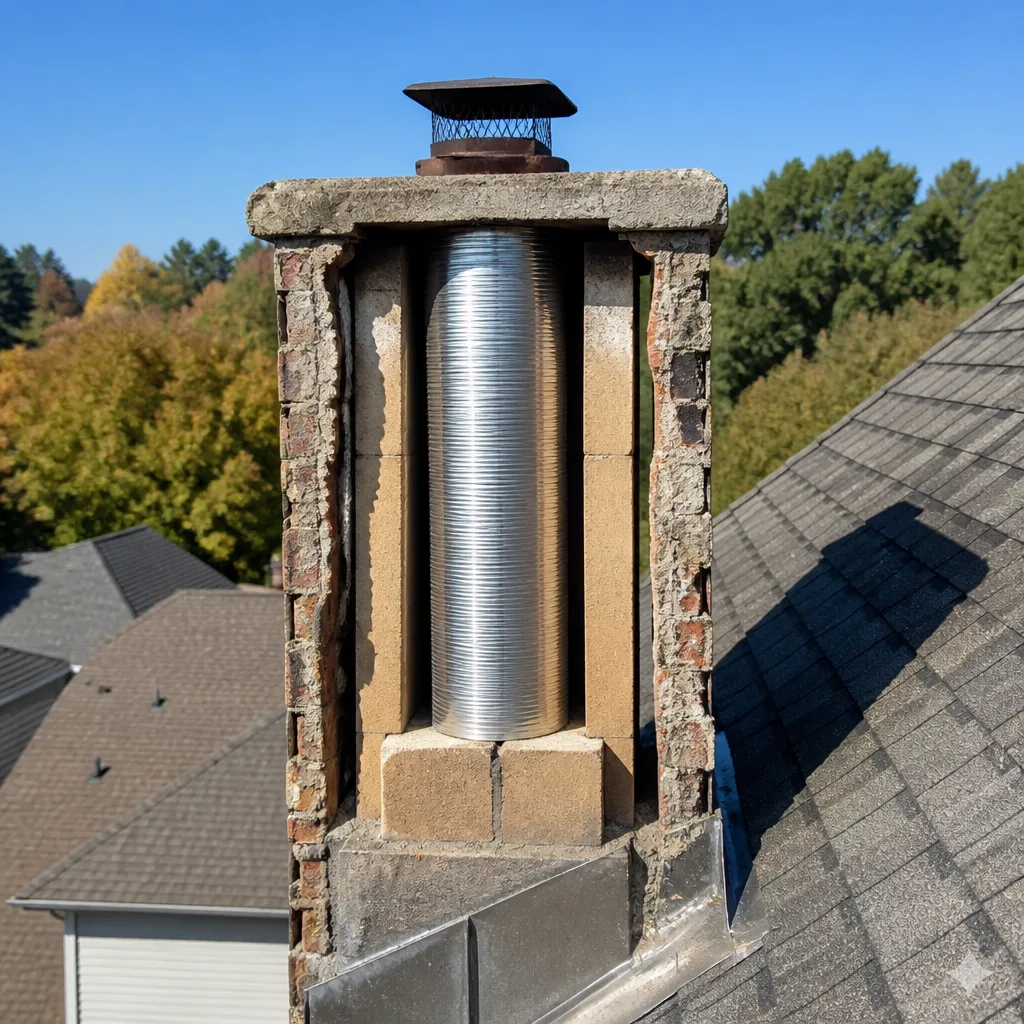
Get the flue assessed, not just cleaned. When a technician sweeps, they should also be looking at the condition of the liner itself. Small cracks or gaps in a clay tile liner, or wear in a metal liner, start as minor issues. Caught early, some liners can be repaired rather than replaced. HeatShield ceramic resurfacing, for example, lets a technician restore a damaged flue without tearing the chimney down, which is a far smaller job than a full reline. For liners that do need replacement, a DuraFlex flexible liner system can be installed without a full tear-down of the chimney. The point is that seasonal assessment gives you options; waiting until the liner fails takes most of them away.
The habit that matters most: don’t treat the liner as something you only think about when there’s a problem. Have it looked at every year, keep the cap intact, and sweep on schedule. A liner that’s maintained this way will outlast one that’s ignored.
How Often Do You Actually Need a Chimney Sweep?
The honest answer is that it depends on how much you burn, not on a fixed calendar. The old rule of thumb is an annual sweep for a fireplace in regular use, but that’s a starting point, not a law. A household that lights a fire a few times a season and a household that burns all winter have different needs, even on the same street in Casa View.
Use these signals to set your interval:
- Burn volume. The more you burn, the more often you sweep. Heavy winter use can call for more than one sweep a season.
- What you burn. Seasoned, dry wood produces less creosote than green or unseasoned wood, and less than a lot of paper and debris.
- What the flue looks like. A technician can tell you how much buildup there is after a sweep and recommend an interval based on what they find, which is more useful than a generic annual rule.
- Whether you’ve had a chimney fire. Any sign of a chimney fire, even a small one, means getting the flue inspected before you burn again.
For most Casa View households, the workable rhythm is a sweep and inspection in October before burn season, plus a re-check if you burn heavily through the winter. The annual inspection should happen regardless of how often you sweep, because the inspection is what catches the crown, cap, and liner problems that a sweep alone won’t.
The safety reason this matters: creosote is what burns in a chimney fire, and a heavily loaded flue is where one starts. A clean flue makes a chimney fire far less likely, and an annual inspection is what keeps the whole system, not just the flue, safe to use. If you’re not sure where your chimney stands, starting with an inspection tells you more than guessing from the fire’s behavior.
What a Proper Seasonal Inspection Includes
An inspection that’s just a quick look up the flue from the firebox isn’t the same as a proper assessment. A thorough seasonal inspection covers the whole system, inside and out, and gives you a clear picture of what needs attention now, what can wait, and what’s fine.
A complete inspection at the start of burn season should include:
- A look at the firebox and damper. Cracks in the firebox masonry and a damper that doesn’t open or seal properly are common issues.
- A flue assessment, with a camera where needed. A camera inspection shows the inside of the flue, so the condition of the liner is known rather than assumed. This is how small liner problems get caught before they become replacement jobs.
- A creosote check. How much buildup there is, and what stage, tells you whether to sweep and how often to sweep going forward.
- Exterior check of the cap, crown, and flashing. This is the part that catches storm and summer heat damage, and it’s the part most likely to be skipped.
- A look at the masonry and joints. Loose mortar, spalling brick, and any sign of movement in the structure.
You should come away from an inspection knowing exactly what was found, with photos where they help, and a clear explanation of what’s urgent, what’s optional, and what can safely wait until next season. We work that way on purpose: the visit is a diagnosis, not a sales pitch, and you get the evidence to see it the same way we do. If you’ve had a home inspection flag a chimney issue and you want a second set of eyes from a specialist, that’s exactly the kind of visit this is meant to be.
Common Mistakes to Avoid
- Following a northern four-season calendar. Sweeping in September and forgetting the chimney until next fall skips the spring storm inspection that catches hail and wind damage. In Casa View, spring matters as much as fall.
- Ignoring the exterior because the fireplace works fine. A clean-burning fire tells you nothing about a cracked crown or loose flashing. The interior flue and the exterior masonry are two different maintenance jobs.
- Waiting for smoke problems before calling anyone. By the time a chimney smokes back or a fire is hard to start, the flue has usually been building up or leaking for a while. Seasonal inspection catches issues earlier.
- Buying a hardware-store cap to save a few dollars. Thin sheet-metal caps don’t survive repeated North Texas hail the way a commercial-grade cap from a supplier like Famco does. A cheap cap is a temporary fix, not protection.
- Replacing a liner when it could be resurfaced. Not every damaged flue needs a full replacement. A ceramic resurfacing option like HeatShield can restore a flue without a tear-down, which is a smaller job with less disruption.
- Treating the brick as maintenance-free. Clay soil movement and long dry spells both stress the masonry. Checking the crown and joints each fall catches the changes while they’re small.
- Hiring a sweep who doesn’t inspect. A sweep-and-go visit cleans the flue and leaves. You want a visit that assesses the whole system and explains what it found, so you’re not the one guessing what condition your chimney is in.
See the difference
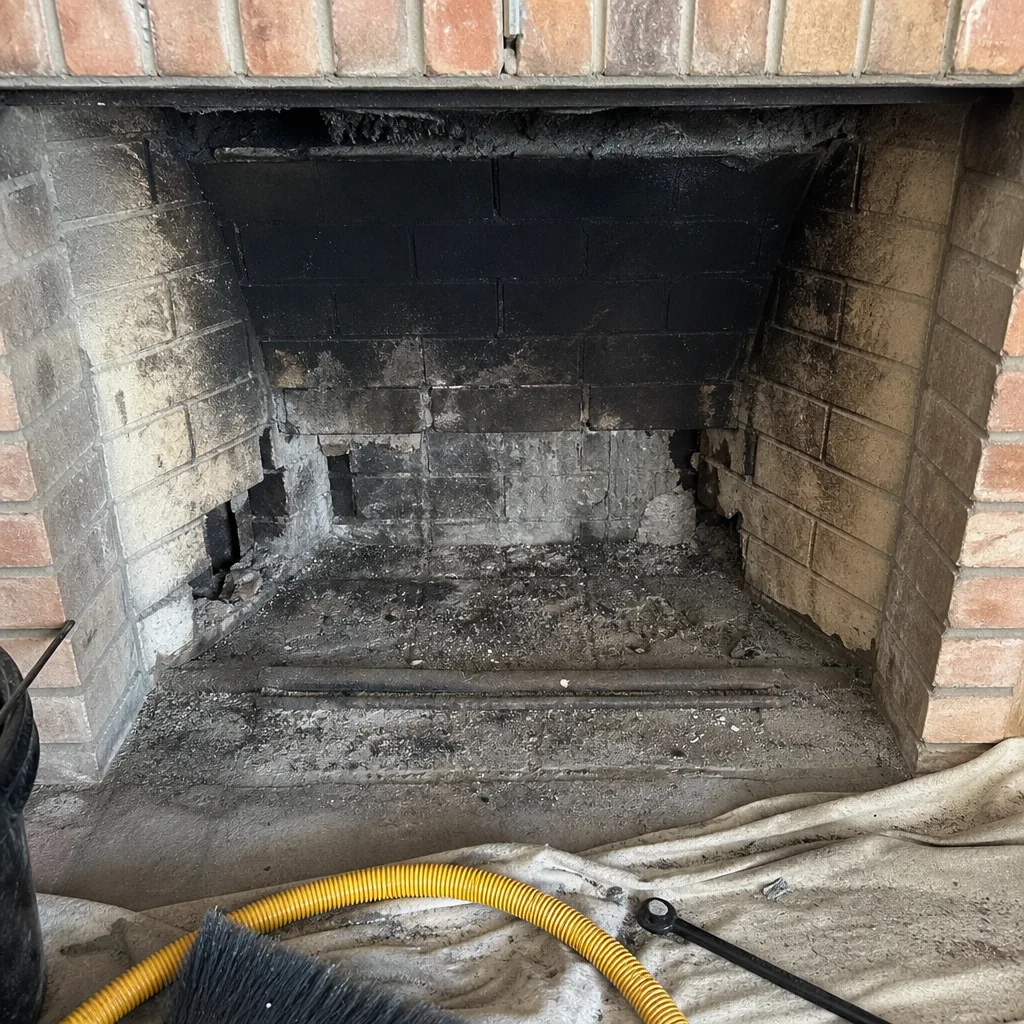 Before
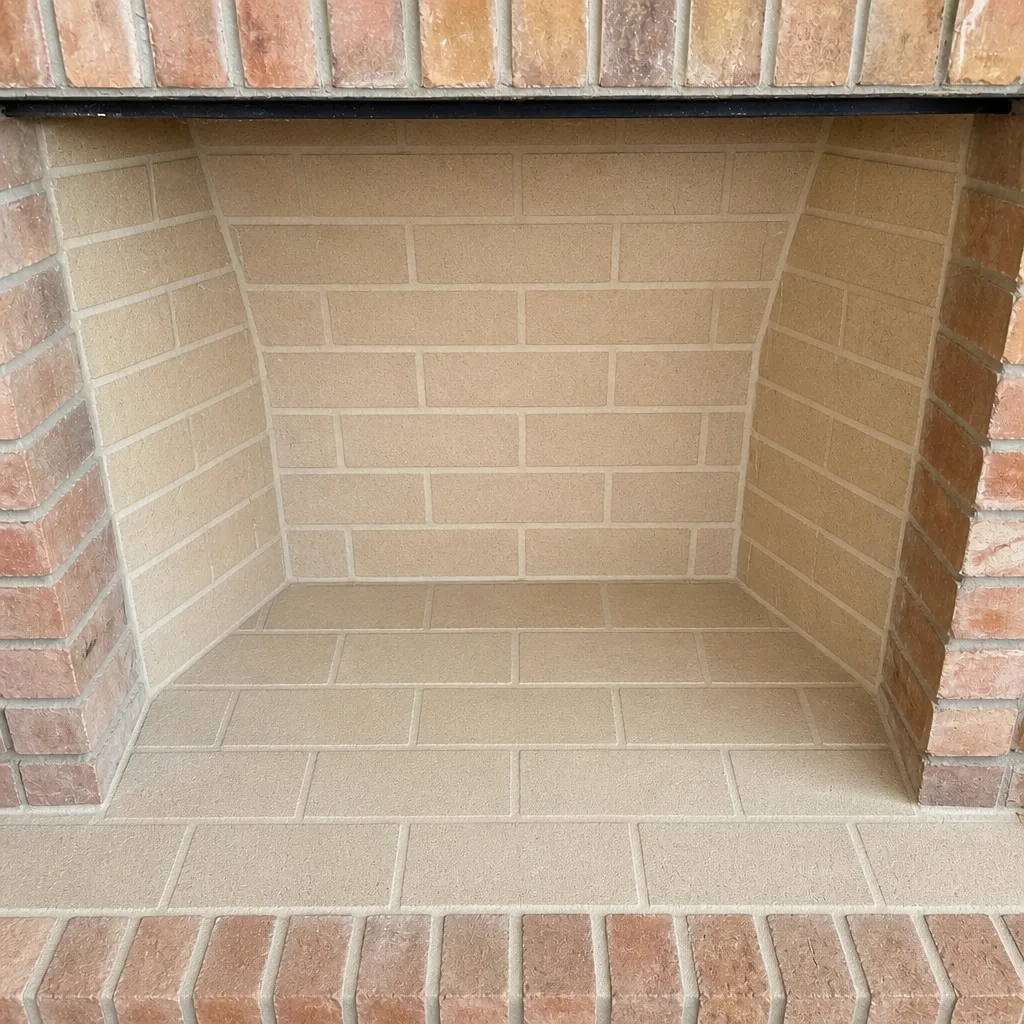 After
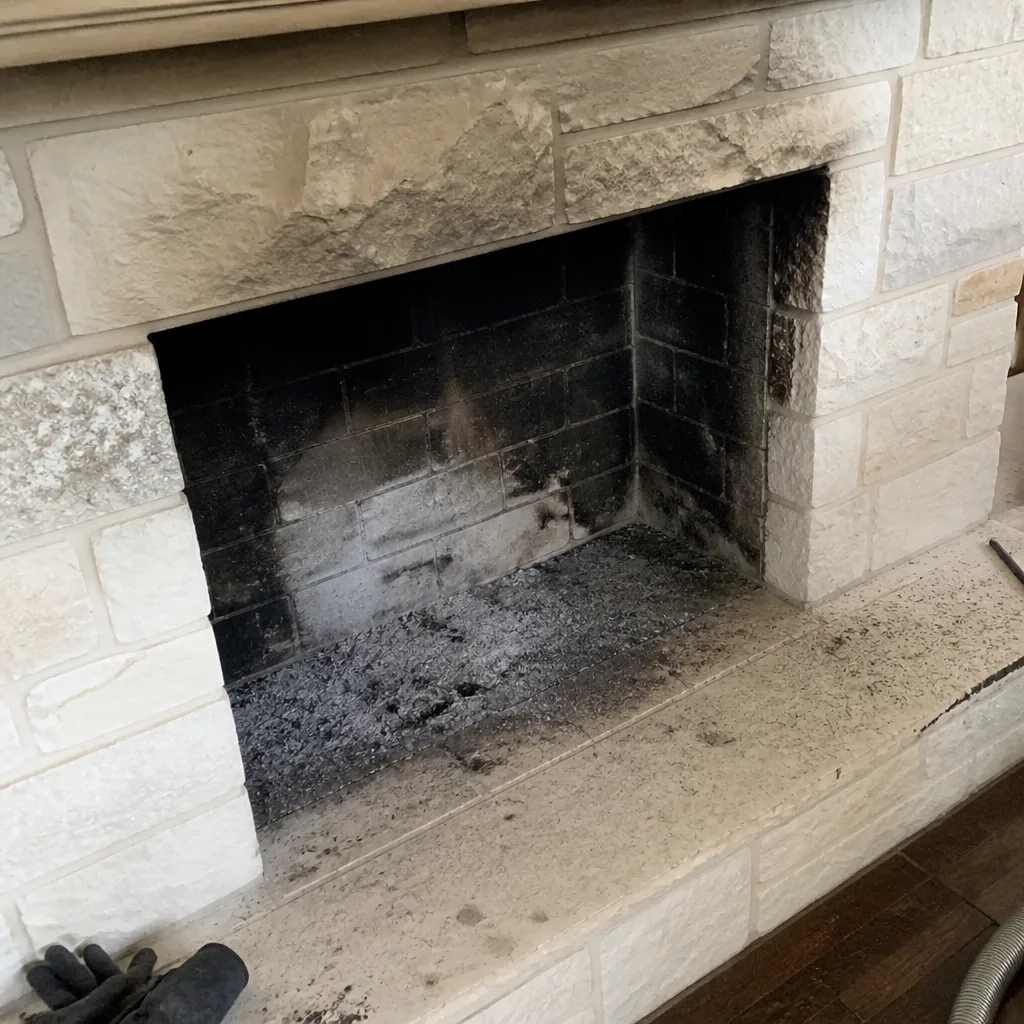 Before
 After
 Before
 After
When to Call a Professional
Some chimney tasks are seasonal maintenance you can plan for, and some are reasons to call right away. Get a professional involved if you’ve had a chimney fire or a strong storm, if you see a cracked or missing crown, a loose cap, or torn flashing, or if you notice water in the firebox or staining near the chimney. Call if the chimney leans, if masonry is spalling, or if a home inspection has flagged an issue you don’t understand yet. And call for the routine seasonal inspection at the start of burn season, so you go into it knowing the flue is clean and the exterior is sound. Chimney Sweep Casa View offers free estimates in Casa View – call (844) 947-2044. We answer 24/7.
Our technicians have up to 14 years of experience with residential chimney systems, from inspections and sweeping to crowns, caps, liners, and fireplace repair. One team handles the diagnosis and the repair, so you’re not managing the handoffs between a sweep and a mason.
Frequently Asked Questions
The best time is October, before burn season starts. A fall sweep clears last season’s creosote and an inspection catches the summer heat and drought damage to the crown and masonry. Call (844) 947-2044 for an exact quote – estimates are free.
Sustained heat and drought stress the crown and masonry through repeated expansion and shrinkage, and the idle fireplace means nobody’s watching the flue. Over a North Texas summer, small cracks open in the crown and the seal around the flue, which lets water in during the next wet stretch. The October inspection is really finding what summer did.
Check the cap for looseness or holes, the crown for fresh cracks or chipping, and the flashing where the chimney meets the roof for gaps or tearing. Also look for interior signs like ceiling stains or a musty smell. A cap or flashing problem should be fixed before the next rain; a weathered crown can often wait for a scheduled visit.
Sweep based on how much you burn, not a fixed date. An annual sweep is the usual starting point for a fireplace in regular use, and heavy winter burning can call for more. The annual inspection should happen regardless. Call (844) 947-2044 for an exact quote – estimates are free.
Not every damaged flue needs a full liner replacement. A camera inspection tells you the condition of the liner, and some damage can be restored with ceramic resurfacing instead of a full reline. That’s a smaller, less invasive job. Call (844) 947-2044 for an exact quote – estimates are free.
Skipped maintenance lets creosote build up, which raises the risk of a chimney fire, and lets crown and flashing damage go unnoticed until water is already in the masonry. A crack that could have been a small repair can turn into a bigger masonry job. Call (844) 947-2044 for an exact quote – estimates are free.
The Bottom Line
Chimney care in Casa View follows the local climate, not a northern template. Your two real windows are October, before burn season, and spring, after hail and wind have tested your exterior. Summer is the quiet season that does the most damage to crowns and masonry, which is why the fall inspection matters so much. Keep the flue swept on a rhythm tied to how much you burn, keep a quality cap on top, and get the liner assessed every year so you repair it early instead of replacing it late. Do that, and your chimney stays sound through the seasons this climate actually delivers.
Call (844) 947-2044 for a free estimate. We answer 24/7. Fast dispatch from 7am to 7pm, Sunday through Friday.
Ready to get your chimney on a schedule that fits Casa View? The team at Chimney Sweep Casa View handles inspection, sweeping, caps and crowns, liners, and fireplace repair, using the same professional-grade materials masonry contractors specify. One team, start to finish, with a diagnosis you can see for yourself and a written estimate that sets the final price.
Written by the team at Chimney Sweep Casa View.