
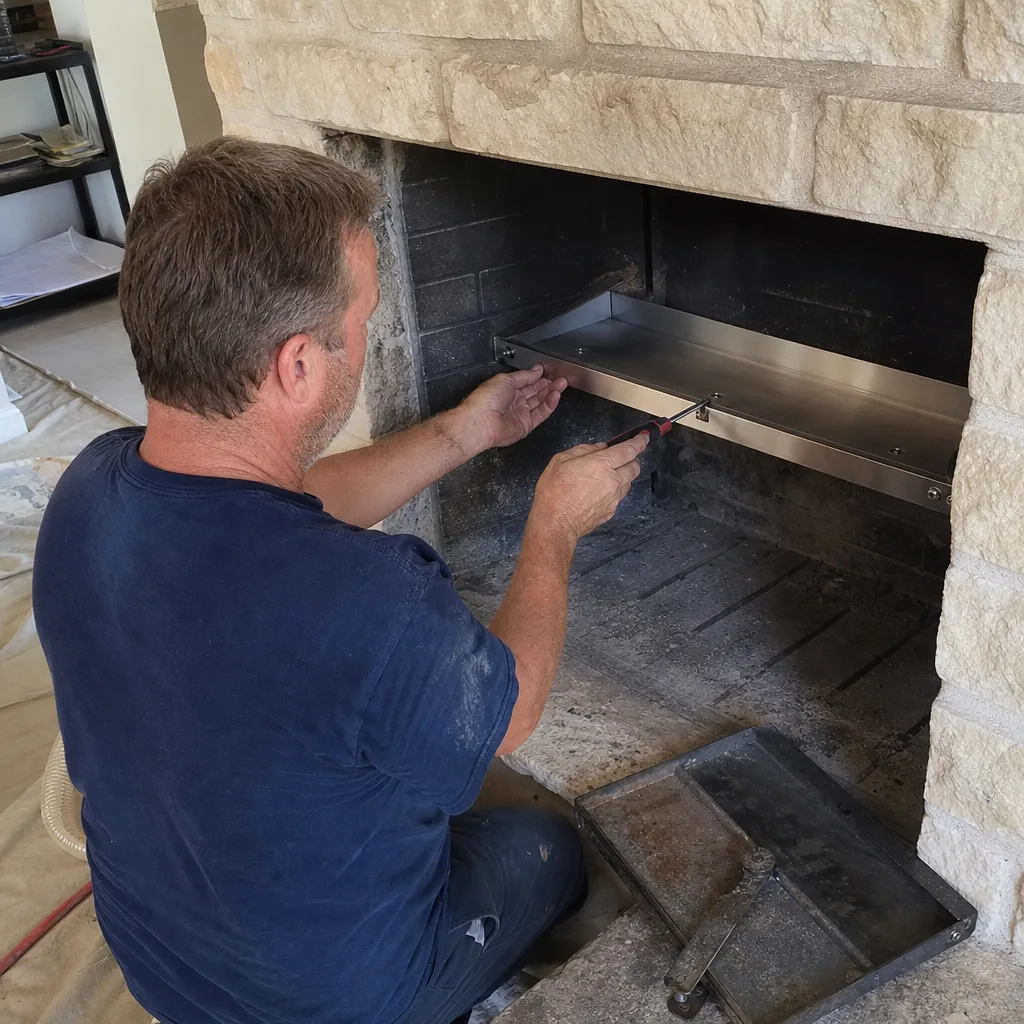
Last updated November 25, 2026
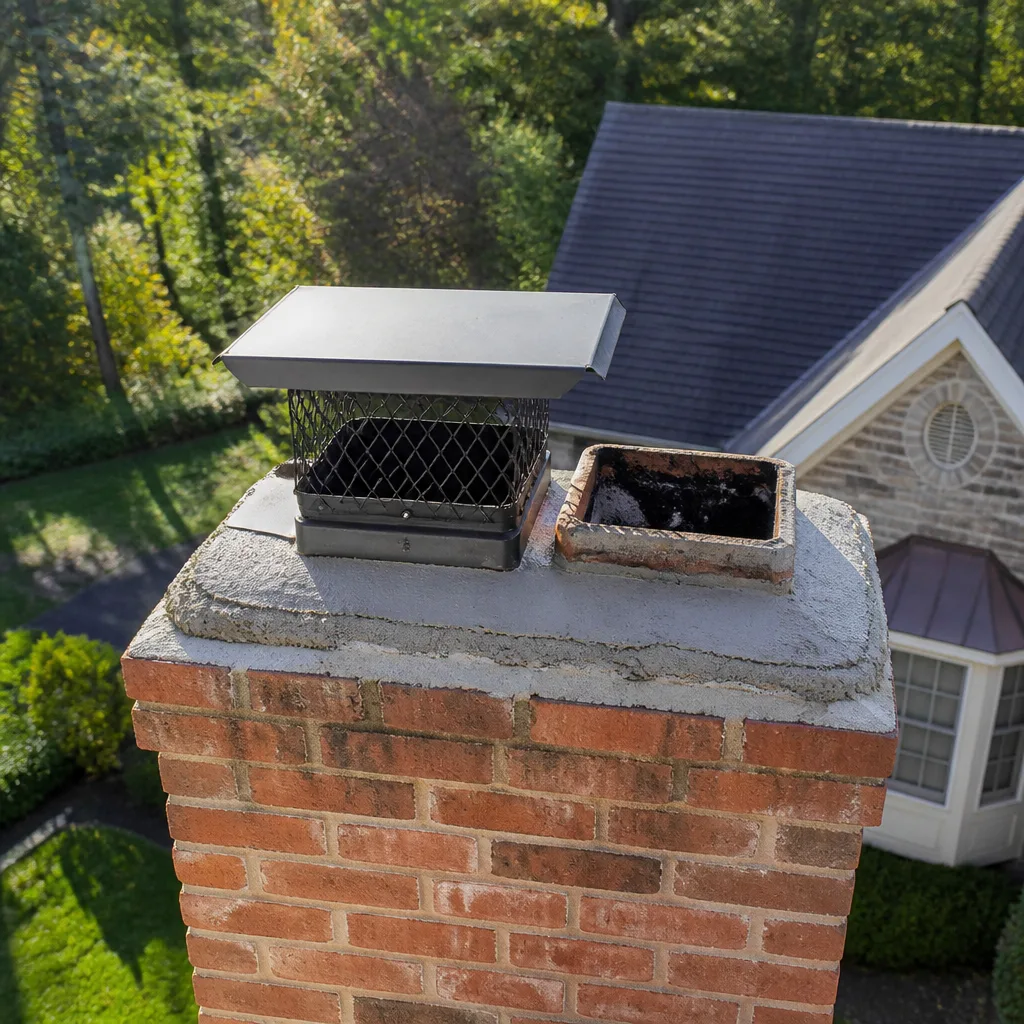 Sweep & inspection
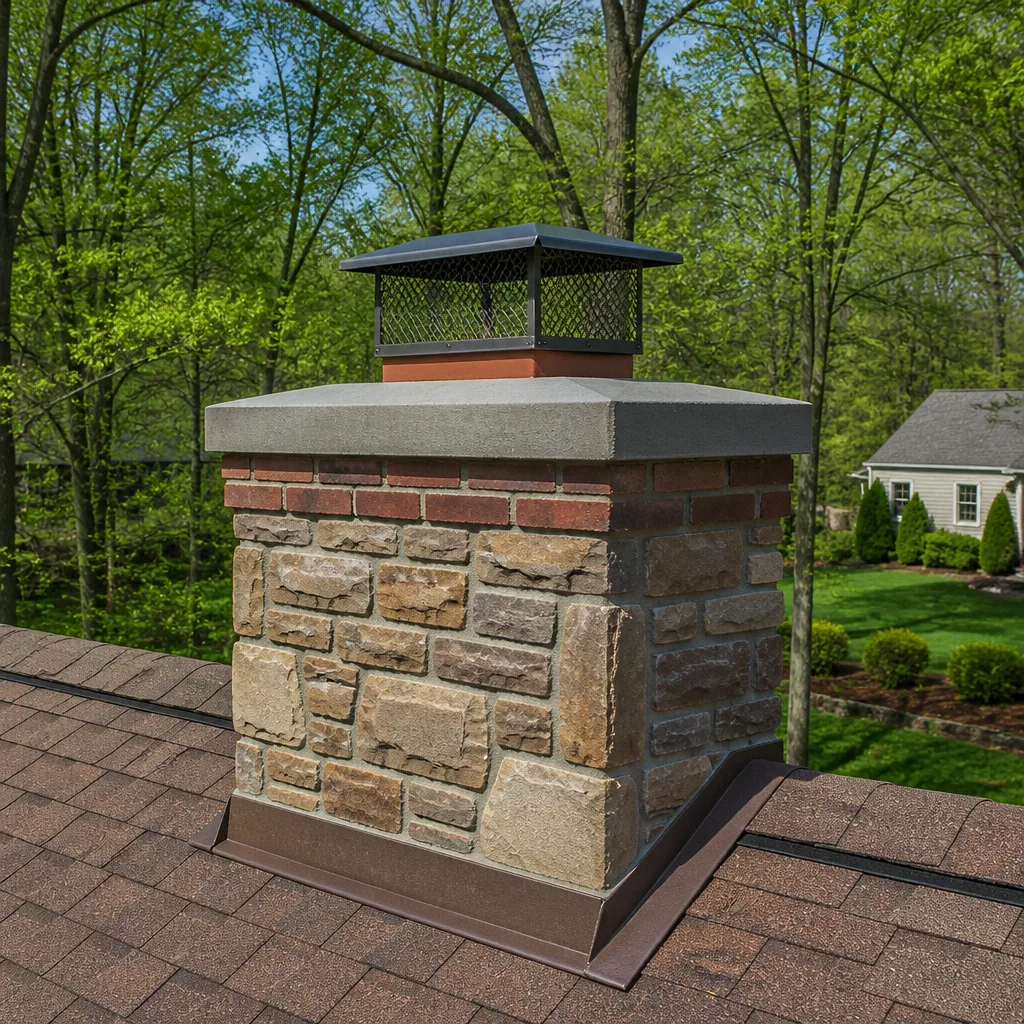 Caps & crowns
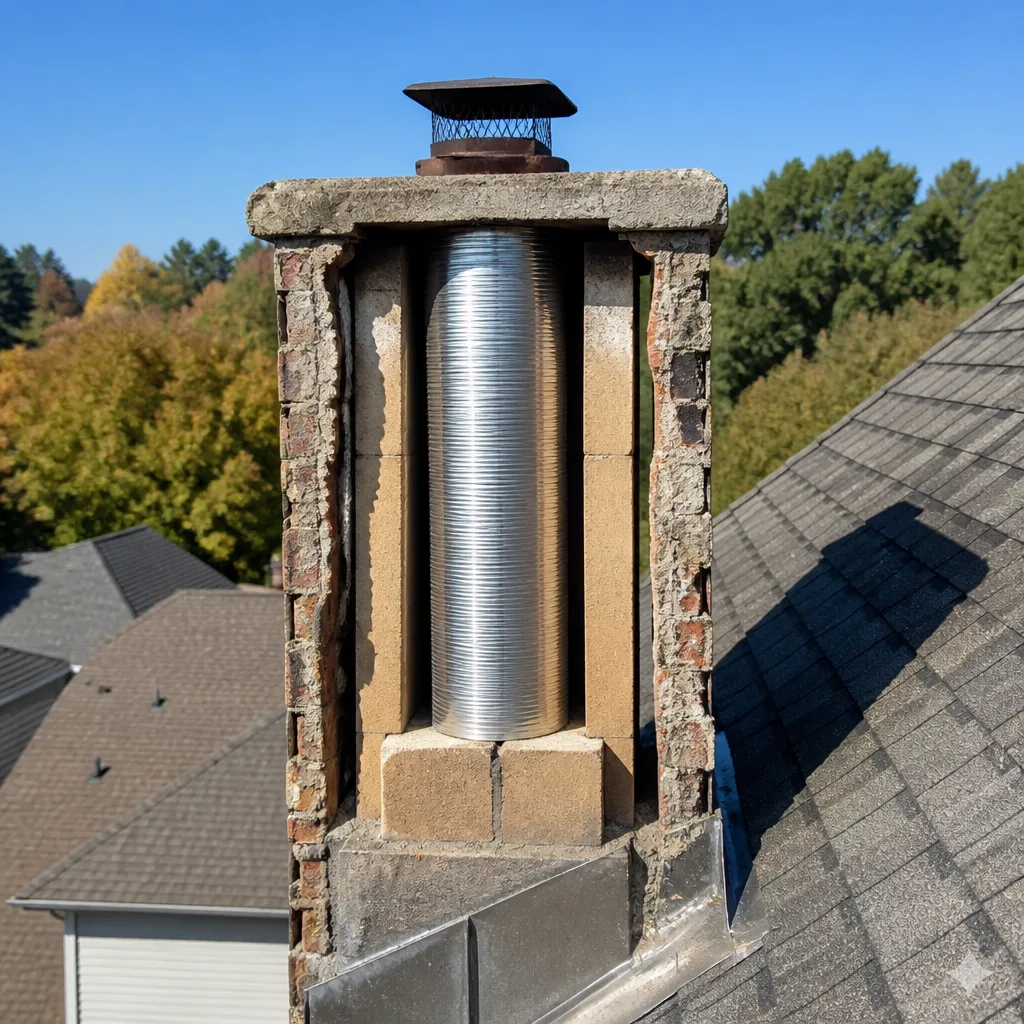 Flue relining
 Masonry repair
 Gas fireplace service
Level 1 sweep and inspection to the NFPA 211 annual standard - flue, crown, cap, and flashing checked and photographed
Chimney sweep logs do not sweep chimneys. They loosen some creosote - which then falls where a brush and vacuum still have to collect it.
Chimney Cleaning Emergency Preparedness Guide for Casa View Homes
Most Casa View homeowners have smoke detectors, a fire extinguisher somewhere in the kitchen, and a rough idea of what they’d do if a grease fire flared up. Almost none of them have a plan for the ninety seconds after they hear a deep roaring sound coming from the fireplace. That gap matters, because a chimney fire can reach temperatures above 2,000°F, hot enough to crack flue tiles and ignite the framing that sits inches from the flue. The good news is that the conditions that cause chimney fires and carbon monoxide problems build up slowly, over months of ordinary burning. This guide covers both kinds of chimney emergencies in Casa View: the fast and violent ones, and the quiet ones that develop out of sight. You’ll get specific response steps, the cues that separate a real chimney fire from normal fireplace noise, and the pre-season work that makes an emergency far less likely in the first place.
Quick Answer
If you suspect a chimney fire, get everyone out of the house, call 911, and don’t use water inside the firebox. Most chimney emergencies in Casa View are preventable with an annual inspection and sweep that removes creosote before it can ignite. Slow-developing hazards like carbon monoxide infiltration or a failing flue liner are caught during that same inspection, often before a homeowner notices anything wrong.
Styles & brands we work with
- Sweep & inspection
- Caps & crowns
- Flue relining
- Masonry repair
- Gas fireplace service
Table of Contents
- The Two-Minute Chimney Fire Response Protocol
- How to Tell a Chimney Fire from Normal Fireplace Sounds
- Carbon Monoxide and Chimney System Failures
- Post-Storm Inspection Triggers in Casa View
- Pre-Season Preparation That Prevents Emergencies
- When an Emergency Is Over and What Comes Next
- Common Mistakes to Avoid
- Frequently Asked Questions
The Two-Minute Chimney Fire Response Protocol
Chimney fires move faster than most people expect. The creosote that fuels them can ignite suddenly and spread up the flue in seconds. What you do in the first two minutes either limits the damage or lets it get ahead of you. Here’s the order that matters, and it’s worth reading this section out loud with everyone in the house so nobody has to figure it out under pressure.
- Get everyone out of the house, then call 911. Do this before you investigate. A chimney fire that has spread into the framing is a house fire, and you won’t know from the living room whether it has. Treat the possibility as real until a professional tells you otherwise.
- Don’t throw water into the firebox. Water on a creosote fire inside a hot flue can produce a steam explosion and can crack the flue tiles. The fire department has the right tools for this; you don’t.
- Close the glass doors or damper if you can do it safely on the way out. Starving the fire of oxygen slows it, but only if this takes a second. Never stay inside to work the controls.
- Once outside, check the chimney top from a distance. Look for thick smoke, sparks, or flames coming from the crown. This observation helps the fire department and later helps your chimney professional understand what happened.
- Don’t re-enter for possessions. Nothing inside is worth the risk.
- After the fire department clears the house, do not light another fire until a professional inspects the chimney. This is the step homeowners skip most often, and it’s the one that matters for what happens next.
We’ve seen the aftermath of chimney fires where the firebox looked fine and the flue was cracked in three places. A trained eye with a camera inside the flue is the only way to know the system still holds. In Casa View, where plenty of homes have fireplaces that have been used hard for years, that inspection often turns up problems that were developing long before any smoke showed.
How to Tell a Chimney Fire from Normal Fireplace Sounds
A fireplace makes noise. Wood pops, the damper rattles, hot metal ticks as it expands. Knowing the difference between ordinary sounds and the ones that signal a chimney fire is what lets you respond in seconds instead of debating whether something is wrong. Here are the specific cues.
Sounds that mean get out and call 911
- A deep, low roar that sounds like a freight train or a distant jet, coming from inside the flue rather than the firebox.
- Repeated loud popping or cracking, louder and more insistent than normal wood popping, often described as sounding like rapid gunfire.
- A rumbling that continues even after the fire in the firebox has died down.
Visual cues from inside and outside
- Thick, dark smoke rolling back into the room, or smoke that doesn’t clear after the damper is open.
- Sparks or flames visible at the top of the chimney from outside.
- A sudden glow or visible heat distortion through the stovepipe or flue connection.
- Creosote flakes or pieces of liner debris appearing in the firebox or on the roof.
One distinction matters here. Some chimney fires are slow-burning and quiet, with none of the dramatic audio, and they can smolder for a while before anyone notices. That’s why the inspection and sweep matter more than any response plan: they find the creosote before it gets hot enough to burn. In our experience, the homeowners who call us after a chimney fire usually tell us the same thing, that they heard something they couldn’t quite place and waited to be sure. If you’re unsure, get out and call 911. Being wrong costs you a fire department visit. Being wrong the other way costs much more.
Carbon Monoxide and Chimney System Failures
Carbon monoxide is the quieter chimney hazard in Casa View, and it deserves its own section because the conditions that cause it are different from the ones that cause chimney fires. Carbon monoxide gets into a home when the chimney system stops drawing properly. A blocked flue, a cracked liner, a disconnected flue pipe, a damaged crown that lets water and debris in, or a chimney that was never sized correctly for the appliance all create the same problem: exhaust has nowhere to go but back into the house.
Why CO detectors don’t always catch it early
CO detectors are life-saving devices and every home with a combustion appliance should have them. But they are not early-warning instruments for chimney problems. A detector sounds when carbon monoxide has already built up to a level it’s designed to catch. Slow, low-level infiltration, or a chimney that leaks only under certain wind or temperature conditions, can go on for a long stretch without tripping the alarm. That’s why detectors are the backup, not the plan.
Conditions that raise the risk
- A flue liner with cracks or gaps, which lets exhaust escape into the chimney’s interior spaces instead of out the top.
- Debris in the flue: leaves, bird nests, or fallen masonry that narrows or blocks the passage.
- A negative-pressure situation in the house, where exhaust fans pull flue gases backward.
- A chimney that has settled or separated from the house, opening a gap between the flue and the framing.
What to do if a CO detector sounds: get everyone outside, call 911 and the gas utility, and don’t re-enter until they clear it. Once the house is safe, have the entire chimney system inspected. Repairing a failed liner sometimes means relining the flue, and for many flues that’s done with a DuraFlex flexible liner system or resurfaced with HeatShield rather than a full tear-down. The point is that the diagnosis comes first, with a camera, and the repair follows from what the camera shows.
Post-Storm Inspection Triggers in Casa View
The DFW area sees severe weather with some regularity, including the spring hailstorms and high-wind events that push through Casa View. Chimneys are heavy masonry structures sitting on the roof, and they take the brunt of wind, hail, and falling limbs. A few specific things should prompt a professional check before the next fire.
Call for an inspection if any of these happened
- Hail large enough to dent gutters or mark the roof.
- High winds that toppled trees, tore shingles, or sent visible debris across the yard.
- A lightning strike nearby, even one that didn’t obviously hit the house.
- Visible damage to the chimney itself: cracked or missing caps, a crown that looks chipped, missing brick, mortar that’s coming away, or a chimney that looks slightly tilted against the roofline.
- Water staining on the ceiling near the chimney or on the chimney’s exterior, which points to a failed cap or crown.
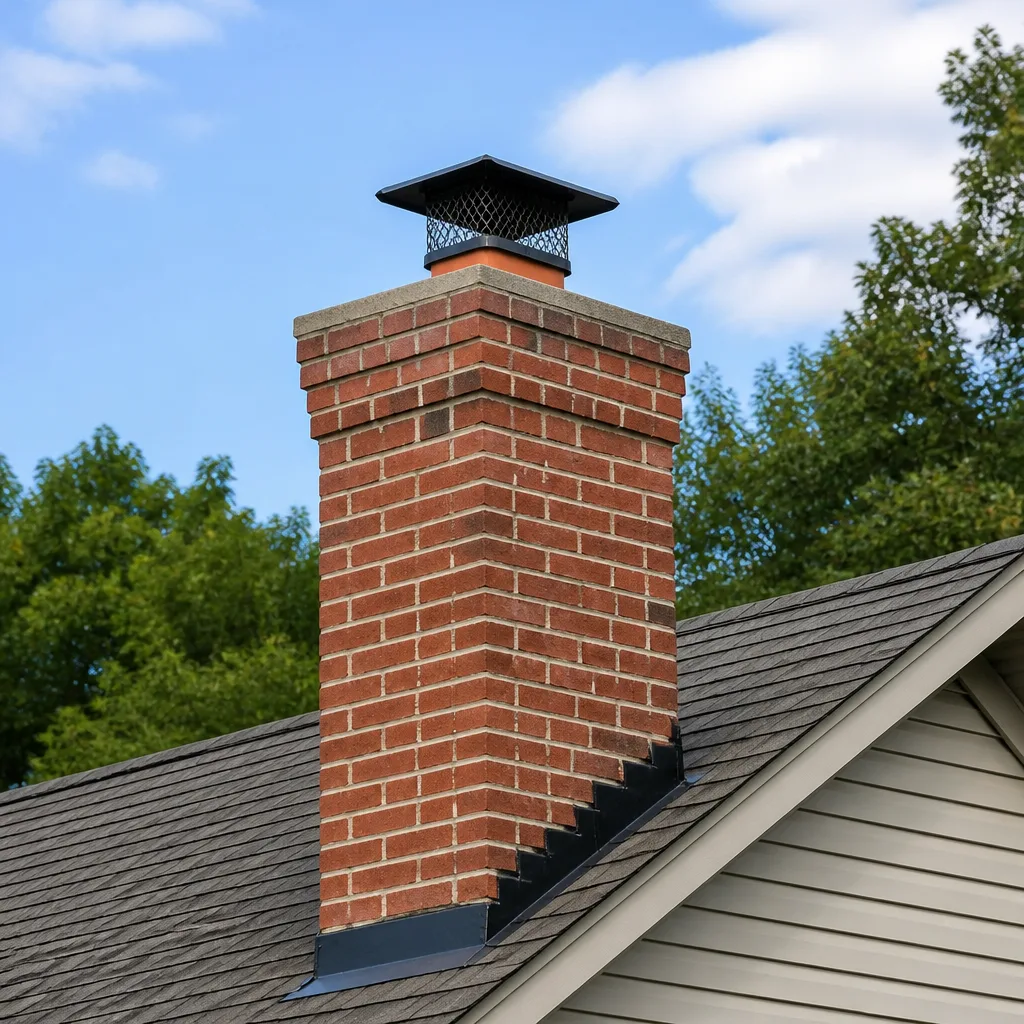
Chimney caps and crowns are where storm damage shows first, and they’re also the components that protect the flue from water. The caps and crowns we install come from Gelco and Famco, and they’re the commercial-quality kind rather than the thin sheet-metal caps sold at hardware stores. A damaged cap lets water straight into the flue, which over time breaks down the liner and the mortar around it. Catching that in a post-storm check is far cheaper than discovering it after a winter of burning. If your chimney is a candidate for repair, the chimney cap & crown work is often the first thing on the list.
Pre-Season Preparation That Prevents Emergencies
The best chimney emergency is the one that never happens. The conditions behind most chimney fires and CO problems build up gradually, which means there’s a window each year to find and fix them before the fireplace gets used. For most Casa View households, that window is in the weeks before the first cool evening when the fireplace gets lit. Here’s what the preparation actually consists of, in the order it makes sense to do it.
- Get a professional inspection at the start of the season. A thorough inspection looks at the firebox, the flue from top to bottom with a camera, the damper, the cap and crown, and the exterior of the chimney. If you’ve moved into a Casa View home and don’t know the chimney’s history, start with a full inspection rather than a sweep.
- Sweep the flue to remove creosote. Creosote is the unburned residue of wood smoke, and it’s what actually fuels chimney fires. The amount that builds up depends on how much you burn and how you burn it. chimney sweep work removes it before it reaches the thickness that supports a fire.
- Repair any liner damage the inspection turns up. A cracked or deteriorating liner lets heat reach the framing and lets exhaust escape into the house. Relining is a specific, camera-diagnosed job, not a guess.
- Secure the cap and crown. A properly fitting cap keeps water, birds, and debris out of the flue. A sound crown sheds water away from the masonry. Both should be checked every season and after every major storm.
- Check the firebox and damper. Cracks in the firebox, a damper that doesn’t seal, or a cracked lintel are all things a homeowner can’t diagnose reliably from below. They turn up during the inspection.
- Test CO detectors and smoke detectors. Fresh batteries, working units, one on each level of the home. This is basic, but it’s the last line of defense if something does go wrong.
One more piece of preparation that’s specific to Casa View: learn your chimney’s draw on a normal evening before the season starts. A fire that smokes back into the room on a mild night, or one that doesn’t draw well after a period of not being used, is telling you something that’s better addressed before the heating season than after. The fireplace repair side of the work covers the firebox, damper, and drafting issues that show up this way.
When an Emergency Is Over and What Comes Next
After a chimney fire or a carbon monoxide incident, the emergency ends and a second phase begins. This phase is about understanding what happened, whether the chimney is safe to use again, and what needs repairing before the next fire. It’s the part that homeowners find hardest to navigate, because the evidence sits inside the flue where you can’t see it.
What the post-incident inspection covers
- A camera run through the full length of the flue, from the firebox to the top, looking for cracks, gaps, spalling, and areas where the liner has broken down.
- A check of the chimney’s exterior, the crown, and the flashing at the roofline for signs of heat damage or structural separation.
- An assessment of the firebox, damper, and smoke chamber, which often show the most visible signs of a fire.
Here’s what you should expect from the process: you see the photos and the camera footage yourself, and the recommendations are based on what they show, not on what the technician happened to have in the truck. That matters, because the most expensive chimney worry for homeowners is being told they need thousands of dollars of liner or masonry work with no way to check. A reputable company will show you the evidence and tell you plainly if some of the work can wait. Some of it can. A minor crown crack, for instance, is often a next-season repair; a compromised liner is not.
If the flue turns out to need relining, the repair often happens without a full chimney tear-down. Flexible lining systems and ceramic resurfacing handle most of these cases, and they’re done with the same materials masonry contractors and restoration specialists specify. That approach is the reason our technicians have up to 14 years of experience doing this kind of repair specifically.
See the difference
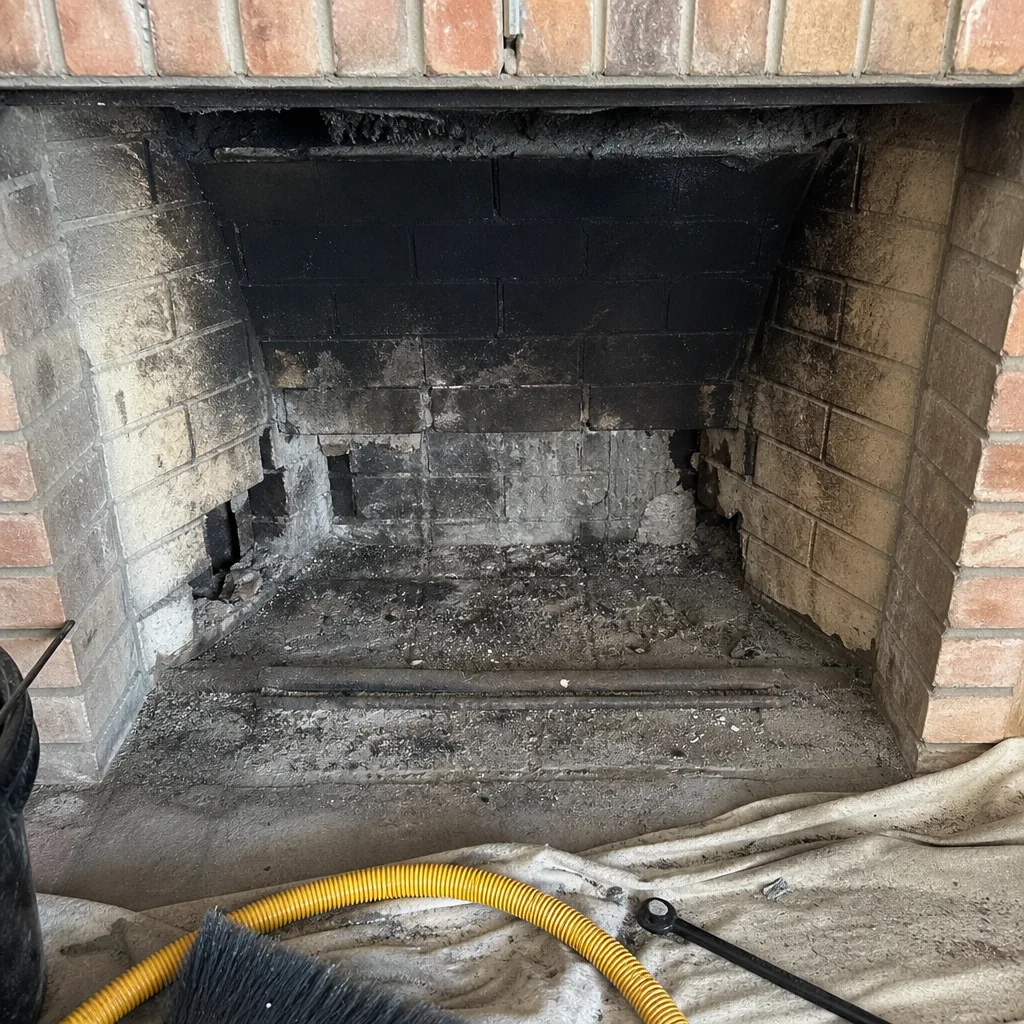 Before
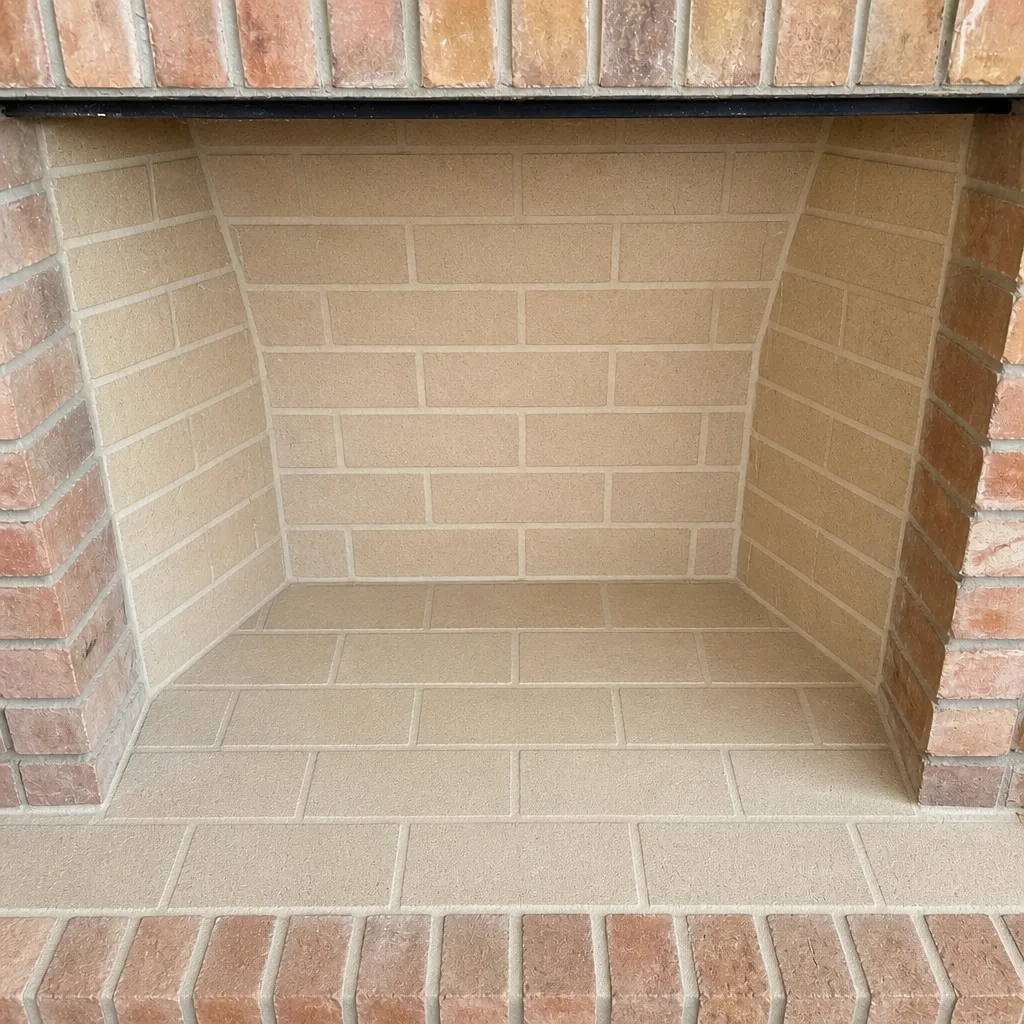 After
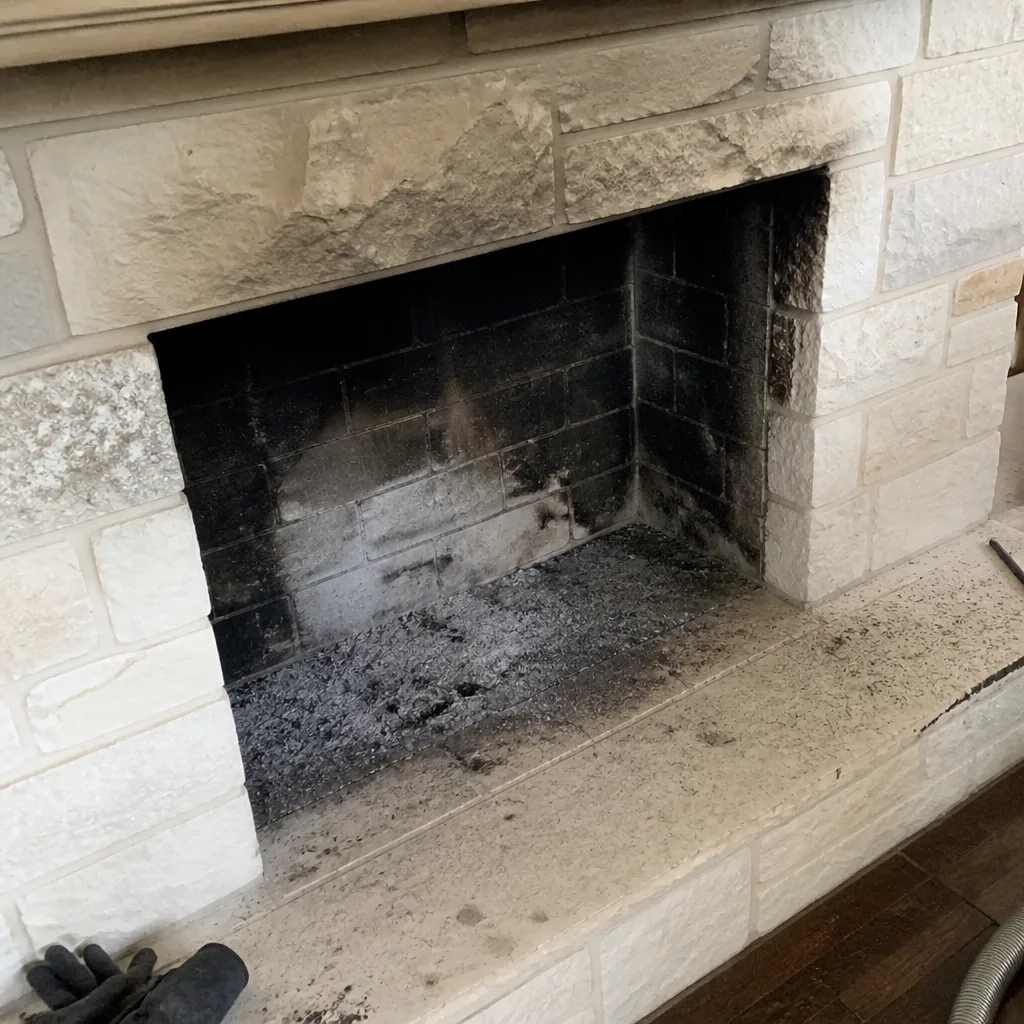 Before
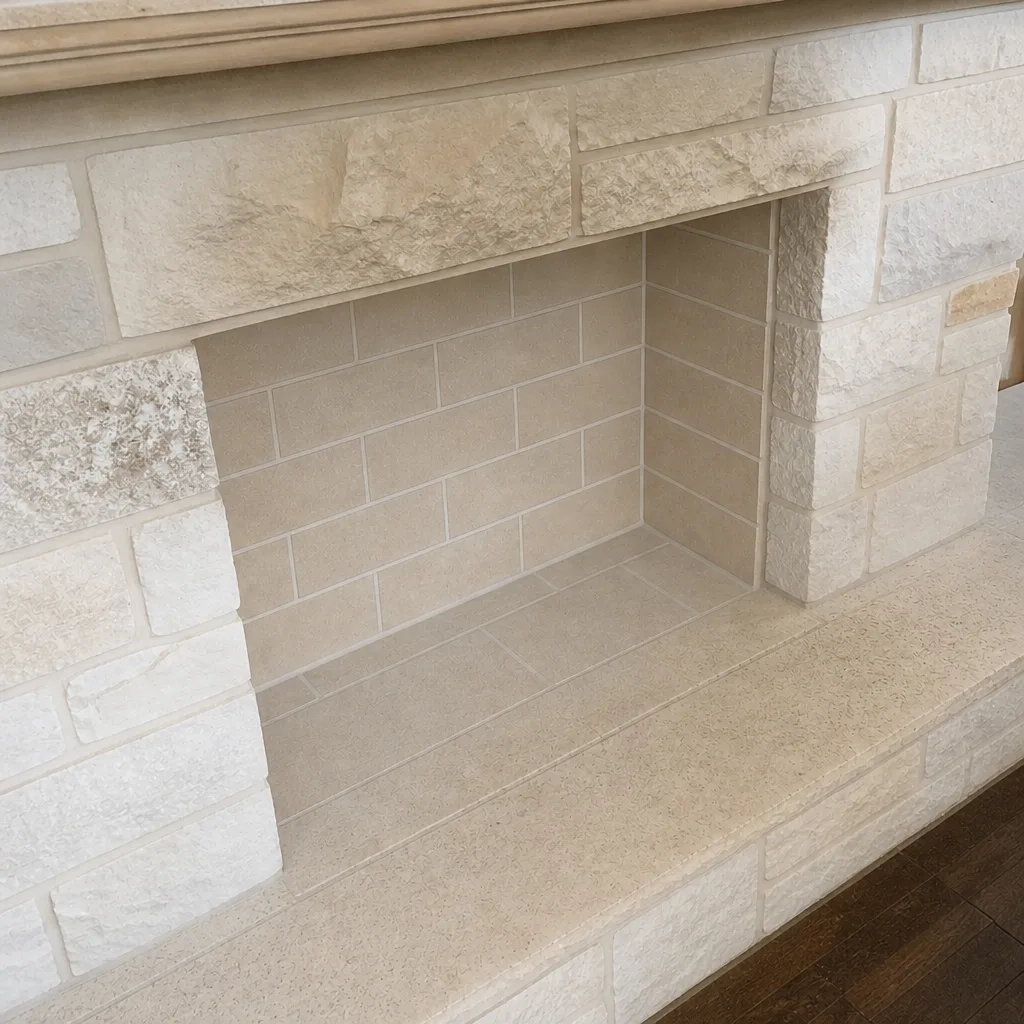 After
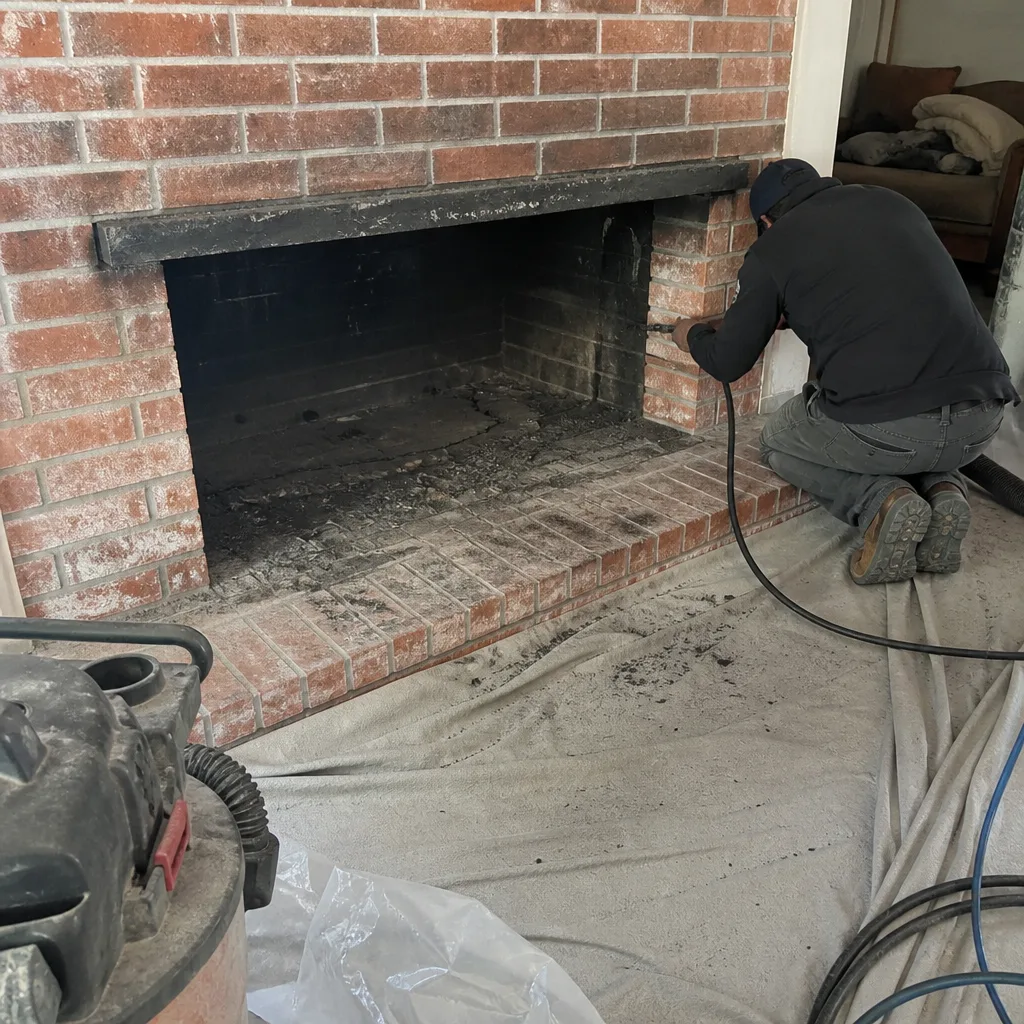 Before
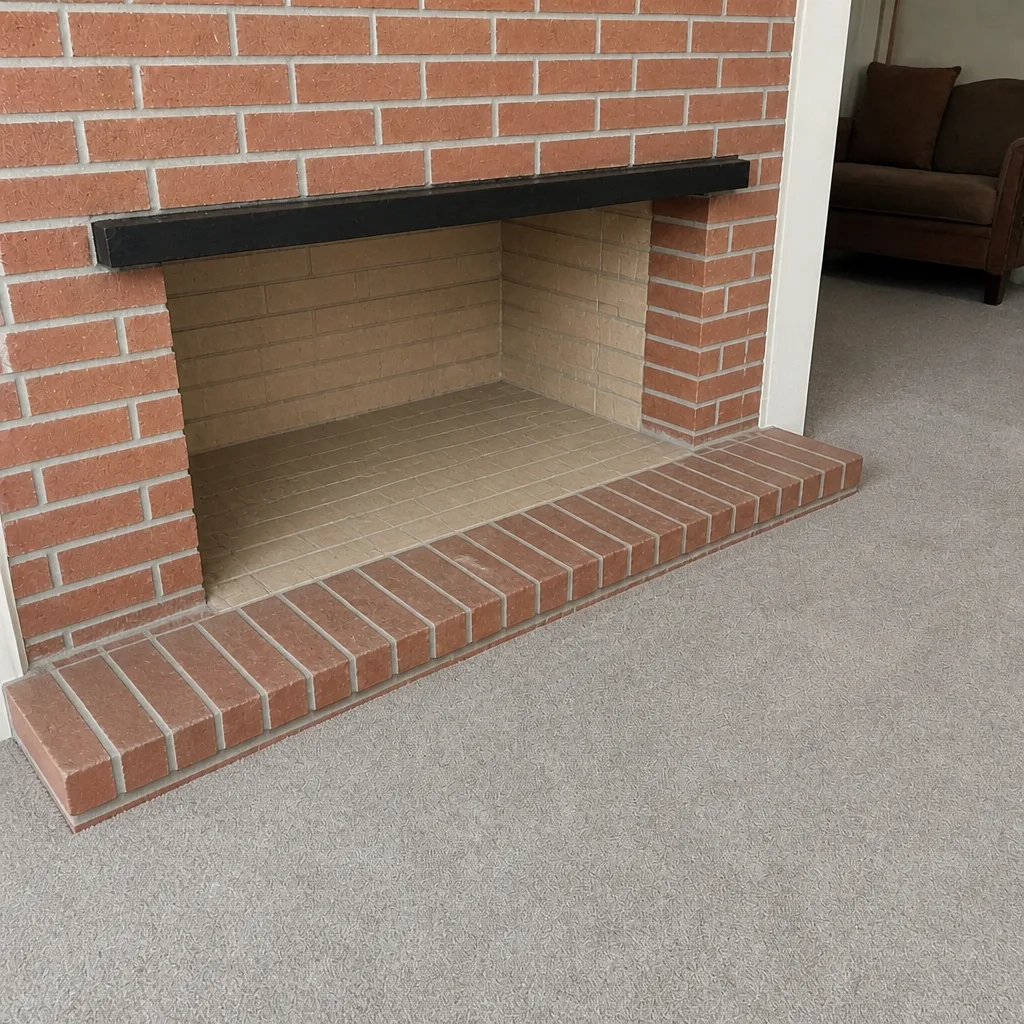 After
Common Mistakes to Avoid
- Waiting to be sure before calling 911. If you think the chimney is on fire, treat it that way and call. Waiting to see whether the sound continues has no upside.
- Burning unseasoned wood to “save money.” Wet wood produces far more creosote than dry wood, which is exactly the buildup that feeds a chimney fire. It also sends far more smoke up the flue.
- Skipping the inspection because the sweep got “everything.” A sweep removes creosote; an inspection finds cracks, liner damage, and chimney structure problems. They’re different jobs, and doing one doesn’t replace the other.
- Ignoring a chimney after a storm because “it looks fine from the ground.” Hail and wind damage often shows up on the cap, crown, and flashing long before it’s visible from the yard. A quick professional look catches it.
- Hiring on price alone after a chimney fire. Restoration work is not a commodity. Ask what the diagnosis includes, whether you see the camera footage and photos, and whether the repair is done by the same company that inspected.
- Relying on a CO detector to tell you the chimney is fine. Detectors are the backup. The inspection is the plan.
- Relighting the fireplace the same night after a chimney fire. A chimney that’s been through a fire needs a professional inspection before it’s used again. No exceptions.
When to Call a Professional
Call for a professional inspection when any of these are true: you’ve never had the chimney inspected, you’ve just moved into a Casa View home and don’t know its history, you’ve heard or seen anything unusual from the fireplace during a burn, a storm has passed through with significant wind or hail, or you’re planning to use the fireplace for the first time in a season and want to start it safely. Call the same day if you’ve had a chimney fire, a CO alarm, or visible damage to the chimney structure. Chimney Sweep Casa View offers free estimates in Casa View. Call (844) 947-2044. Our technicians have up to 14 years of experience diagnosing chimney problems with a camera and showing homeowners the evidence. Same-day service is available for urgent situations.
Frequently Asked Questions
Most chimneys used regularly should be swept once a year, before the heating season. If you burn frequently or burn wood that isn’t well seasoned, more often. The right answer is set by the inspection, which measures how much creosote has built up. Call (844) 947-2044 for a free estimate.
Creosote builds up in the flue, and when it reaches a certain thickness it can ignite. Skipping the sweep doesn’t guarantee a chimney fire, but it removes the one hazard that’s easy to prevent. The same inspection that catches creosote also catches cracked liners and blocked flues that cause CO problems. Call (844) 947-2044 to book an inspection.
Yes, slow-burning chimney fires can smolder quietly without the loud roar or visible flames, and sometimes they’re only found later during an inspection. That’s one reason any unusual sound, smoke, or behavior from the fireplace deserves a professional look. Call (844) 947-2044 if you suspect one.
Only if the inspection shows the existing liner is cracked, deteriorated, or no longer protected against heat and gas escape. A camera inspection shows you exactly what’s there. If the liner is sound, we’ll tell you so. If it needs relining, we’ll show you why. Call (844) 947-2044 for a free estimate.
Damaged or missing caps, cracked crowns, and displaced flashing are the usual issues. They let water into the flue and break down the liner over time if not repaired. A post-storm check from the roofline catches these early. Call (844) 947-2044 to schedule one.
A loud roaring or rumbling sound from the flue, repeated loud popping, thick dark smoke, and flames or sparks at the top of the chimney are the main signs. If you notice any of them, get everyone outside and call 911 before doing anything else.
The Bottom Line
Chimney emergencies in Casa View fall into two groups. Chimney fires are fast and violent, and they call for one response: get out, call 911, don’t use water. Slow-building hazards, like carbon monoxide infiltration or structural failure, are far less visible and are caught by a camera inspection, not by waiting for a warning sign. The pre-season work prevents almost all of it: a professional inspection, a sweep to remove creosote, repair of liner damage, and caps and crowns that actually keep out water. Our approach at Chimney Sweep Casa View is diagnosis first, with photos and footage you see yourself, then repair only what the evidence supports.
If you’re facing a chimney concern now, or you want to prepare before the season starts, call Chimney Sweep Casa View at (844) 947-2044 for a free estimate. We answer 24/7. Fast dispatch from 7am to 7pm, Sunday through Friday.
Written by the team at Chimney Sweep Casa View.