
Last updated November 25, 2026
 Sweep & inspection
 Caps & crowns
 Flue relining
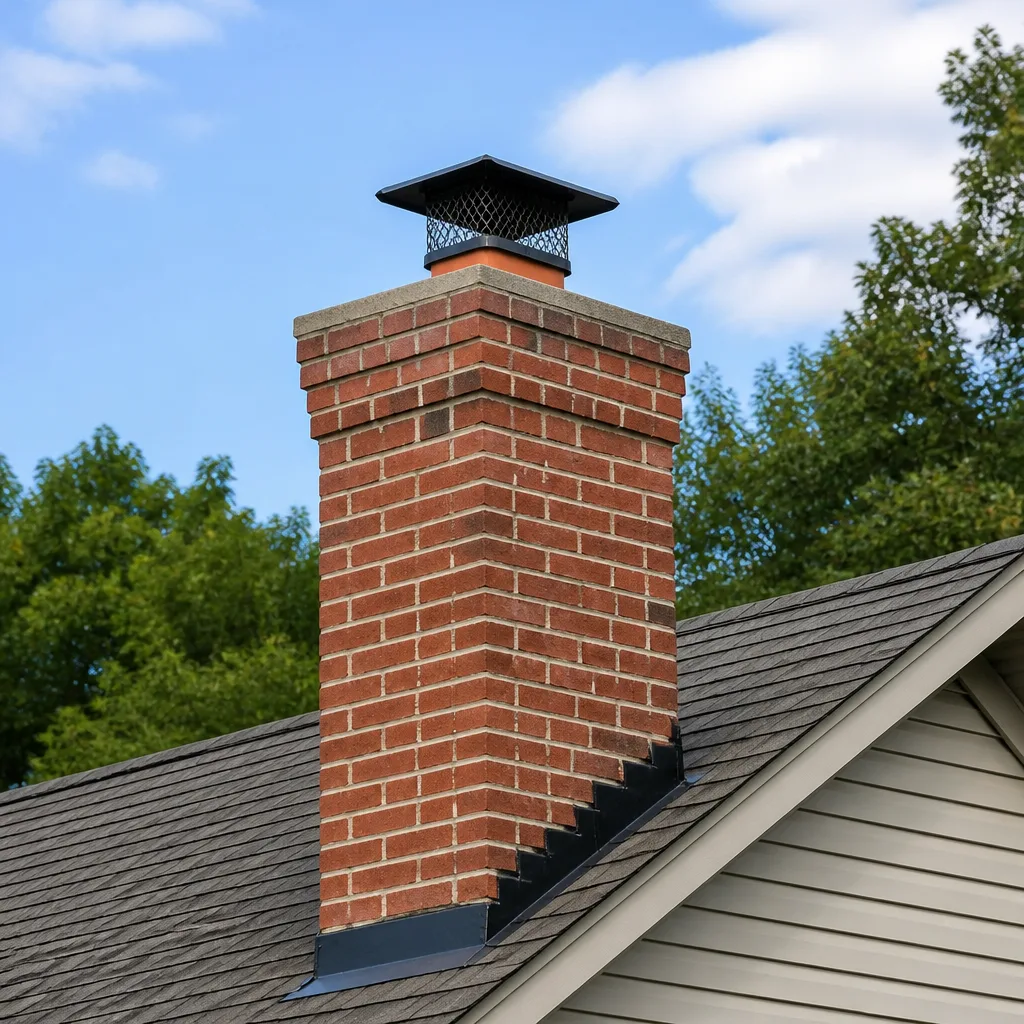 Masonry repair
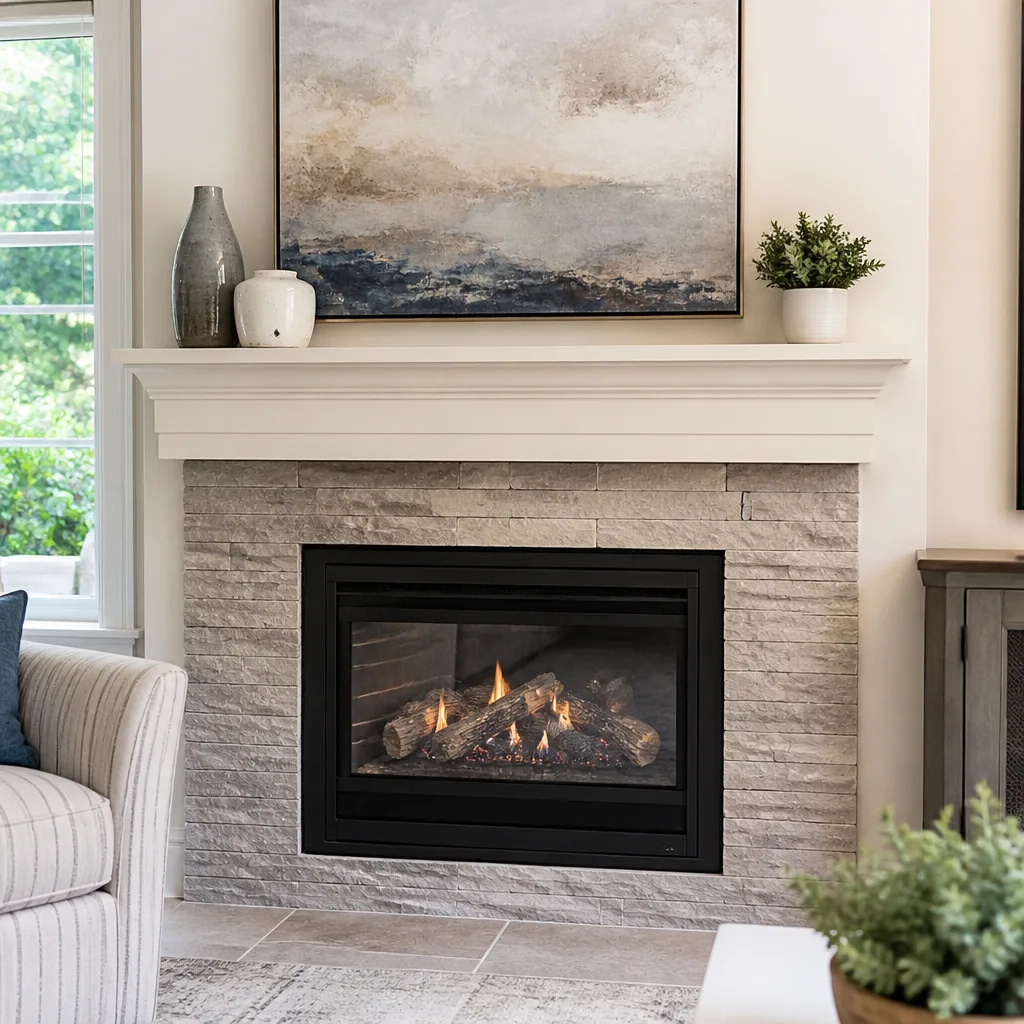 Gas fireplace service
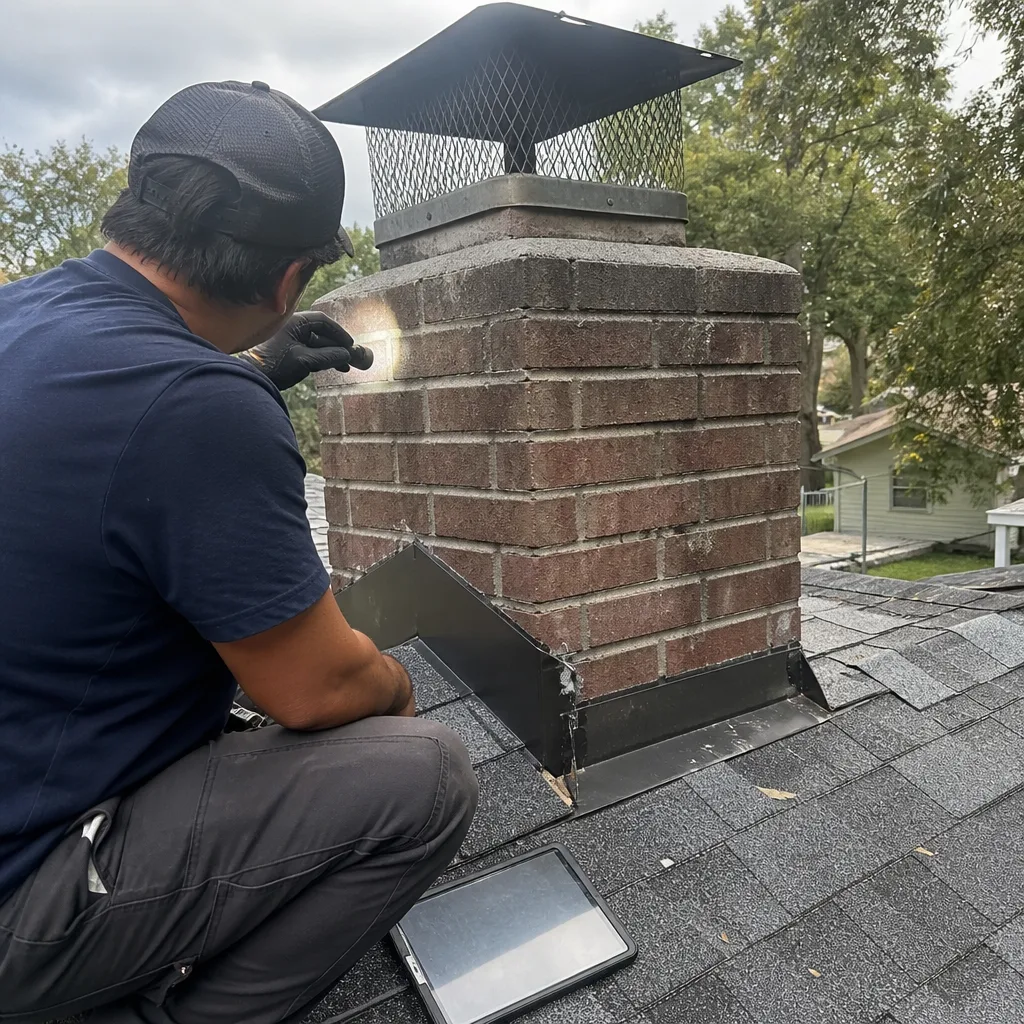
Level 1 sweep and inspection to the NFPA 211 annual standard - flue, crown, cap, and flashing checked and photographed
Chimney sweep logs do not sweep chimneys. They loosen some creosote - which then falls where a brush and vacuum still have to collect it.
DIY vs Professional Chimney Cleaning: The Casa View Homeowner’s Decision Guide
You can sweep a chimney yourself. You cannot evaluate whether the flue tile behind the smoke shelf has a hairline fracture that’s venting carbon monoxide into your attic. Those are two different tasks, and conflating them is how “I cleaned it myself” becomes a hazardous situation. Most homeowners in Casa View who ask about DIY chimney cleaning are really asking a narrower question: which parts of this job can I handle, and which parts will get someone hurt or cost me more later? This guide draws that line precisely. You’ll learn which tasks are genuinely safe to do on your own, which ones look simple but aren’t, and how to tell the difference before you climb a ladder or buy a brush kit online.
Quick Answer
Homeowners can safely handle exterior visual checks, cap debris removal, and ash box clearing. Everything that involves the inside of the flue, creosote stage assessment, liner integrity, or camera inspection should be done by a professional, because the failure modes are invisible without the right tools. For most Casa View homes, an annual professional sweep and inspection is the baseline, and DIY work is a supplement to that, not a replacement.
Styles & brands we work with
- Sweep & inspection
- Caps & crowns
- Flue relining
- Masonry repair
- Gas fireplace service
Table of Contents
- Why This Is a Risk Question, Not a Cost Question
- The DIY Tasks That Are Genuinely Safe
- The Tasks That Look Simple but Require Professional Equipment
- The Hidden Costs of DIY Chimney Cleaning
- Why North Texas Homes Need Inspection Even With Low Burn Usage
- What “Professional Grade” Actually Means in Practice
- Carbon Monoxide and Chimney Fire: What the Failure Modes Look Like
- A Decision Tree for Casa View Homeowners
Why This Is a Risk Question, Not a Cost Question
When homeowners in Casa View search for “DIY vs professional chimney cleaning,” they’re usually framing it as a price comparison. A brush kit costs less than a professional sweep. That math is real, and we’re not going to pretend otherwise. But it’s the wrong frame, because the two things being compared aren’t the same service at different prices. They’re two different activities with different failure modes.
A homeowner with the right brush and a ladder can knock loose soot and light creosote off the flue walls. That’s a real cleaning, and it does reduce fire risk to a degree. What it doesn’t do is tell you anything about the condition of the chimney. It doesn’t show you whether the flue liner has a crack, whether the smoke chamber has a ledge of glazed creosote that a brush won’t touch, or whether the crown has failed and water is working its way into the masonry.
The cost question assumes the outcome is roughly the same either way. It isn’t. A professional visit produces two things: a cleaner flue and a diagnostic report. The DIY visit produces one of those. That gap is where the real risk lives, and it’s the reason insurance carriers, home inspectors, and chimney professionals all say the same thing in different words: the cleaning is the easy part, the assessment is what you’re actually paying for.
In our experience, the homeowners who get into trouble aren’t the ones who tried to save money. They’re the ones who cleaned their own flue for several seasons, assumed everything was fine, and then discovered during a chimney sweep that a cracked flue tile had been venting combustion gases into the attic for who knows how long. The money they saved wouldn’t cover a fraction of the repair.
This guide takes that framing seriously. We’ll show you exactly which tasks fall on the homeowner-safe side of the line and which tasks don’t.
The DIY Tasks That Are Genuinely Safe
There are three categories of chimney work a Casa View homeowner can do safely and effectively without special tools. All three are exterior-facing or ground-level tasks, and none of them put you over the firebox or on the roof.
- Exterior visual inspection from the ground. Walk around the outside of the house with a pair of binoculars and look at the chimney at least once a season. You’re checking for loose or missing mortar joints, a tilted cap, a cracked crown, or stains on the brick that suggest water intrusion. This costs you five minutes and catches a surprising number of problems early. Note what you see, and mention it at your next professional appointment.
- Cap debris removal. If leaves, twigs, or bird nesting material sit on top of the spark arrestor screen, you can clear them with a stiff brush on a long handle from a stable ladder position or from an accessible flat roof. Don’t climb onto a steep roof, and don’t remove the cap itself. Clearing what’s caught on top is a different job from removing the cap and resealing it.
- Ash box and firebox clearing. Once the firebox is completely cool, scoop out ash and dispose of it in a metal container with a lid. This reduces the dust load and makes the firebox easier to inspect. It’s not a substitute for a sweep, but it’s a useful habit and it’s completely safe if you wait until the ashes are cold.
That’s the list. It’s shorter than most “DIY chimney tips” articles would have you believe, and that’s on purpose. Every other step in a proper chimney service involves a tool, a height, or a piece of knowledge most homeowners don’t have. Knocking soot off the flue is not the same as evaluating whether the flue is safe to use, and the second one is the reason professional chimney sweeps exist as a trade.
If you’re going to do the three items above, do them consistently. An exterior walk-around in spring is more useful than a rushed one in fall, because it gives you time to fix what you find before the burning season starts. Casa View winters are mild, but the weather patterns that drive water into masonry don’t really stop. What you’re looking for is change from one season to the next, not perfection on any given day.
The Tasks That Look Simple but Require Professional Equipment
Here’s where most homeowner projects go sideways. The tasks below look like cleaning jobs on the surface. They’re actually diagnostic jobs, and they can’t be done with a brush kit, a flashlight, and good intentions.
Flue camera inspection
A brush pushes soot around. A camera shows you what’s actually on the inside of the flue: cracks in the tile, gaps in the mortar, offset joints, and the state of the smoke chamber above the damper. This is the difference between “the chimney seems fine” and “I confirmed it’s fine.” No homeowner is buying a chimney camera, and no homeowner should be climbing onto the roof to run one down the flue.
Creosote stage assessment
Creosote isn’t a single substance. It builds up in stages, from light flaky soot up through glazed, hard, tar-like deposits that a standard brush won’t remove. The difference matters because stage-three glazed creosote is the material most associated with chimney fires, and it requires specialized removal. You can’t assess stage from the firebox floor. You need to see the flue wall at multiple points, and that requires equipment and experience.
Liner integrity testing
The flue liner is the barrier between combustion gases and your home’s framing. A hairline crack the size of a fingernail is enough to let carbon monoxide into the structure of the house. Liner integrity is tested from the inside with a camera, and confirmed by a visual inspection of the exterior where the liner terminates at the cap. If you’re not doing both, you’re not testing the liner.
Smoke chamber and damper inspection
The smoke chamber is the sloped area above the damper that funnels gases into the flue. It’s the least visible part of the whole system and the place where creosote tends to accumulate in ways the homeowner cannot see or remove. Every professional sweep inspects the smoke chamber as part of a Level II inspection. It’s the diagnostic equivalent of checking behind the smoke shelf.
If you want to know what a professional visit covers, our Chimney Sweep Casa View page walks through the full process from inspection to sweep to report. The short version is that each of the four items above is done by the same technician on the same visit, with equipment you don’t have and a baseline of what a healthy flue looks like that you build up over years, not hours.
The Hidden Costs of DIY Chimney Cleaning
The brush kit costs less than a professional sweep. That’s true. But the total cost of a DIY approach is bigger than the kit, and it’s worth adding up honestly before you decide.
- Brush sizing. Chimney brushes come in different diameters for a reason. A brush that’s too small doesn’t clean the flue wall. A brush that’s too large binds and can damage tiles or break a chimney rod inside the flue, which is a much bigger job than the sweep you were trying to avoid. The right brush is sized to the flue, and you’d need to know the flue’s actual dimensions to buy the right one.
- Containment equipment. Professional sweeps use negative-air machines and drop cloths to keep soot out of the living space. Homeowners usually don’t, and the cleanup cost of soot that drifts out of the firebox into a room is real, unpleasant, and hard to recover from.
- Disposal. Creosote and soot are waste streams, and they need to be bagged and disposed of safely. Not a huge cost, but not zero, and not something most DIY guides mention.
- The diagnostic gap. This is the one that actually matters. Every season you clean the flue yourself is a season nobody has evaluated the liner, the smoke chamber, or the crown. Those components degrade, and they don’t announce it. The hidden cost is the repair you didn’t catch because nobody looked.
- Your time and your risk. Getting on a roof is dangerous work, and even a one-story roof over a hard surface is a bad idea for someone who doesn’t do it regularly. Every year homeowners end up in the ER for exactly this. The math on that is not favorable.
None of this is an argument against ever touching your own chimney. The three homeowner-safe tasks in the previous section are genuinely worth doing. What this section is saying is that the “DIY chimney cleaning” category gets sold as something bigger than it is, and the gap between what it delivers and what a professional visit delivers is where the hidden costs accumulate.
Why North Texas Homes Need Inspection Even With Low Burn Usage
Here’s a point most national chimney articles miss. In climates with long, cold winters and heavy burn seasons, creosote volume is the main driver of chimney damage. In Casa View, and across North Texas generally, the driver is different. Most homeowners here burn fewer cords of wood than homeowners in colder regions, and a lot of fireplaces sit idle for most of the year. If creosote accumulation were the only issue, a light-burner could go longer between sweeps.
But creosote isn’t the only issue, and in this climate it’s not even the primary one. The damage drivers we see most in Casa View are:
- Water intrusion through failed crowns and flashing. A crown is the concrete cap at the top of the chimney. When it cracks, water gets into the masonry below and starts eroding mortar joints from the inside. Rain is the operative force here, not freeze-thaw.
- Cap damage from wind and debris. A loose cap lets water in and lets animals in. Neither is visible from the firebox floor.
- Soil movement around the foundation. Clay soils expand and contract with moisture, and that slight movement can stress the chimney structure over years. This is a slow process, but it shows up as offset flue tiles and gaps in mortar that only a camera can see.
- Long idle periods between uses. A fireplace that burns twice a year and sits idle otherwise is a good candidate for animal nests, debris, and undetected cracking. Regular use tends to reveal problems sooner because you notice smoke backdraft or a draft that isn’t working. Idle fireplaces hide their issues.
The point isn’t that North Texas chimneys are worse. The point is that the inspection is checking for a different set of failure modes than the “how much creosote” question that dominates most DIY discussions. A homeowner who cleans their own flue once a year and skips the inspection is checking for the problem that this climate produces less often, while missing the ones that produce more. That’s the diagnostic mismatch, and it’s the main reason we recommend an annual professional visit even for homeowners with a light burn habit.
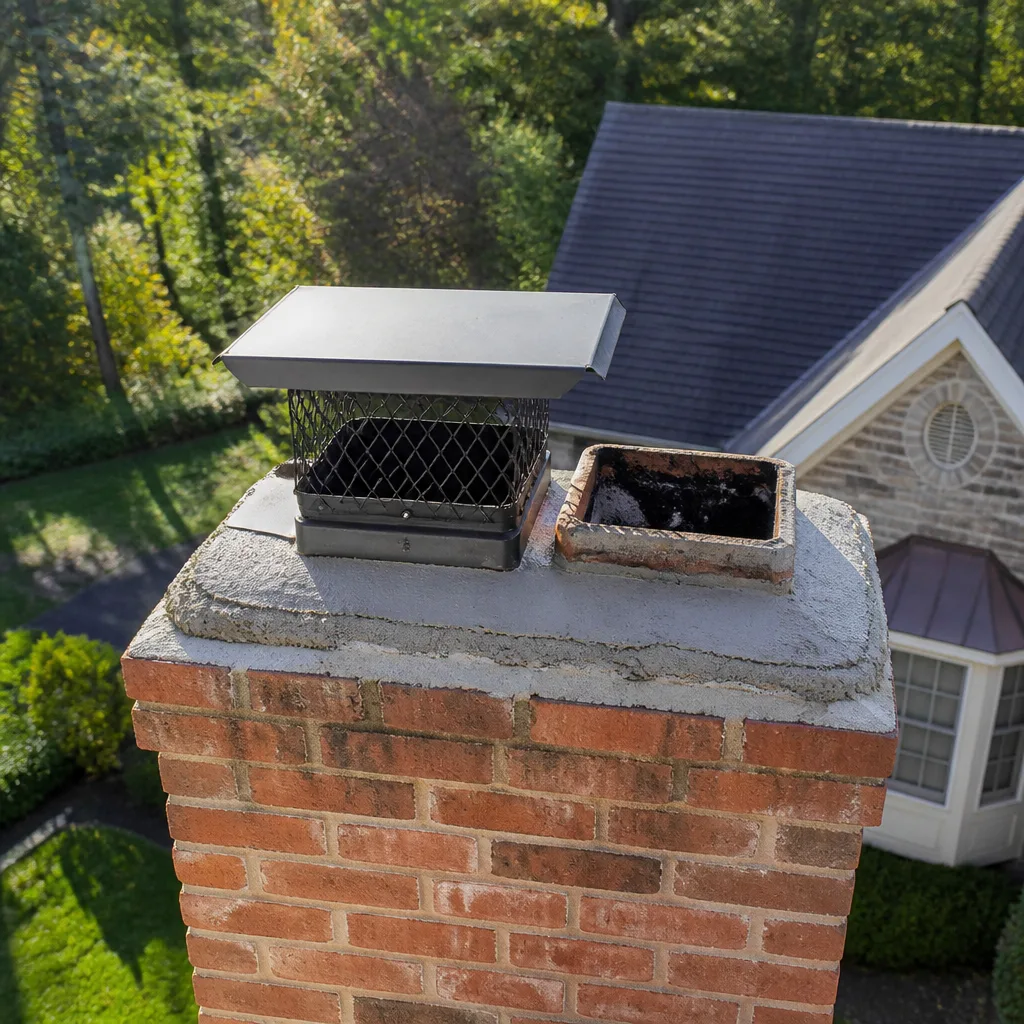
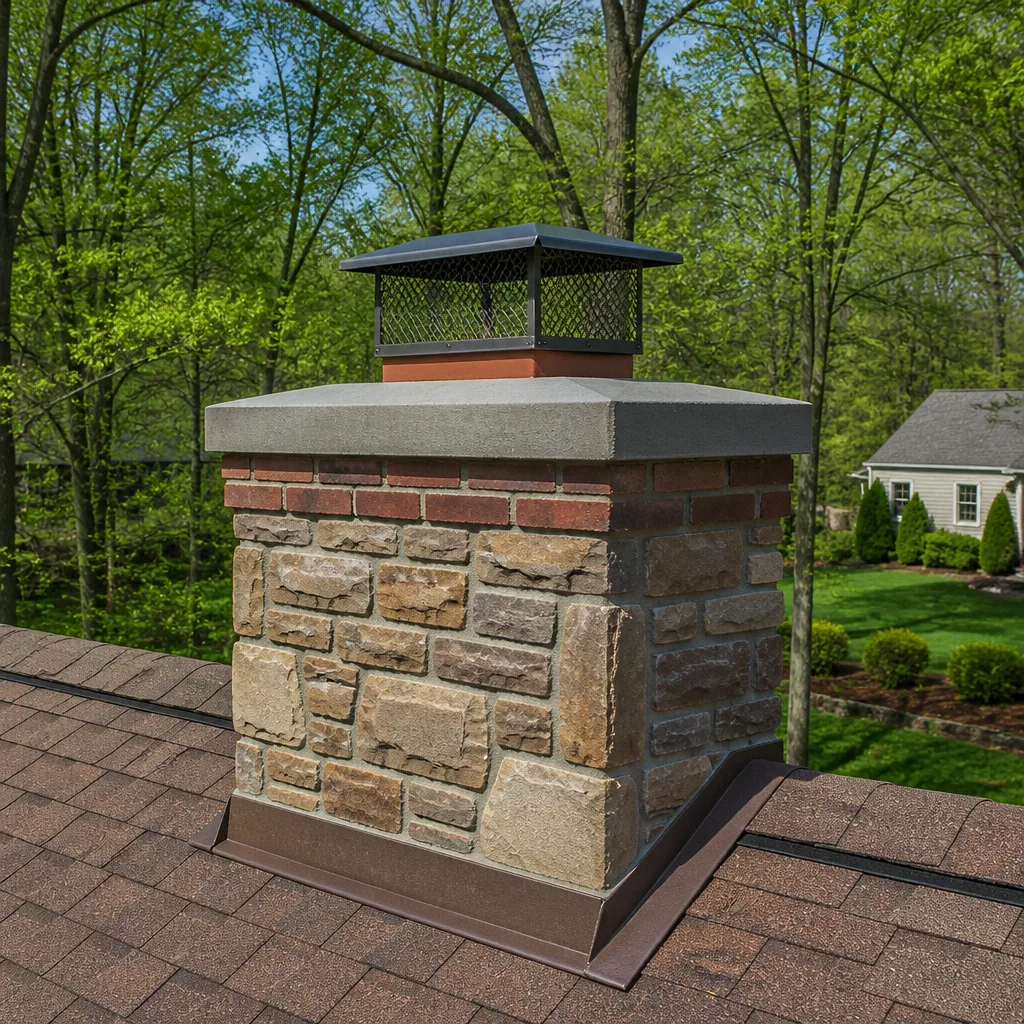
For the parts of the system most exposed to this weather damage, the chimney cap & crown work we do is usually the highest-leverage repair. A properly sized, properly sealed cap and a crown that sheds water away from the masonry prevent a lot of the damage that would otherwise show up as an expensive rebuild down the road.
What “Professional Grade” Actually Means in Practice
The term gets thrown around loosely. In practice, “professional grade” comes down to three things: what tools the technician brings, what materials they install, and what warranty stands behind the work. Here’s how those break down.
Diagnostic tools
A professional sweep arrives with a chimney camera, a rod-and-brush set sized to your flue, a creosote-stage reference for the flue walls, and a moisture meter for the masonry. They use a negative-air machine to keep soot out of the room. None of this equipment is exotic. It’s just not on a homeowner’s shelf, and it doesn’t make sense to buy for a job you do once a year.
Materials
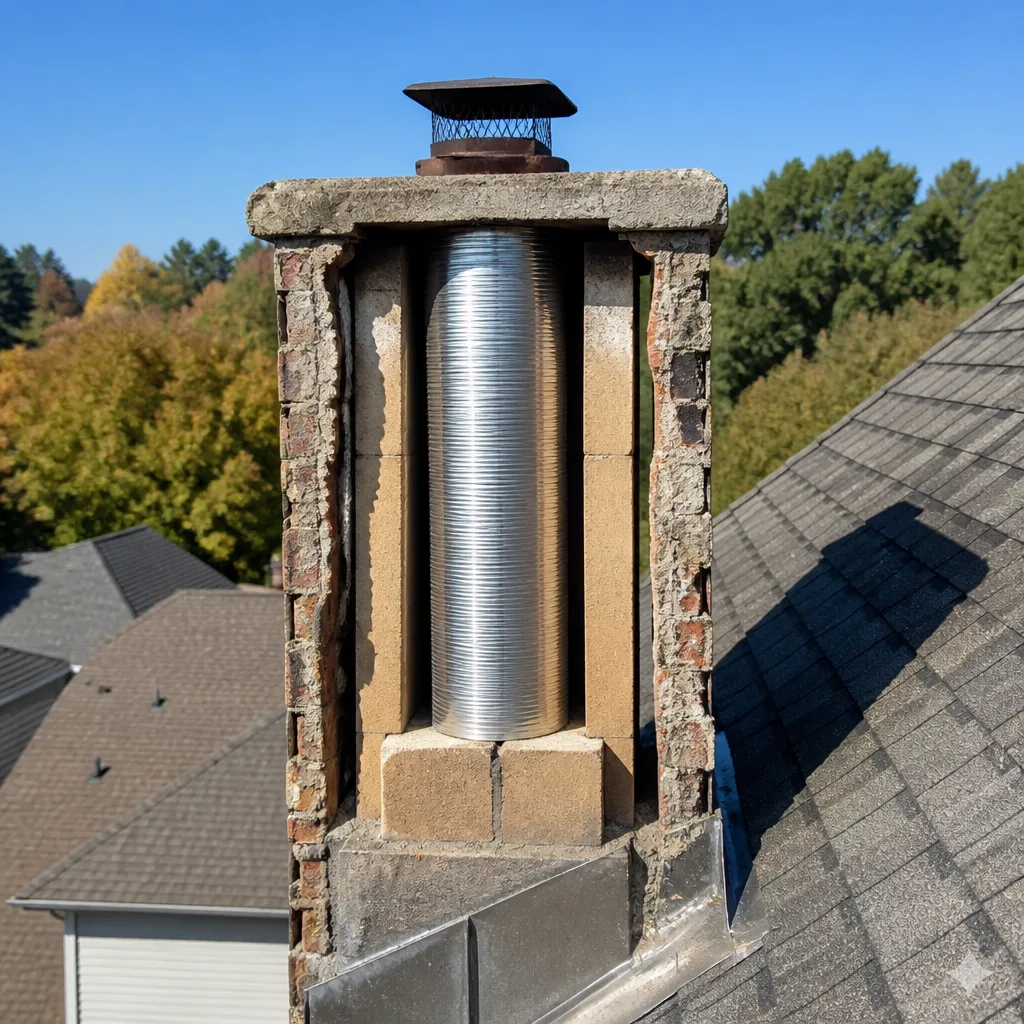
This is where the difference sharpens. When a professional-grade chimney service recommends a liner repair, the materials matter. HeatShield is a ceramic resurfacing system that restores a damaged flue from the inside without demolition. It’s not a hardware-store product, and it’s applied by technicians trained on it. DuraFlex flexible liner systems are the other side of the coin: when the flue is too damaged for resurfacing, a DuraFlex liner restores the venting path without tearing the chimney down. Both are professional-tier products that masonry contractors and restoration specialists rely on for the same reasons.
The same logic applies to caps and crowns. A hardware-store sheet-metal cap is undersized, flimsy, and won’t hold up past one weather cycle. A cap from Famco or Copperfield is sized to the flue, sealed to the crown, and built for a decade of rain and wind. When we install a cap, we’re installing the same grade of product a commercial restoration project would specify, because that’s the standard that actually solves the problem.
Warranty and accountability
A brush-kit owner has no warranty on the work. A professional sweep provides a written report, photographs of what was found, and a service that stands behind the diagnosis. If the inspection flags a cracked tile, the report shows you the photo. If the report says the liner is in good shape, you have documentation. That documentation is exactly what a future home inspector, insurance adjuster, or buyer is going to ask for. The fireplace repair work we do carries the same principle: what’s recommended has to be justified by what the camera and the visual inspection actually showed.
The three-way combination (tools, materials, warranty) is what separates a professional sweep from a homeowner with a brush. If a company can’t show you photos, can’t name the materials they use, and can’t tell you what happens if the liner turns out to be bad, they’re not really offering professional-grade service. They’re selling a brush-kit experience at a markup.
Carbon Monoxide and Chimney Fire: What the Failure Modes Look Like
This is the serious part, and it’s the reason the risk-allocation frame is the right one. Two failure modes matter most, and both are silent from the inside of your living room.
Chimney fire. A chimney fire starts when creosote deposits ignite inside the flue. It can be dramatic (loud roar, flames from the top of the chimney) or quiet (a low rumble, a pop, a puff of smoke) and either kind damages the flue. The reason this matters for the DIY debate is that glazed creosote, the third stage of accumulation, is exactly what a brush doesn’t remove. A homeowner sweeps the loose stuff, the glaze stays, and the fire risk doesn’t actually drop as much as they think it does. A professional sweep assesses stage, uses appropriate removal methods, and can tell you whether the flue is really clean.
Carbon monoxide venting. A cracked flue tile, a failed liner, or a gap in mortar can vent combustion gases into the home’s framing instead of up the flue. You won’t smell it and you won’t see it. The detection depends on a camera inspection of the flue, plus working carbon monoxide alarms in the living space. A homeowner sweeping their own chimney has no way to check whether the liner has developed a crack since the last professional inspection, and the crack doesn’t announce itself.
We want to be careful here. This isn’t a horror story meant to scare anyone into a service call. Most Casa View homes are fine, and most annual inspections come back with a routine sweep and minor recommendations. But the reason we recommend professional inspection every year is that the two failure modes above are exactly the ones a homeowner cannot assess from inside the house. The whole point of an inspection is to catch them before they turn into a bigger problem, and that’s a job that requires a camera, a trained eye, and a baseline of what a healthy flue looks like.
If your home doesn’t have working carbon monoxide alarms, that’s a separate and more urgent fix than anything on this page. Professional chimney inspection does not replace them. It complements them.
A Decision Tree for Casa View Homeowners
Here’s how to think through the decision in practice. Run through these questions in order.
- When was the last time the chimney had a Level II inspection with a camera? If it’s been more than a year, or you can’t remember, book one. This is the baseline. Everything else is secondary.
- Have you noticed any change in how the fireplace behaves? Smoke drifting into the room, a draft that pulls the wrong direction, a smell when the fire isn’t lit, or a visible crack in the firebox. Any of these is a reason to call, not a reason to investigate yourself.
- Are you planning to burn this season? If yes, get the inspection done before you light the first fire. If no, get it done in the off-season when scheduling is easier. The inspection doesn’t have to be urgent to be valuable.
- Have you done the three homeowner-safe tasks? If not, do them. Walk the exterior, check the cap, clear the ash box. That’s a free fifteen-minute project that adds useful information to your next professional visit.
- Are you comfortable on a roof? If the honest answer is no, don’t push it. The roof work is more dangerous than it looks, and the cost of a fall is not worth what you’d save on the sweep.
- Does the estimate include a camera inspection and a photo report? If not, keep calling. A sweep without a camera is a cleaning without a diagnosis. The camera and the photo report are the parts of a professional visit you can’t do yourself.
Run through that list once, and the answer usually clarifies fast. In our experience, the homeowners who end up calling are the ones who realized at step one that nobody has actually looked at the inside of their flue in years. The homeowners who don’t call are usually the ones who had a proper inspection recently and know their chimney is in good shape. Both answers are fine. The one answer that isn’t fine is “I don’t know, and I’ve been guessing.”
Common Mistakes to Avoid
- Buying a brush kit sized to the firebox instead of the flue. The flue is narrower than the opening you see from the firebox, and a brush that’s too big binds and damages tiles. Buy the wrong size once and you’ll understand why the kits with multiple brush heads exist.
- Treating a homeowner sweep as a substitute for inspection. Cleaning the flue and inspecting the flue are two different jobs. Doing one doesn’t do the other, and the diagnosis is the more valuable half.
- Assuming low burn usage means the chimney doesn’t need an inspection. In Casa View, the main damage drivers are weather and soil movement, not creosote volume. A fireplace that burns three times a year still collects damage.
- Removing the chimney cap to clean the flue and not resealing it. The cap does real work. Removing it, cleaning, and putting it back without checking the seal around the flue is how water gets into the masonry in the first place.
- Cleaning the flue after the firebox has been used recently. Soot that sits on a still-warm flue is a fire hazard in itself, and the firebox can hold heat for hours. Wait until everything is fully cool.
- Skipping the carbon monoxide alarms while going DIY on the chimney. The alarms are the only thing that catches venting problems you can’t smell or see. They’re not a chimney service, but they belong in the same conversation.
- Choosing a professional on price alone. A sweep without a camera inspection is not the same service as a sweep with one. If the quote sounds unusually low, ask what the technician will actually bring and check for before you book.
See the difference
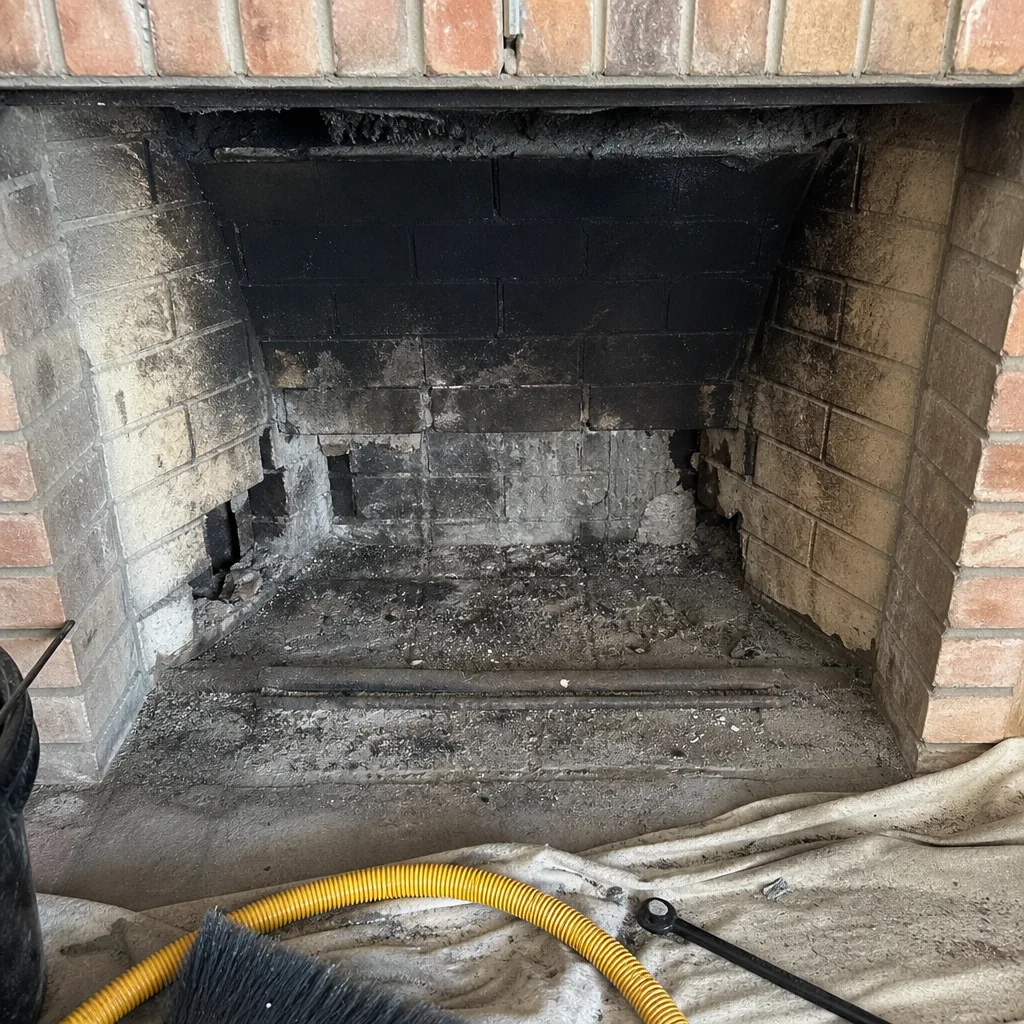 Before
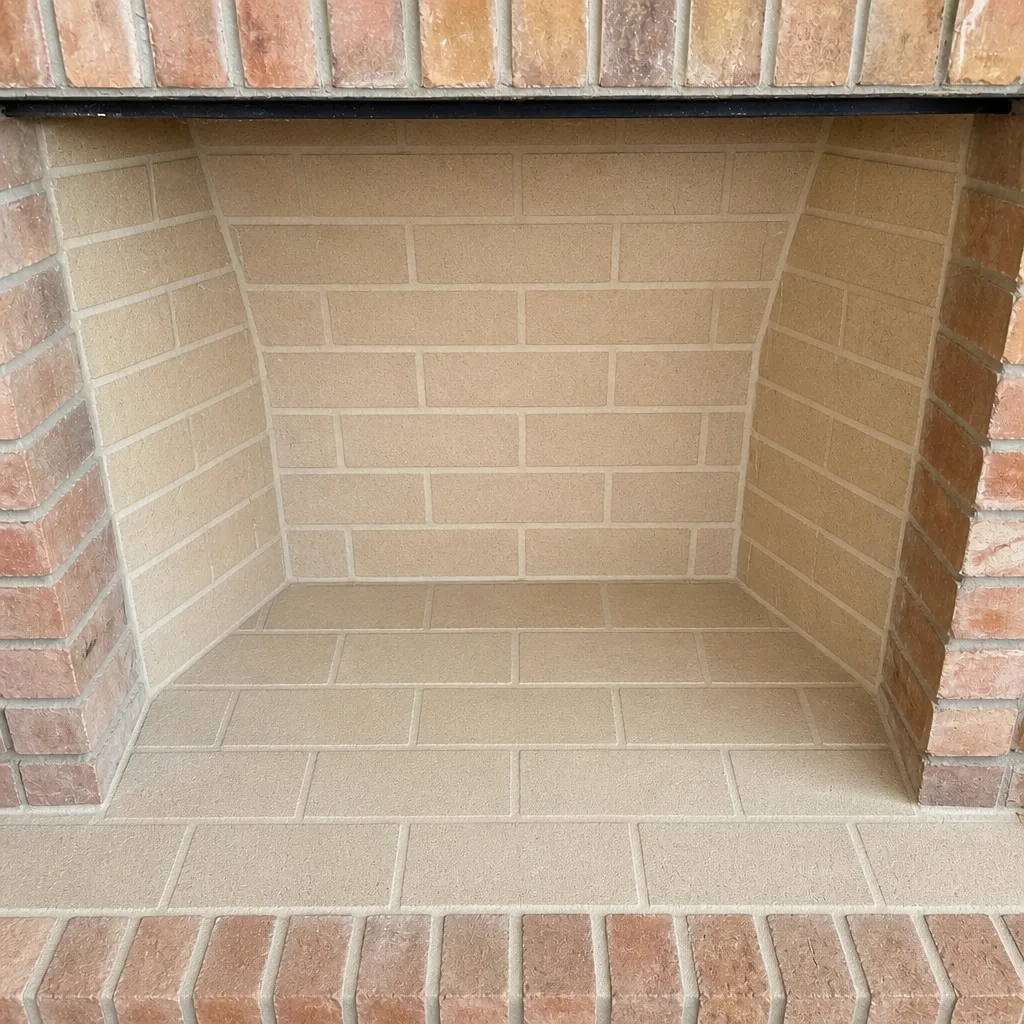 After
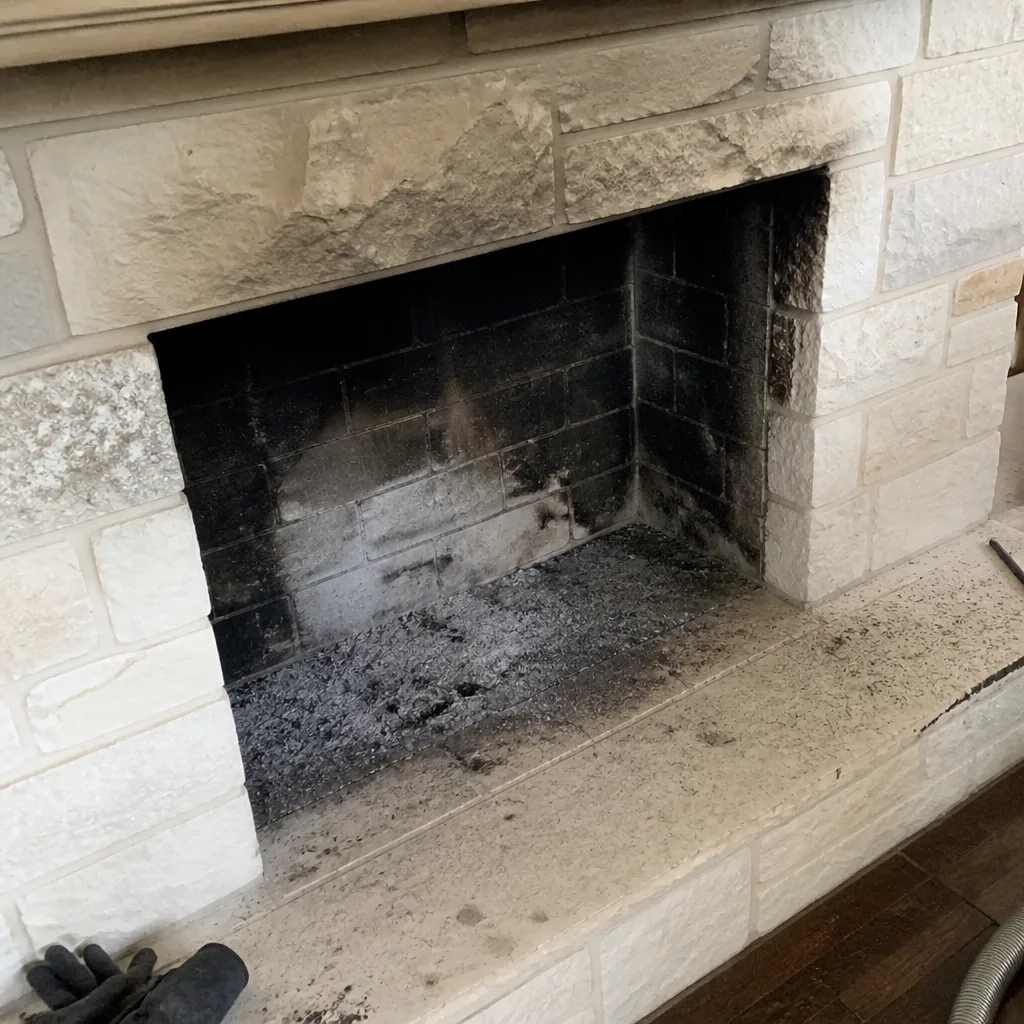 Before
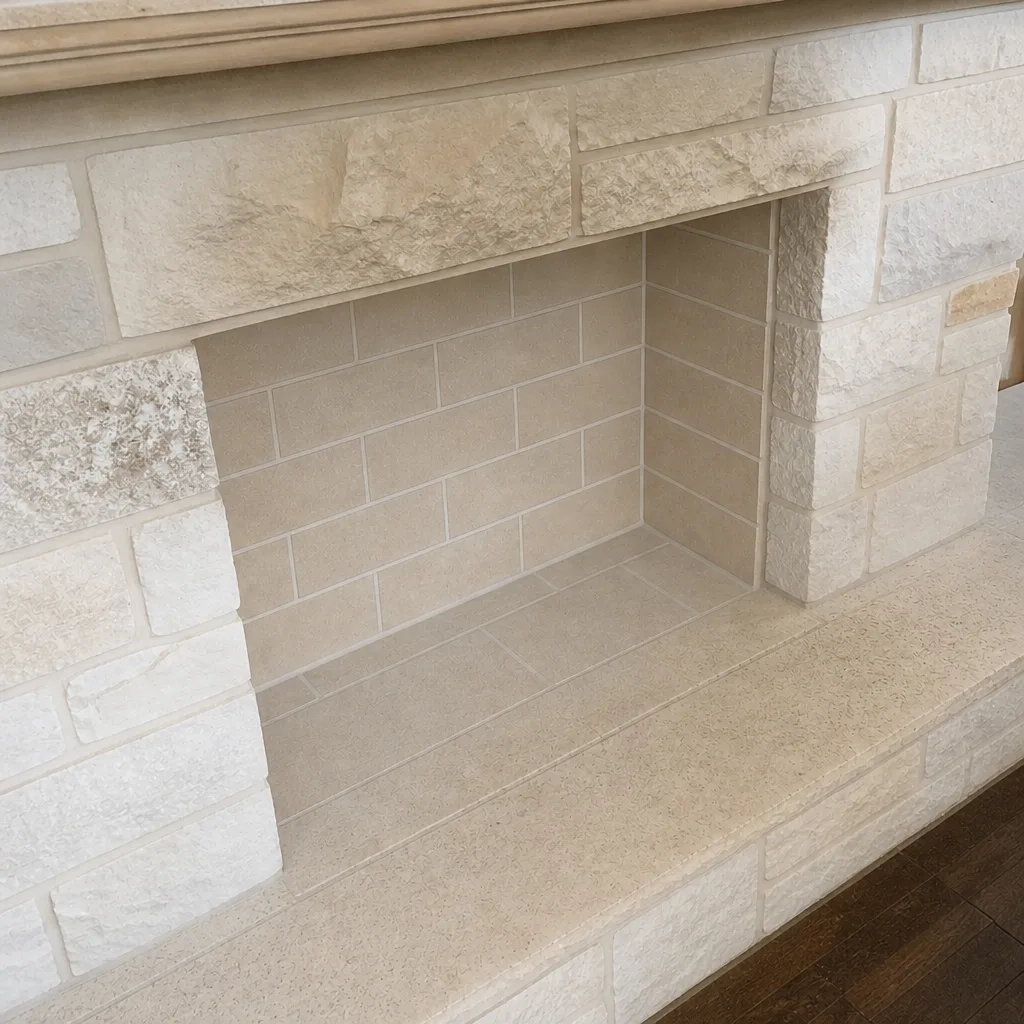 After
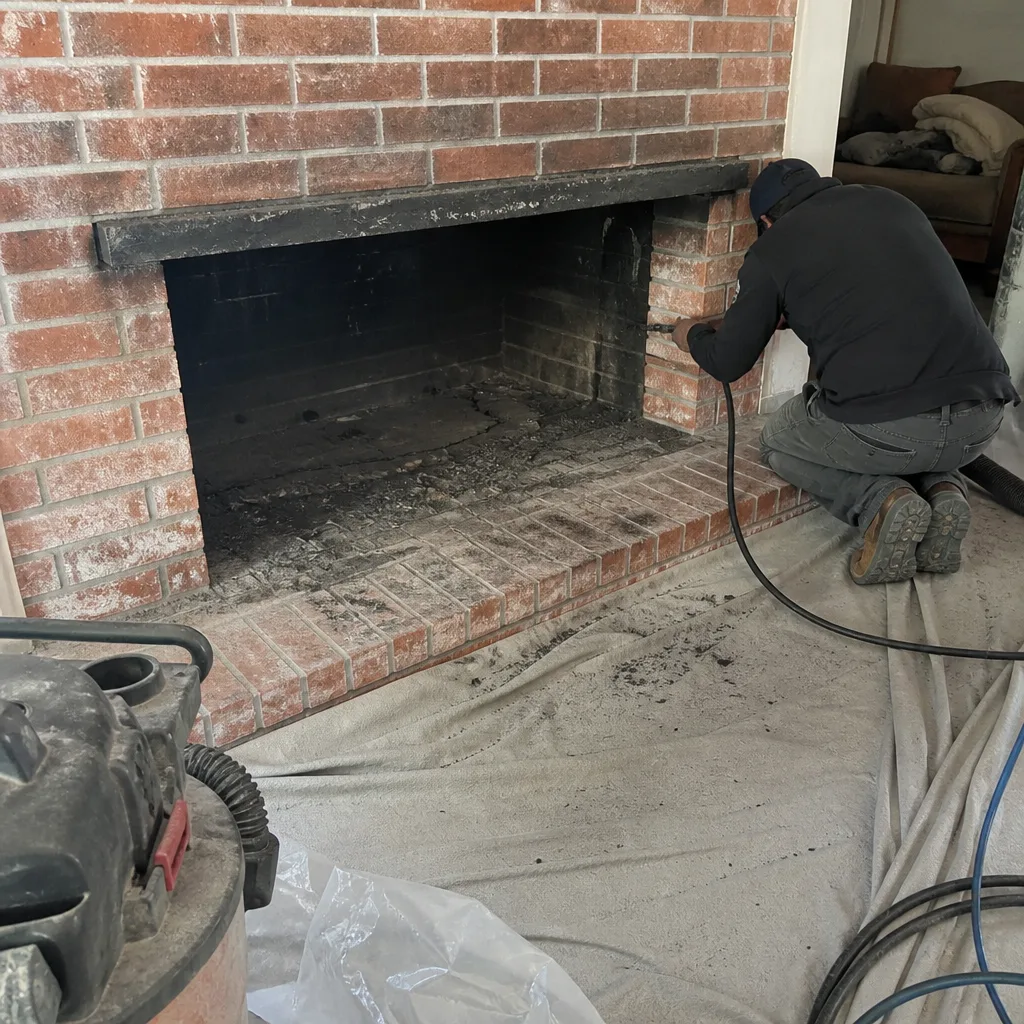 Before
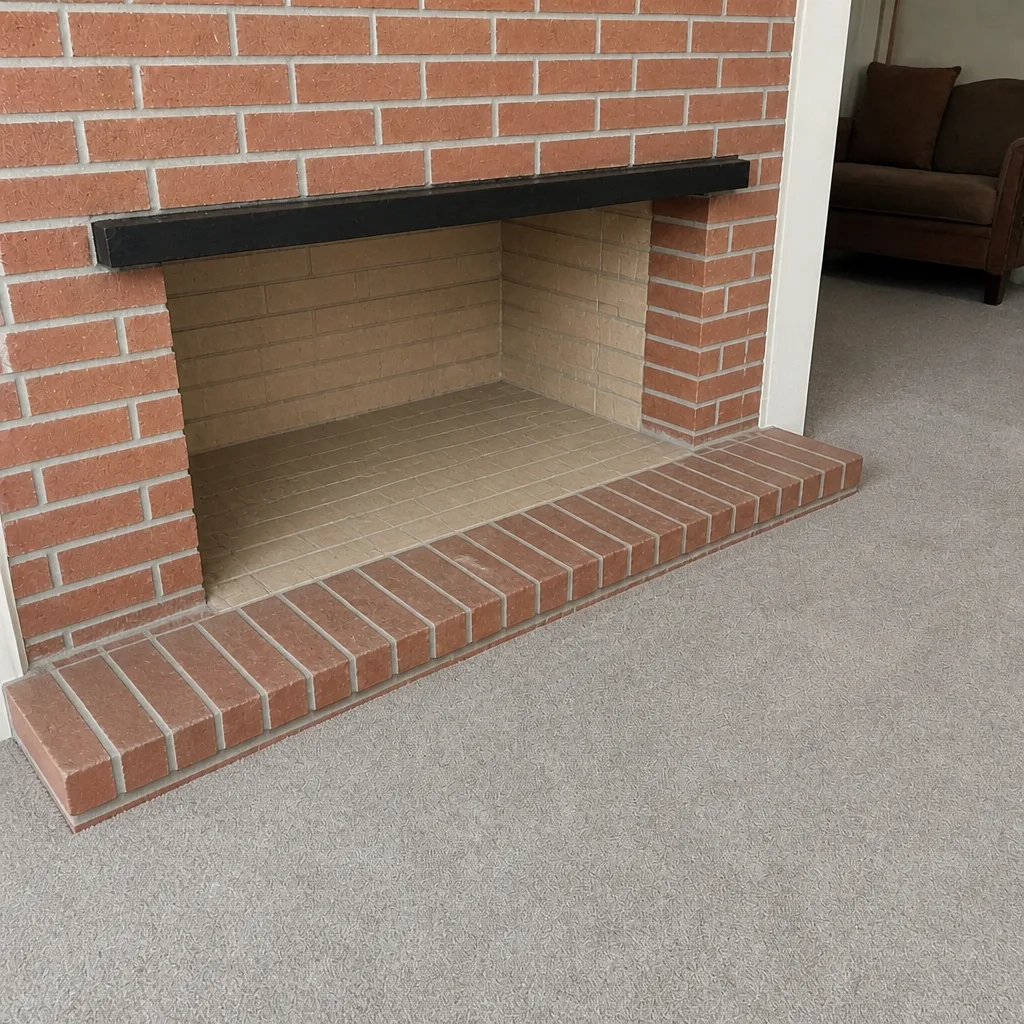 After
When to Call a Professional
Call a professional if any of these apply: no Level II inspection with a camera in the last year; visible cracking in the firebox or smoke chamber; smoke drifting into the room when the fireplace is in use; a smell of soot or creosote when the fireplace isn’t lit; a chimney cap that’s tilted, missing, or damaged; a chimney crown with visible cracks; a home inspection report that flagged the chimney; or any plan to burn regularly this season. Also call if you’ve done the three homeowner-safe tasks and something looked off, because that’s exactly the situation where a professional visit adds the most value. Chimney Sweep Casa View offers free estimates in Casa View. Call (844) 947-2044. We answer 24/7. Fast dispatch from 7am to 7pm, Sunday through Friday, closed Saturday.
One thing to keep in mind: a technician visit is also a second opinion on what a previous sweep or inspector found. If you’ve been told you need thousands of dollars of liner work, a reputable inspection will show you the camera evidence before recommending anything. You should be able to see the crack, the gap, or the offset for yourself. If you can’t, don’t authorize the work.
Frequently Asked Questions
A typical professional chimney sweep in Casa View runs in the range of a few hundred dollars depending on level of inspection and any add-on services like cap or crown work. The written estimate sets the final price, and a proper estimate should specify whether a camera inspection and photo report are included, since that’s the difference between a cleaning and a diagnosis. Call (844) 947-2044 for an exact quote. Estimates are free.
Yes, but only in a narrow sense. You can safely do the exterior walk-around, clear debris off the cap, and empty the ash box once everything is cool. What you can’t safely do is clean the flue itself or evaluate whether the liner, smoke chamber, or crown are in good shape. Those require a camera, proper brush sizing, and a trained assessment of creosote stage, and the failure modes are ones you won’t see from inside the house.
Once a year for most households, including homes with a light burn habit. That’s the industry baseline, and in North Texas it’s driven more by the annual inspection than by creosote volume. The inspection catches weather damage, cap failures, and liner cracks that a low-burn home is still exposed to. Homes that burn heavily may need more frequent sweeps, and the inspection report will tell you when the next one is due.
You may not need a new liner, and you should never authorize one without seeing the camera evidence. A damaged liner needs repair when there’s a visible crack, gap, or offset that’s venting gases into the structure. A liner in good shape doesn’t need to be replaced just because the chimney is old. When repair is needed, HeatShield ceramic resurfacing is often an option that restores the flue without demolition, and DuraFlex flexible liners cover the cases that resurfacing can’t. Both are professional-tier methods that get applied based on what the inspection actually shows, not on a sales script.
You’ll clean the flue surface, and you’ll also skip the diagnosis. The specific risk is that a cracked flue tile, a failed crown, or a stubborn ledge of glazed creosote will go undetected for another season. None of those announce themselves. The cost of skipping is not the sweep you avoided, it’s the repair you didn’t catch. Call (844) 947-2044 for an exact quote. Estimates are free.
It’s less safe for older homes, because older masonry and older liners are more likely to have developed the kinds of issues a camera inspection is designed to catch. The three homeowner-safe tasks remain safe regardless of home age. The flue cleaning is where the risk rises, and for a home that hasn’t had a professional inspection recently, that risk is reason enough to call a professional first rather than sweep it yourself.
The Bottom Line
The DIY vs professional question is really a question about which tasks fall on which side of a well-defined line. Homeowners can safely walk the exterior, clear the cap, and empty the ash box. They can’t safely clean the flue, evaluate creosote stage, or test liner integrity, because those tasks depend on equipment and a baseline of what a healthy flue looks like that only professional training provides. The hidden cost of treating DIY as a substitute for a professional visit isn’t the kit; it’s the diagnosis you skipped, and in Casa View that diagnosis is checking for the failure modes that matter most here (weather damage, soil movement, idle-season deterioration) rather than the ones dominated by heavy burn usage. The takeaway is simple: do the three homeowner-safe tasks, and book the annual inspection with a company that brings a camera, shows you what it finds, and stands behind the diagnosis with the materials it recommends. If you’re ready to schedule, call (844) 947-2044 for a free estimate. We answer 24/7. Fast dispatch from 7am to 7pm, Sunday through Friday.
Written by the team at Chimney Sweep Casa View.