
Last updated November 25, 2026
 Sweep & inspection
 Caps & crowns
 Flue relining
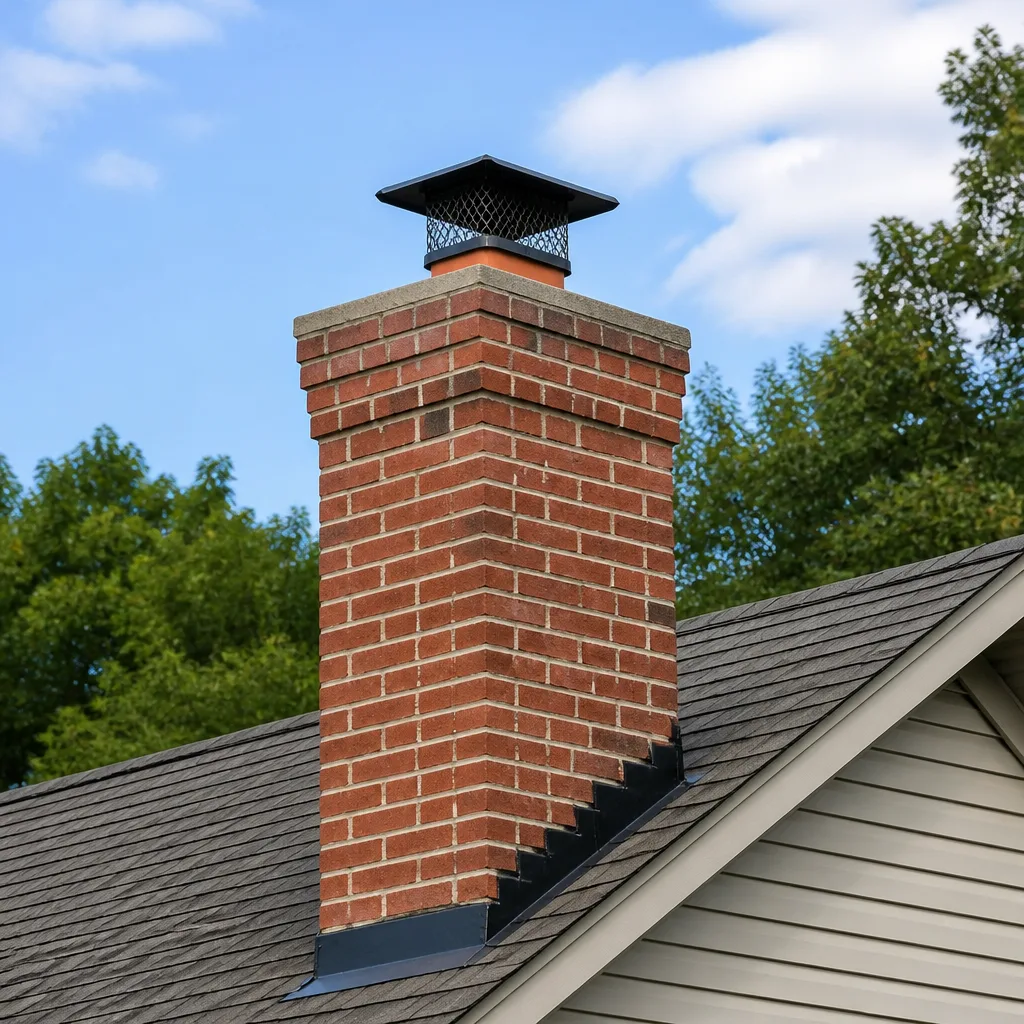 Masonry repair
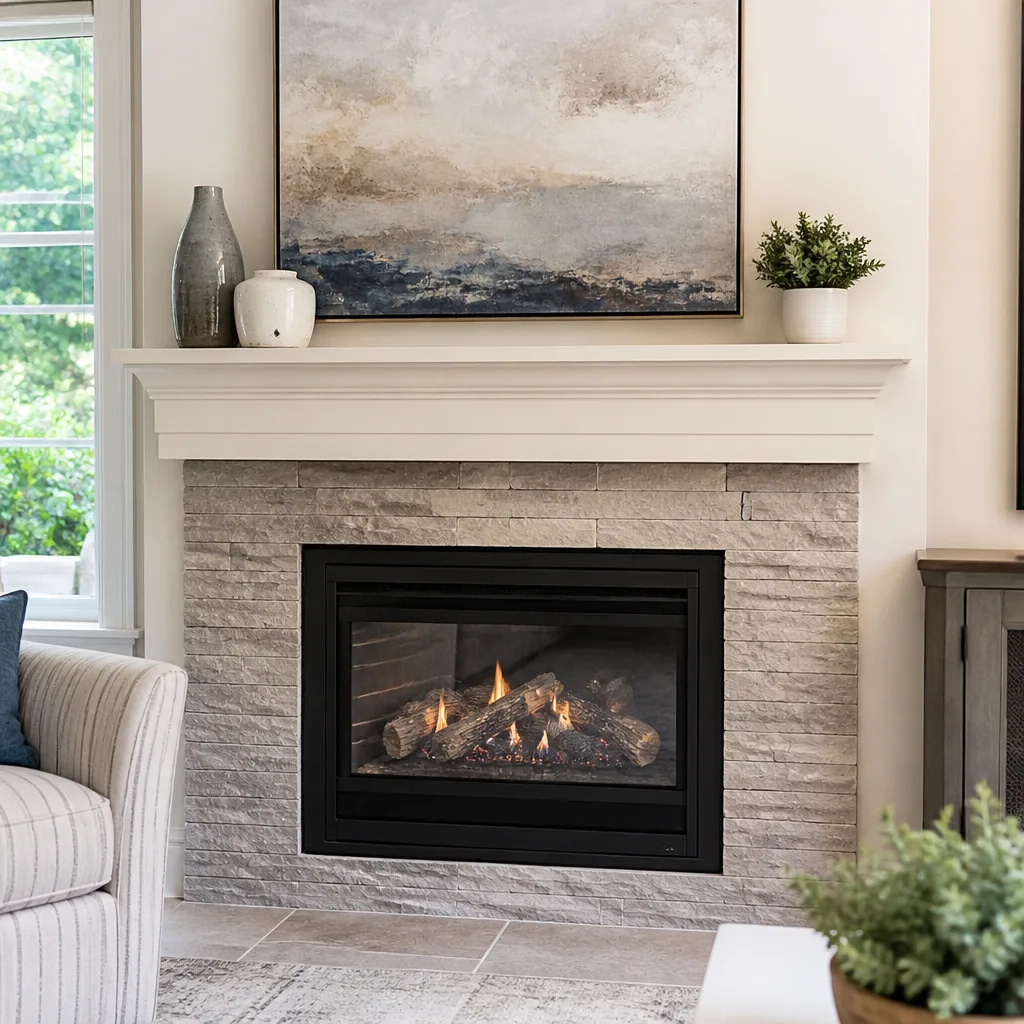 Gas fireplace service
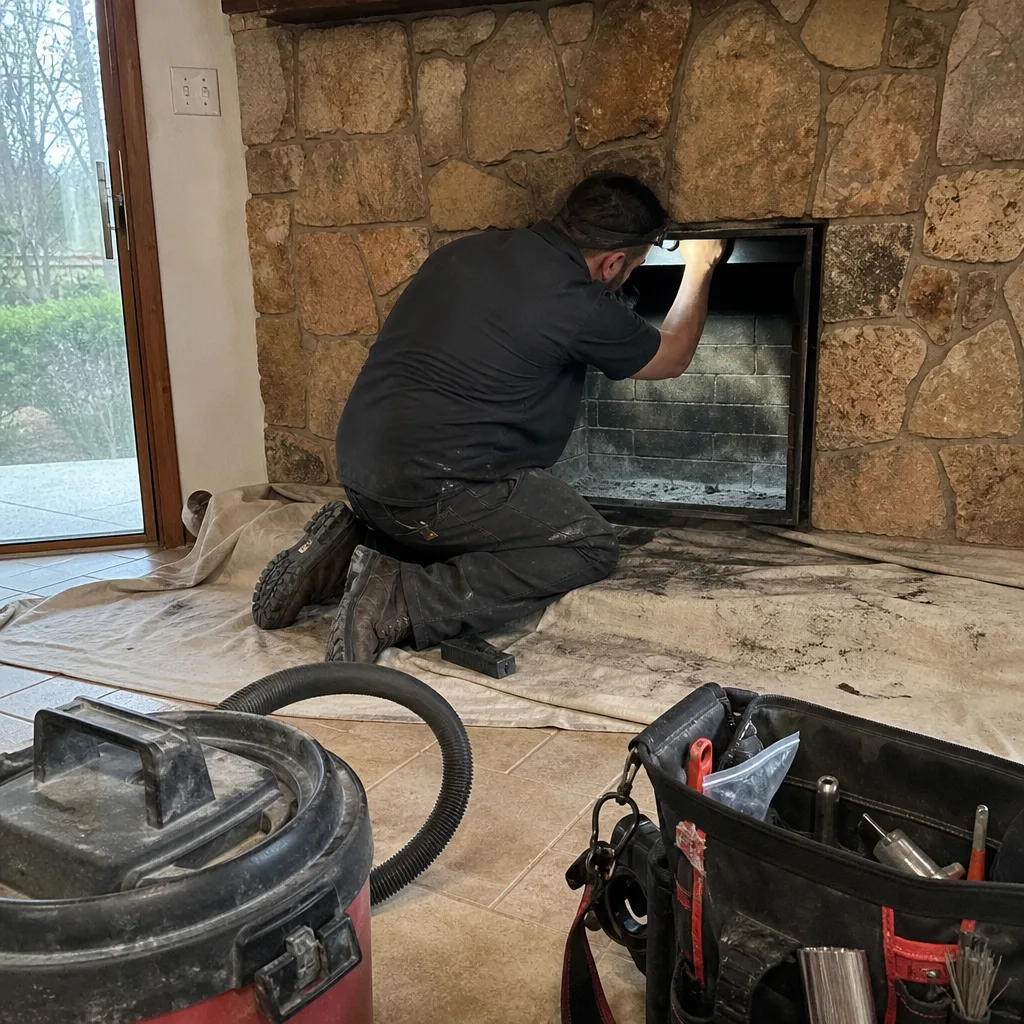
Level 1 sweep and inspection to the NFPA 211 annual standard - flue, crown, cap, and flashing checked and photographed
Chimney sweep logs do not sweep chimneys. They loosen some creosote - which then falls where a brush and vacuum still have to collect it.
Chimney Cleaning Cost Breakdown: The Casa View Homeowner’s Reference for 2026
Most homeowners assume a chimney sweep is a chimney sweep. The $89 coupon in the mail advertises the same thing the $300 quote describes, so why the gap? That assumption is where budgets go sideways. The truth is that “chimney cleaning” is not one service – it’s a bundle of very different tasks with very different price tags, and two quotes can be hundreds of dollars apart simply because they don’t include the same work. In Casa View, where mature homes often carry original masonry chimneys and wood-burning fireplaces that get steady winter use, we’ve watched homeowners pay for the cheap sweep, then pay again two weeks later for the repairs the cheap sweep never mentioned. This guide breaks down every line item you might see on a chimney invoice in 2026, explains what actually drives the price up or down in the North Texas market, and shows you how to read a bid closely enough to know whether you’re comparing equivalent scopes or being set up for an upsell.
Styles & brands we work with
- Sweep & inspection
- Caps & crowns
- Flue relining
- Masonry repair
- Gas fireplace service
Quick Answer
Chimney cleaning in Casa View typically runs $150 to $350 for a standard sweep and Level I inspection, with a Level II inspection (which adds camera work and a written report) often landing in the $250 to $500 range. Repairs are separate: a liner repair can run $800 to $2,000, a full flue reline with a DuraFlex flexible liner generally falls between $2,500 and $4,500, and a cap or crown replacement usually runs $300 to $900 depending on material and size. Quotes that come in dramatically below those ranges usually signal a shorter scope, not a better deal.
Table of Contents
- What Every Line on a Chimney Invoice Actually Means
- What Drives Chimney Service Prices in the Casa View Market
- The Real Cost of Deferred Chimney Maintenance
- How to Read a Chimney Quote for Material Specifications
- Fair Price Ranges for 2026 in the North Texas Market
- Why the $89 Sweep Is Usually Not the Cheap Option
- Chimney Specialists vs. Generalist Handymen
- What to Expect From a Real Chimney Service Visit
- Common Mistakes to Avoid
- When to Call a Professional
- Frequently Asked Questions
- The Bottom Line
What Every Line on a Chimney Invoice Actually Means
Before you can compare two quotes, you need to know what you’re comparing. A chimney invoice can contain a dozen distinct services, and the terminology shifts between companies. Here’s what each line typically covers, and why the price varies so much between them.
Sweep and Inspection
A basic sweep removes creosote and soot from the flue and firebox. That’s the physical cleaning. The inspection that should accompany it is a separate function – it documents the condition of the flue, firebox, damper, crown and cap. A Level I inspection is visual only and covers the readily accessible portions of the system. A Level II inspection adds a video camera run through the flue and is the one to specify if you’re buying a home, had a chimney fire, or changed your appliance type. The video is what catches liner cracks and offset damage a visual pass can’t see.
Caps and Crowns
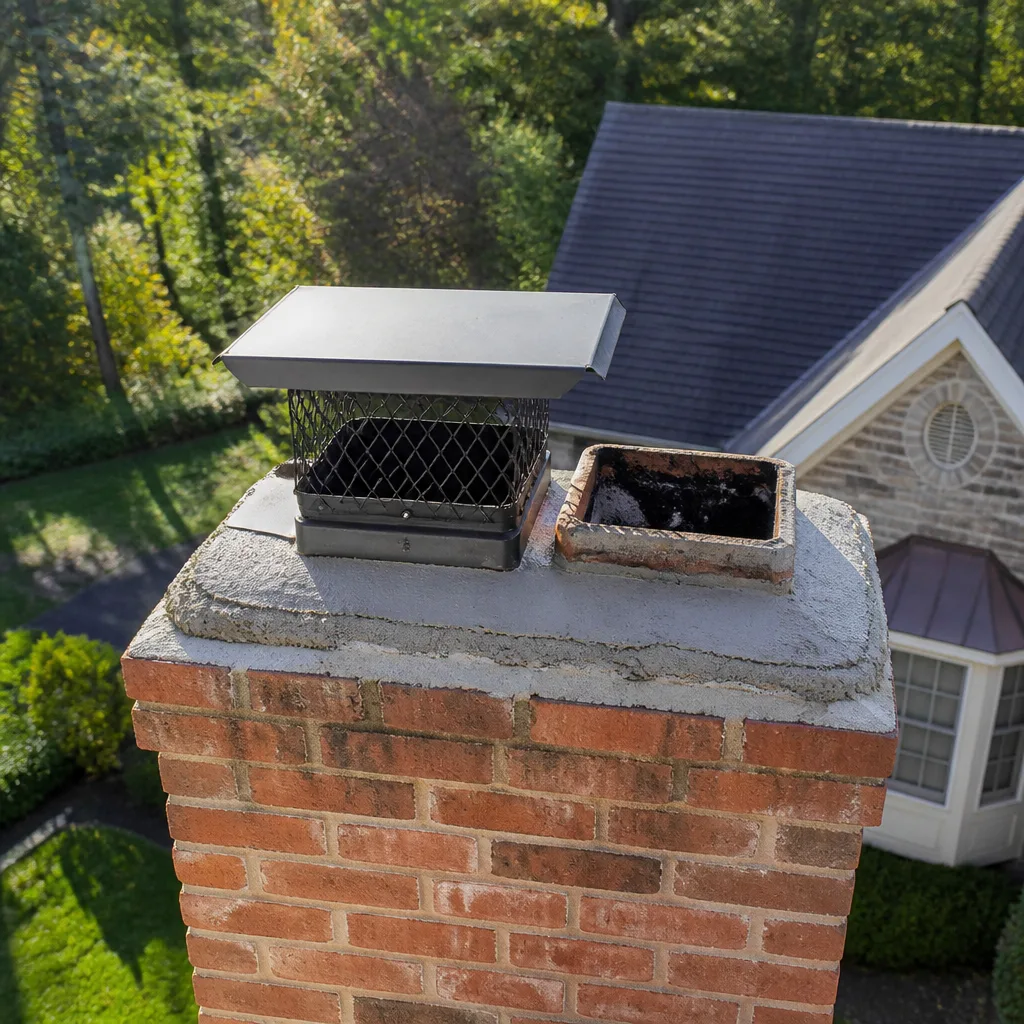
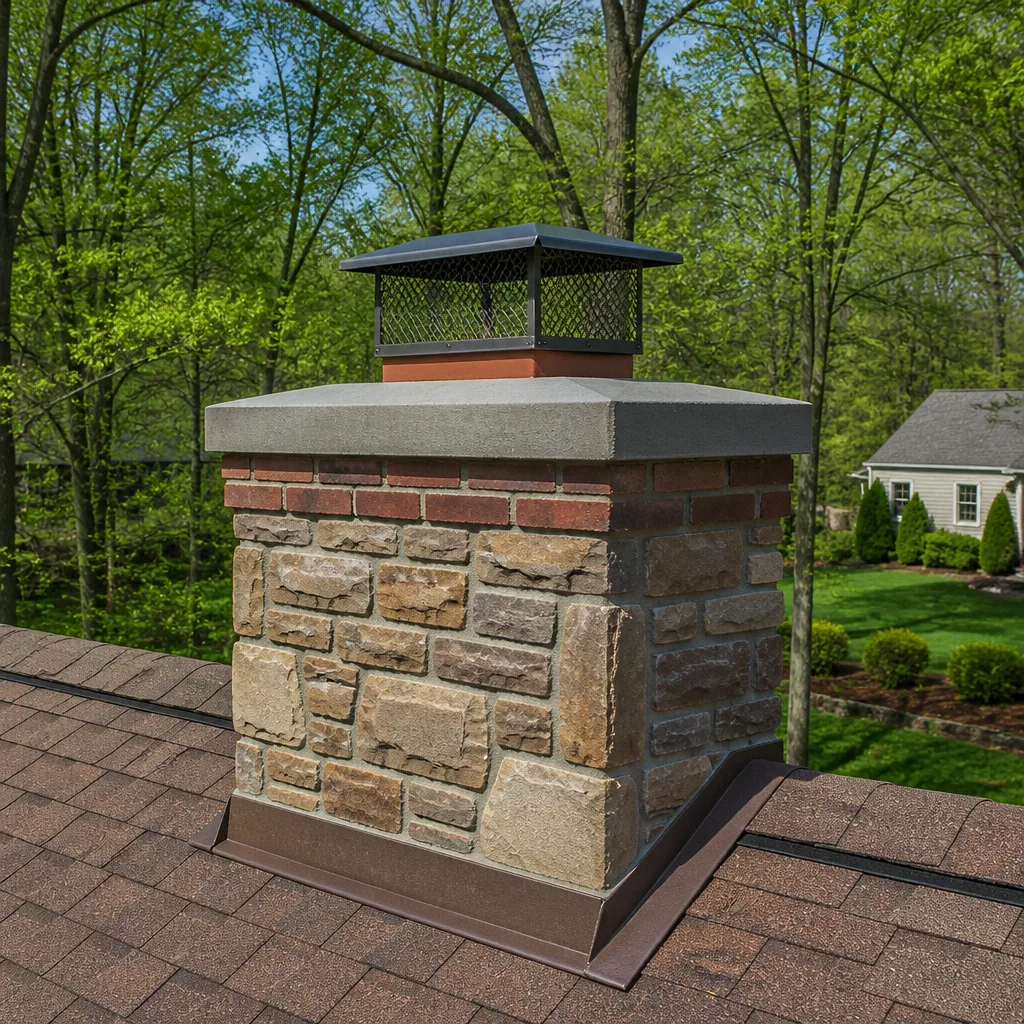
A chimney cap covers the top of the flue and keeps out rain, birds and debris. A crown is the sloped concrete surface at the top of the chimney that sheds water away from the brick. When we install caps and crowns in Casa View, we use Gelco and Famco components rather than the undersized sheet-metal products sold at hardware stores – the difference is material gauge and how well the cap fits the flue opening. A flat hardware-store cap that doesn’t seat properly leaves gaps for water and wildlife, which defeats the purpose.
Liner Repair and Relining
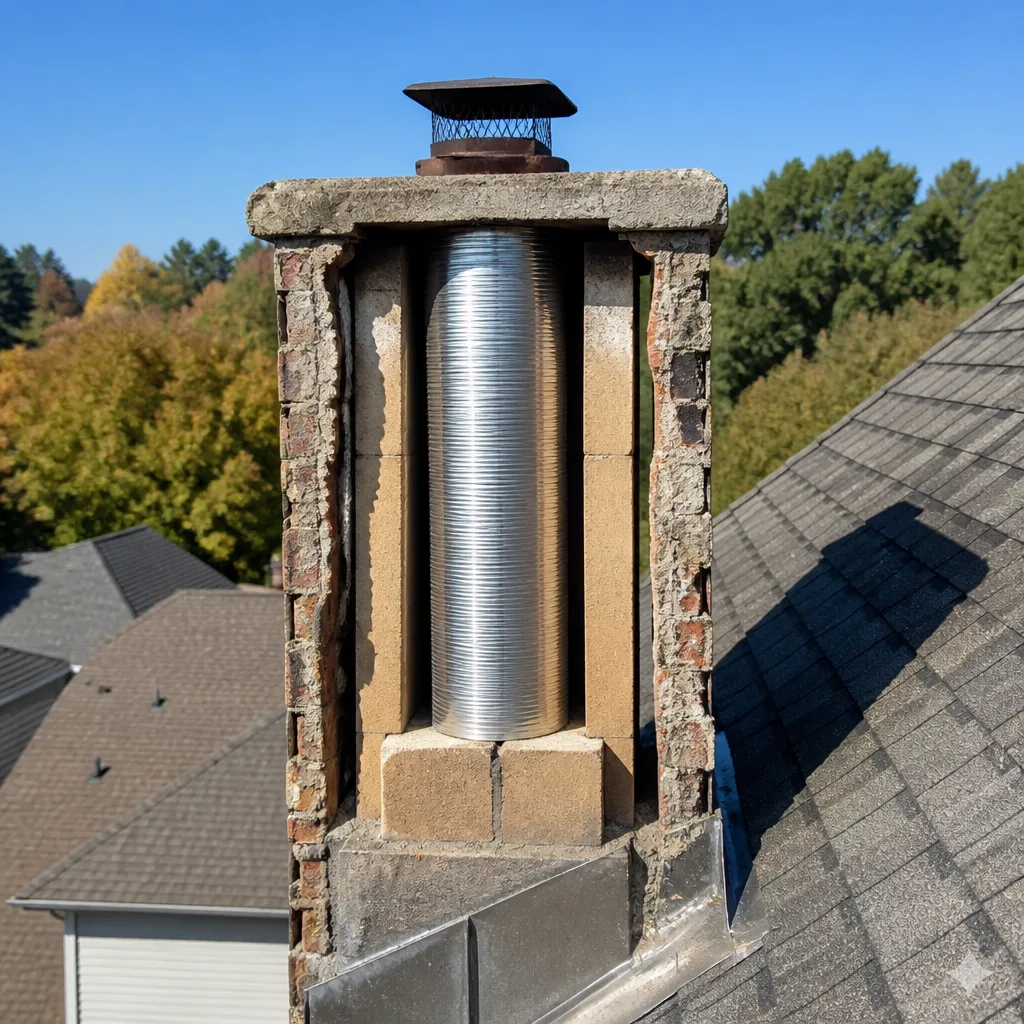
Two very different jobs share this category. HeatShield is a ceramic resurfacing system that repairs cracks and minor deterioration inside an existing liner without demolition – it’s applied as a paste and cures to form a new insulating surface. A full reline means installing a new liner, and DuraFlex flexible liner systems are the professional-grade option for most residential flues. We install and service DuraFlex as an authorized installer, and we apply HeatShield as a certified method to extend the life of a liner that can be saved.
Fireplace and Masonry Work
Firebox repair, damper replacement, brick repointing and smoke chamber work round out the invoice. These are the line items most homeowners don’t anticipate, and they’re also where a budget-minded contractor will pad a quote after the fact. If you’re comparing services, our fireplace repair page details what’s typically involved.
What Drives Chimney Service Prices in the Casa View Market
Two quotes for the same nominal service can be $200 apart. Here’s what actually accounts for the gap in the Casa View area and across the North Texas market.
1. Crew Certification and Training
A technician trained to inspect chimney systems and evaluate liner condition has more overhead than one who sweeps and leaves. That overhead shows up in the price. It also shows up in the report you receive: a trained technician tells you what they saw and why it matters, and doesn’t upsell from a verbal “looks fine.”
2. Material Grade
The same nominal “chimney cap” can cost a contractor $40 or $200 depending on material and gauge. A generic sheet-metal cap from a big-box store doesn’t compare to a Gelco or Famco cap built to fit a specific flue dimension. On the liner side, a flexible liner is not a commodity – gauge, alloy and construction method vary widely, and a cheaper liner may not hold up as long as the warranty suggests. We source from DuraFlex, Olympia Chimney and Copperfield because those brands are the ones masonry contractors specify for restoration-grade work, not residential substitute lines.
3. Diagnostic Scope Included
A sweep at $89 usually includes a visual pass and nothing else. A sweep at $250 may include a Level I inspection with a written report, photos, and a camera run if the technician sees anything concerning. When you pay more, you’re usually buying documentation and diagnostic work, not just a longer sweep.
4. Access and Roofline Complexity
A straight, single-story flue is a different job from a chimney with a steep roof pitch, a cap that needs removing, or a firebox that has been sealed for years. Labor time is the variable here, and it’s a fair reason for two quotes to differ.
5. Truck and Equipment Overhead
Camera equipment, drop cloths and chimney vacuums are not free. Companies that carry proper equipment price their work to cover it. That’s a legitimate reason for a higher bid, not a sign of padding.
The Real Cost of Deferred Chimney Maintenance
The most expensive chimney is the one you ignore. A chimney fire is a serious safety risk, carbon monoxide is a genuine concern with blocked or damaged flues, and both are reasons to act on a documented problem rather than waiting until the next season. But the financial argument alone is worth spelling out, because it’s simple arithmetic.
A sweep and Level I inspection in Casa View typically costs $150 to $350. A Level II inspection, if you haven’t had one recently or the home is new to you, runs $250 to $500. Against those numbers, consider a few of the repairs a deferred chimney tends to accumulate:
- Liner repair with HeatShield resurfacing: typically $800 to $2,000 – a fraction of a full reline, and available only if damage is caught before the liner deteriorates further.
- Full reline with a DuraFlex flexible liner: typically $2,500 to $4,500 on a residential chimney.
- Crown replacement: typically $500 to $900, and necessary once water has undermined the concrete at the top of the chimney.
- Firebox and masonry repair: costs vary widely with the extent of the damage, but repairs are consistently more expensive once water has worked into the brick.
Add those together and you see the pattern: the repairs a $250 annual inspection is designed to catch early cost several times more when they’re caught late. Small ignored creosote buildup becomes a liner-burning event. A cracked crown that lets water in over a few North Texas summers turns into repointing and a chimney rebuild. The inspection isn’t the cost – it’s the insurance against a much larger cost. What we tell Casa View homeowners is that a documented sweep every year, with the report kept and compared year over year, is the cheapest way to own a chimney.
How to Read a Chimney Quote for Material Specifications
A chimney quote that doesn’t name the materials is not a real quote – it’s an estimate of labor. Here’s how to read what you’re getting, line by line.
- Look for the liner brand and gauge. A liner quote should name the manufacturer (DuraFlex, for example) and the model or gauge. If it just says “liner installation,” you don’t know what you’re buying. Ask for the specification in writing.
- Ask what resurfacing method is specified. If the quote mentions a liner coating but doesn’t name the system, ask whether it’s HeatShield or a generic alternative. HeatShield is a multi-step ceramic application, not a spray-on coating, and the application method matters.
- Confirm cap and crown materials. “New cap” is not a specification. Ask for the manufacturer and material (Gelco and Famco are the two we source from for residential work). A cap that isn’t sized to your flue is a decorative object, not weather protection.
- Check the inspection level. Is the quote for a Level I or Level II inspection? A Level II includes camera work and a written report. If the quote says “inspection” without specifying the level, ask.
- Look for what’s excluded. A quote that covers sweep and inspection but doesn’t mention masonry, water damage or firebox repair may be complete – or the company may be planning to quote those separately once they’re on the roof. Either way, ask before you book.
- Ask whether the estimate is written and flat-price. A flat-price estimate written before the work starts is the standard we hold to, because it lets you compare bids apples to apples.
If a contractor can’t or won’t put the brand, gauge and method in writing, that’s a signature of an incomplete bid, not a friendly handshake. The bid is the contract; the brand is the proof.
Fair Price Ranges for 2026 in the North Texas Market
Here’s our best picture of what Casa View and North Texas homeowners should expect to pay for chimney work in 2026. These are typical ranges from a professional chimney contractor, and every price depends on the specific chimney – the written estimate on your job sets the final number.
| Service | Typical 2026 Range | What’s Usually Included |
|---|---|---|
| Standard sweep | $150 – $350 | Creosote removal, Level I inspection, photos |
| Level II inspection | $250 – $500 | Camera run through the flue, written report, photo documentation |
| Chimney cap replacement | $300 – $700 | Gelco or Famco cap sized to the flue, installation |
| Crown repair or replacement | $500 – $900 | Removal, new crown, sealing against water intrusion |
| HeatShield liner resurfacing | $800 – $2,000 | Ceramic resurfacing, no demolition, warrantied repair |
| DuraFlex full reline | $2,500 – $4,500 | Flexible liner, insulation, cap refit |
| Firebox or masonry repair | Varies with extent | Diagnosed after inspection, price set by written estimate |
Those ranges describe the middle of the market. Below $150 for a sweep, and the question to ask is what isn’t included. Somewhere between $89 and $150, you’re usually getting a visual sweep with no written report and no documentation – which means no baseline for future years and nothing to hand an insurer or a home inspector. Above the top of the range, the question is what the quote includes: larger chimneys, more complex rooflines and multiple flues will all push a price up legitimately, but so will an upsell. That’s what a written, itemized quote protects you against.
Why the $89 Sweep Is Usually Not the Cheap Option
The $89 sweep special exists, and it’s not dishonest on its face. What it usually buys is a visual pass and a verbal “looks fine,” with no written report. That has three consequences worth naming.
- No documentation. If your insurer or a home inspector asks about the chimney, you have nothing to show. A written report with photos is the standard we hold ourselves to, and it’s what most real quotes include.
- No baseline. Part of what makes an inspection useful is comparison year over year. A verbal pass is not comparable; a report is.
- No accountability. If the liner turns out to be cracked a few months later, a verbal “looks fine” gives you no recourse. There’s no written record of what was and wasn’t checked.
The other thing $89 buys is a technician on your roof who now has access to your chimney and a strong incentive to sell you a repair. This is the under-bid-and-upsell model, and it’s the most common way homeowners end up paying three times what a fair quote would have cost. That’s why we write the flat price before the sweep starts, do the inspection as part of the service, and show the camera footage and photo report before recommending anything. The best defense against an upsell is a bid that names what it covers before anyone climbs on your roof.
Chimney Specialists vs. Generalist Handymen
One question that matters more than most: is the person on your roof a chimney specialist or a handyman who also sweeps chimneys? The difference shows up in three places.
Diagnosis versus cleaning. A generalist cleans. A specialist evaluates the whole system – liner, crown, cap, firebox, damper – and tells you what condition each is in. Swept and gone is a cleaning. Evaluated and documented is a service.
Materials and scope. When a liner is cracked, the specialist has a path for it. That might be HeatShield resurfacing if the damage is contained, or a full DuraFlex reline if it isn’t. A generalist who doesn’t install liners has to hand the job to someone else, which means more people touching your chimney and no single point of responsibility. We do inspection, sweeping, cap and crown work, liner service and masonry repair under the same company specifically to avoid that hand-off.
Accountability. The thing our customers tell us they were looking for after a bad experience elsewhere is one crew, start to finish. Inspection, diagnosis and repair handled by the same team means no finger-pointing between the sweep guy and the liner guy. That’s what we mean when we say we use the same materials professional restoration contractors specify. It’s not a marketing line; it’s the difference between a repair that lasts and one that doesn’t.
What to Expect From a Real Chimney Service Visit
A real chimney service visit follows a predictable sequence. Here’s what should happen when a chimney specialist arrives at your Casa View home.
- Pre-service walkthrough. The technician reviews the chimney’s history with you: what appliance is on it, when it was last swept, whether any chimney fire has occurred, and any signs you’ve noticed (smoke backdraft, odor, soot at the firebox).
- Setup and protection. Drop cloths and a chimney vacuum protect the room. If the firebox has been sealed or the damper is stuck, that gets noted.
- The sweep. Creosote and soot are removed from the flue and firebox. The grade of creosote matters – heavier deposits require different methods, and the technician should tell you what grade was found.
- The inspection. Visual and, if you’ve spec’d a Level II, camera. Every critical joint and surface gets checked – liner, crown, cap, damper, firebox, smoke chamber.
- The report. Photo documentation and a written report. Nothing is recommended without the evidence to confirm it.
- The conversation. You get the diagnosis in plain language: what’s fine, what needs attention, and what can safely wait. There’s a difference, and a real specialist will say so.
If you’re booking a chimney sweep, ask whether the inspection and report are included in the price before you book. A lot of price ranges open up right there. If a chimney cap and crown are on the list, that work is a separate line item and should be itemized in the quote.
Common Mistakes to Avoid
- Booking a sweep without asking if a written report is included. The report is what you keep. A verbal pass isn’t worth the paper it isn’t printed on, and it leaves you no documentation for insurance or resale.
- Comparing a visual-level quote to a camera-level quote. A Level I and a Level II are not the same service, and a quote for one against a quote for the other isn’t a fair comparison. Check the inspection level before you compare price.
- Accepting a repair recommendation without seeing the evidence. If a technician says you need a reline, ask to see the camera footage. We show ours. A reputable company will show theirs.
- Choosing a cap purely on price. An undersized sheet-metal cap from a big-box store won’t protect the flue the way a sized Gelco or Famco cap will. This is one place where the hardware store’s product genuinely doesn’t fit.
- Assuming a chimney liner is a commodity. Gauge and brand matter. A bid that doesn’t specify the DuraFlex model or equivalent isn’t telling you what you’re buying, and that’s the place where cheap liners cost more later.
- Skipping the annual sweep because “the chimney looks fine from the ground.” A flue condition can’t be assessed from the driveway, and the problems worth catching are exactly the ones you can’t see.
- Treating the cheapest quote as the final price. In chimney work, the lowest bid is often the first invoice, not the last. Ask what’s included, and confirm the written estimate is flat before the work starts.
When to Call a Professional
If any of these apply, it’s worth booking a service visit rather than waiting for the next season. If you’ve never had a documented inspection of the chimney, that’s reason enough. If your home is new to you and you don’t have the previous owner’s records, a Level II inspection will establish a baseline. If you’ve had a chimney fire, saw flames or heard a roar from the flue, or noticed black soot around the firebox, that’s an inspection priority. If smoke backs into the room when you burn, or the fire burns poorly, the flue may be blocked or the damper compromised. And if you smell a persistent creosote or smoke odor when the fireplace is not in use, there may be creosote deposits or a draft issue worth diagnosing. Chimney Sweep Casa View offers free estimates in Casa View – call (844) 947-2044. We answer 24/7. Fast dispatch from 7am to 7pm, Sunday through Friday. Every visit starts with a Chimney Sweep Casa View inspection that documents what’s there before any work is recommended, and we’ll tell you plainly when work can wait.
Frequently Asked Questions
Chimney cleaning in Casa View typically costs $150 to $350 for a standard sweep with Level I inspection, and $250 to $500 for a Level II inspection with camera work and a written report. The specific price depends on the condition of your flue and the access to your roofline. Call (844) 947-2044 for an exact quote – estimates are free.
Only if the existing liner is genuinely damaged, and the recommendation should always be backed by camera evidence you can see for yourself. A cracked or deteriorated liner is a real safety concern – it’s what separates the flue from the framing of your house – but many liners that look aged are still serviceable, and some can be repaired with HeatShield resurfacing rather than replaced. If a technician recommends a reline, ask to see the footage and ask whether resurfacing is an option. Call (844) 947-2044 for an honest diagnosis.
For most Casa View homes with regular fireplace use, once a year is the standard – typically just before the burning season. If you burn heavily, or if you’re burning wood that isn’t well seasoned, once a year may not be enough. An annual sweep with inspection is the minimum most chimney professionals recommend, and the written report lets you compare condition year over year. Call (844) 947-2044 to book yours.
Two things can happen. Creosote builds up in the flue and becomes a chimney fire risk; and small defects like a cracked crown or damaged liner go undetected long enough to turn into larger, more expensive repairs. The underlying risk – chimney fire and carbon monoxide from a blocked flue – is serious, and a documented annual inspection is the cheapest way to manage both. Call (844) 947-2044 to book an inspection before the next burning season.
Because the $99 sweep typically includes a visual pass and no written report, which means no documentation and no accountability. Those quotes also often function as an entry point for an upsell once the technician is on your roof. A quote that names what’s included – inspection level, report, and any repair scope – is the one you can compare fairly. Call (844) 947-2044 for a flat-price quote that names the scope.
Chimney cap replacement in Casa View generally runs $300 to $700, with the price depending on flue size, the material specified, and whether a crown repair is needed at the same time. We source caps from Gelco and Famco – sized to the flue rather than the hardware-store one-size-fits-most standard. Ask for the manufacturer in writing. Call (844) 947-2044 for an exact quote on your chimney; estimates are free.
The Bottom Line
Chimney cleaning prices in the Casa View area range from $89 to $800+ for what looks like the same service, and the difference is scope, materials and diagnostic work. A sweep with a written report is the baseline. A Level II inspection with camera work is the standard for a new home, a chimney fire, or any complaint about draft or smoke. Repair costs are separate and should always be backed by evidence you see yourself. Every quote should name the liner brand, the cap manufacturer and the inspection level before you book. If you want a chimney service where the flat price is written up front, the diagnosis comes with a photo report, and the recommendation is honest about whether work can wait, call Chimney Sweep Casa View at (844) 947-2044. We answer 24/7. Fast dispatch from 7am to 7pm, Sunday through Friday. Estimates are free, and we show the footage before we recommend a thing. If you’re looking at cap or crown work as part of your next visit, our chimney cap & crown page walks through what a proper install looks like.
Written by the team at Chimney Sweep Casa View.
See the difference
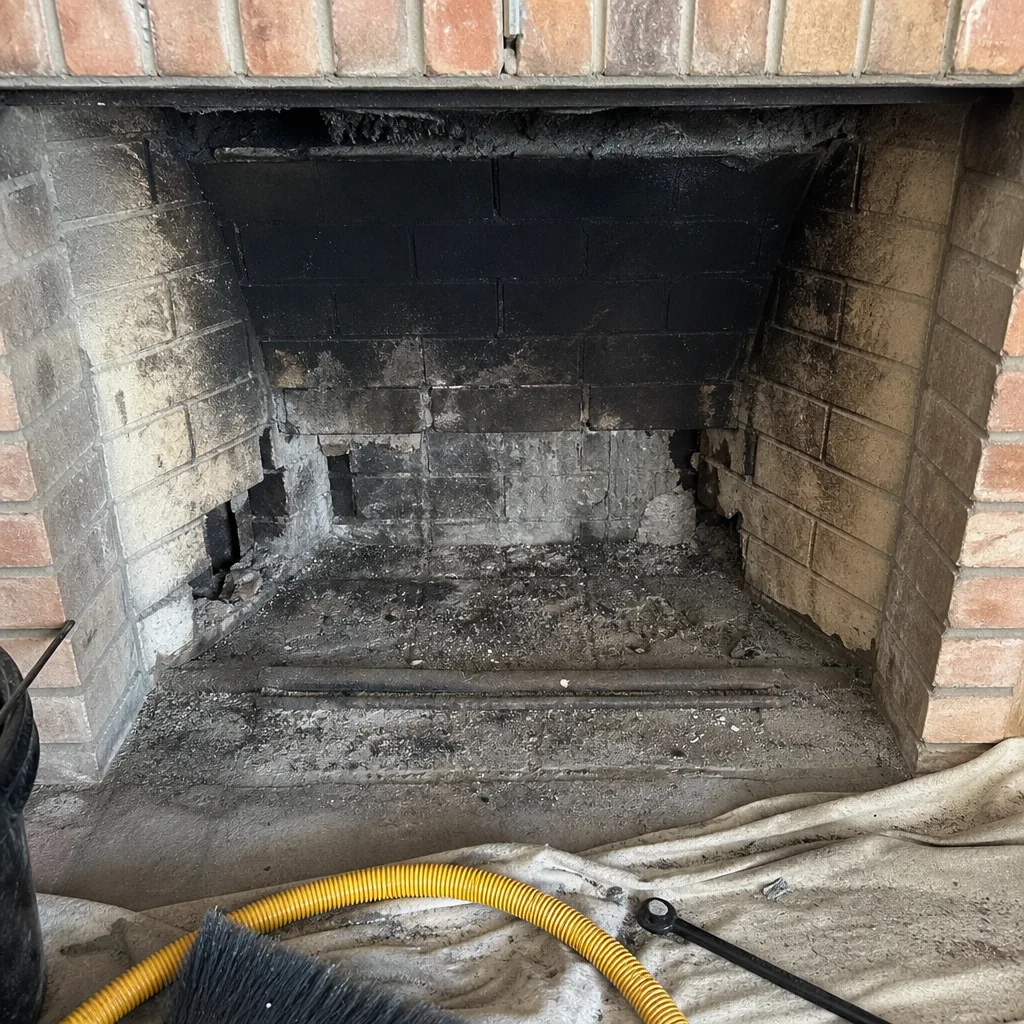 Before
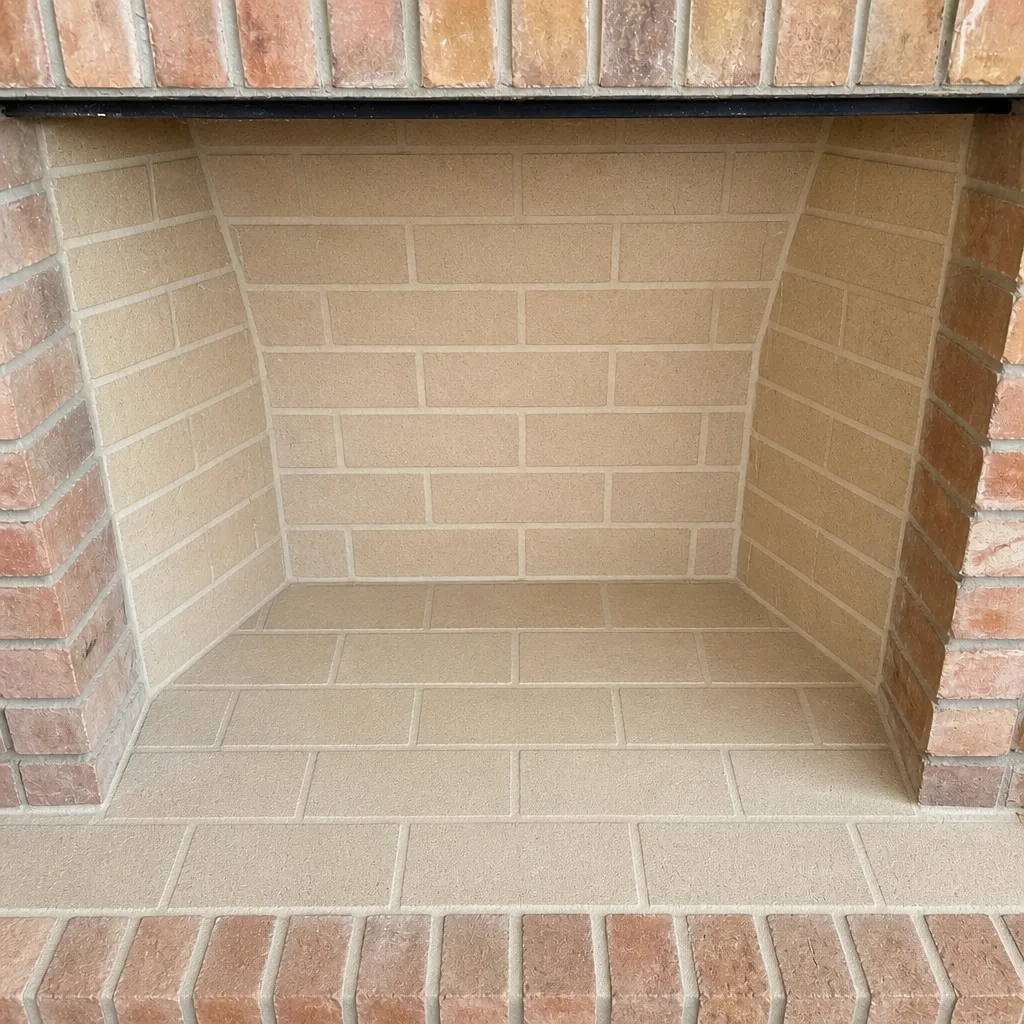 After
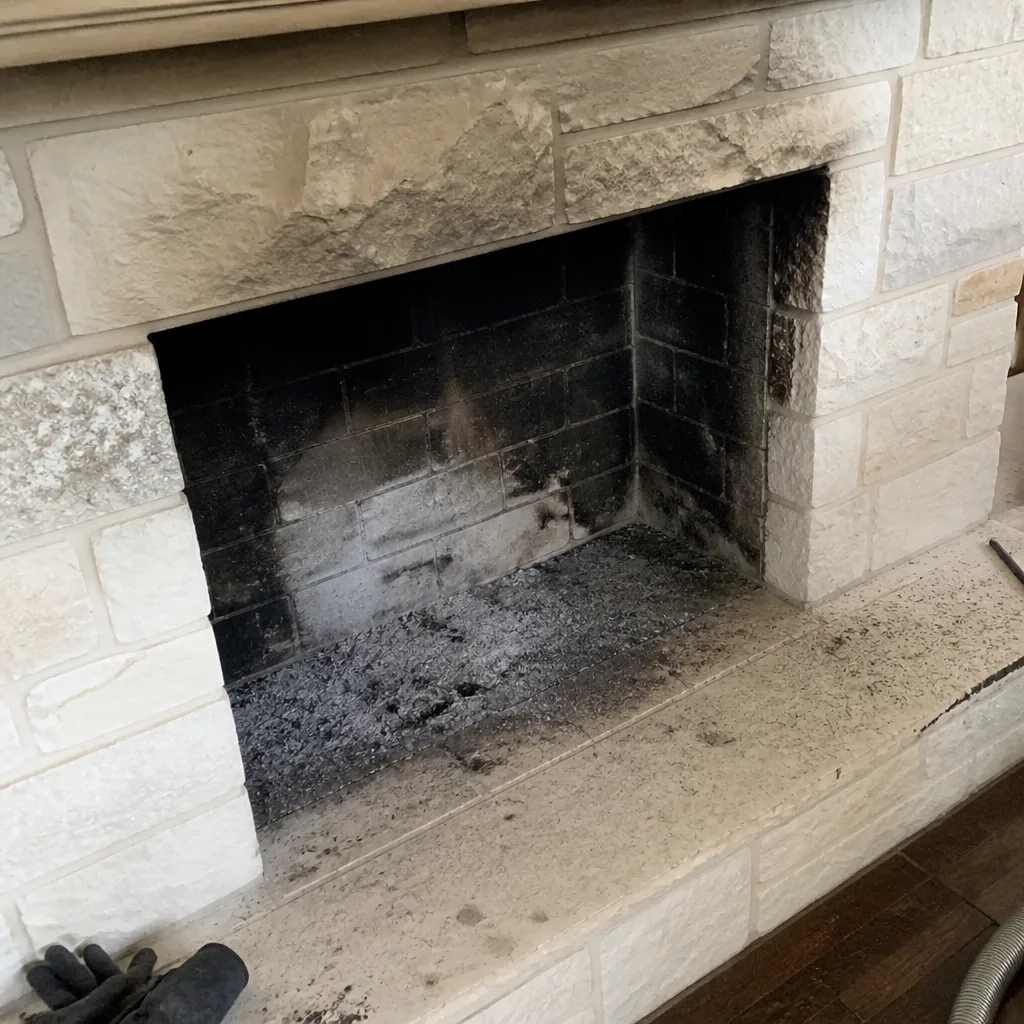 Before
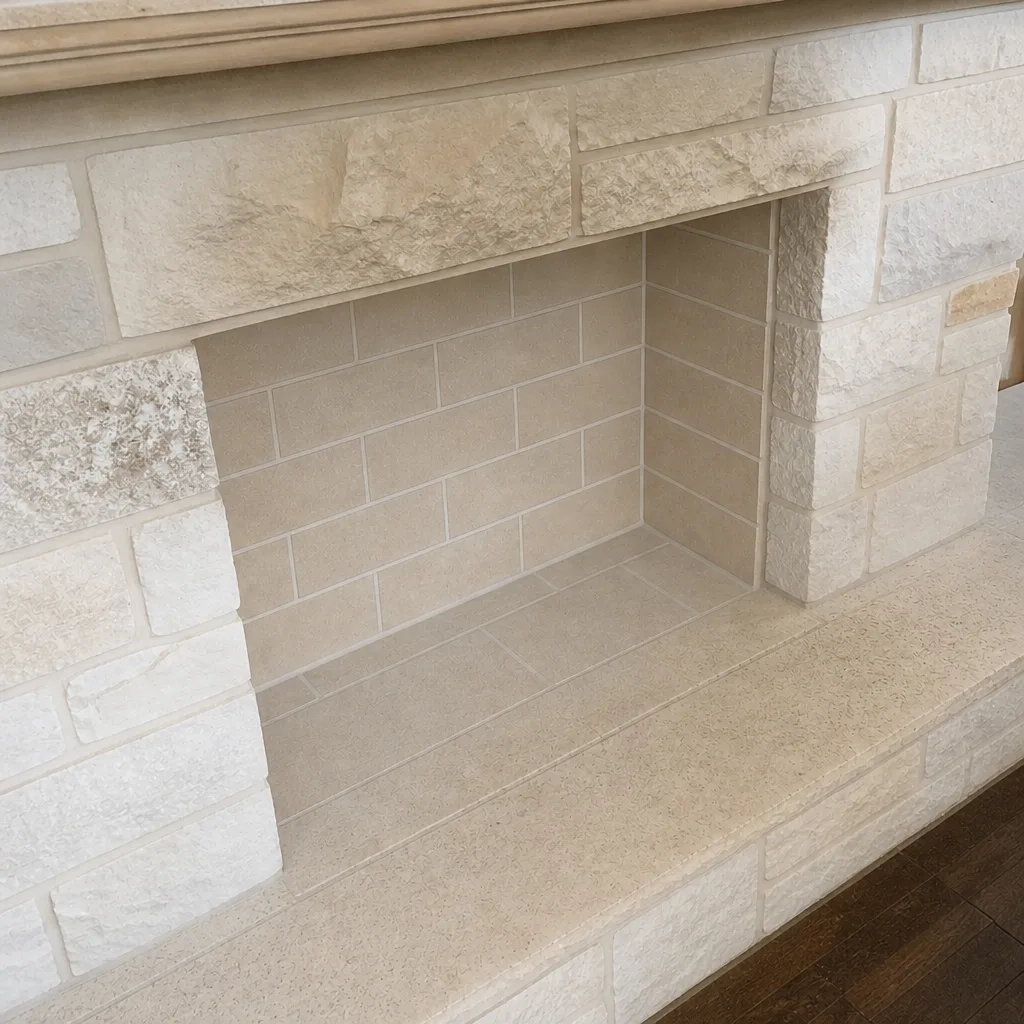 After
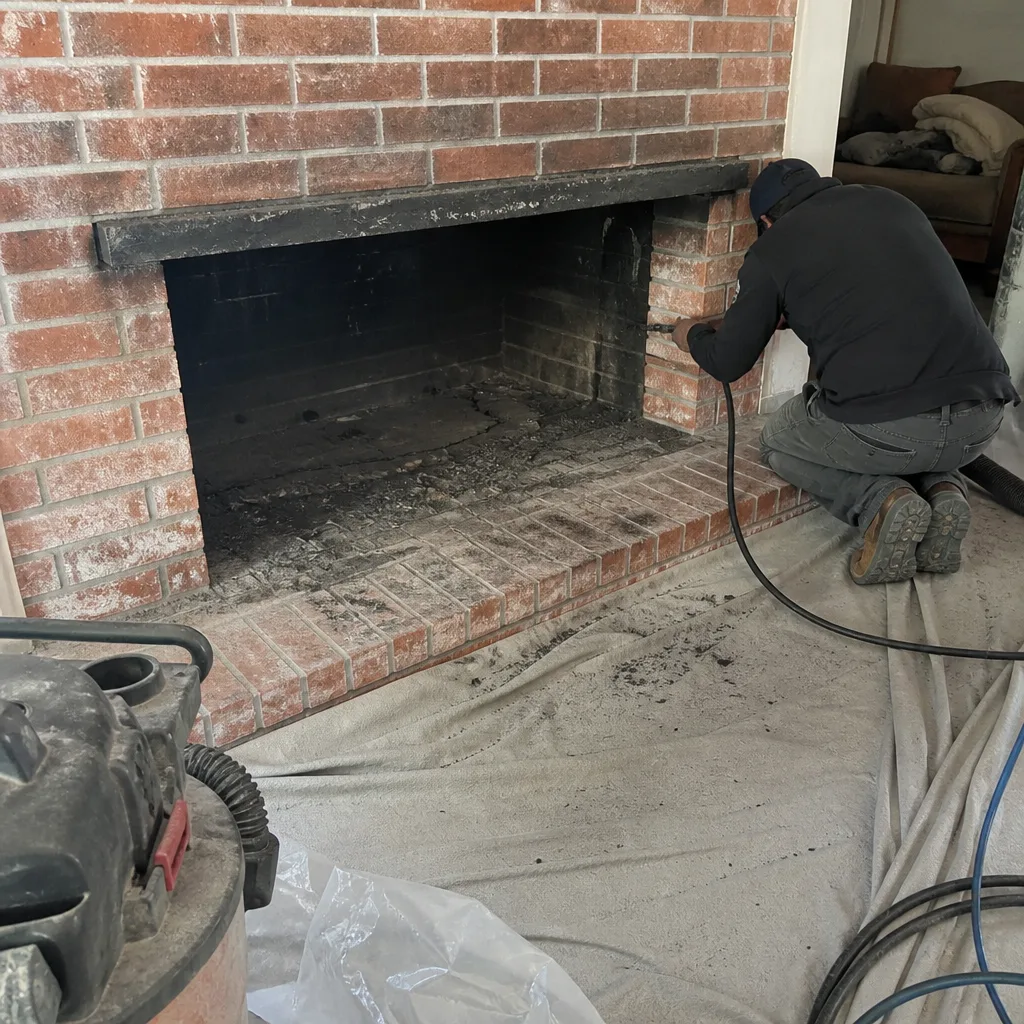 Before
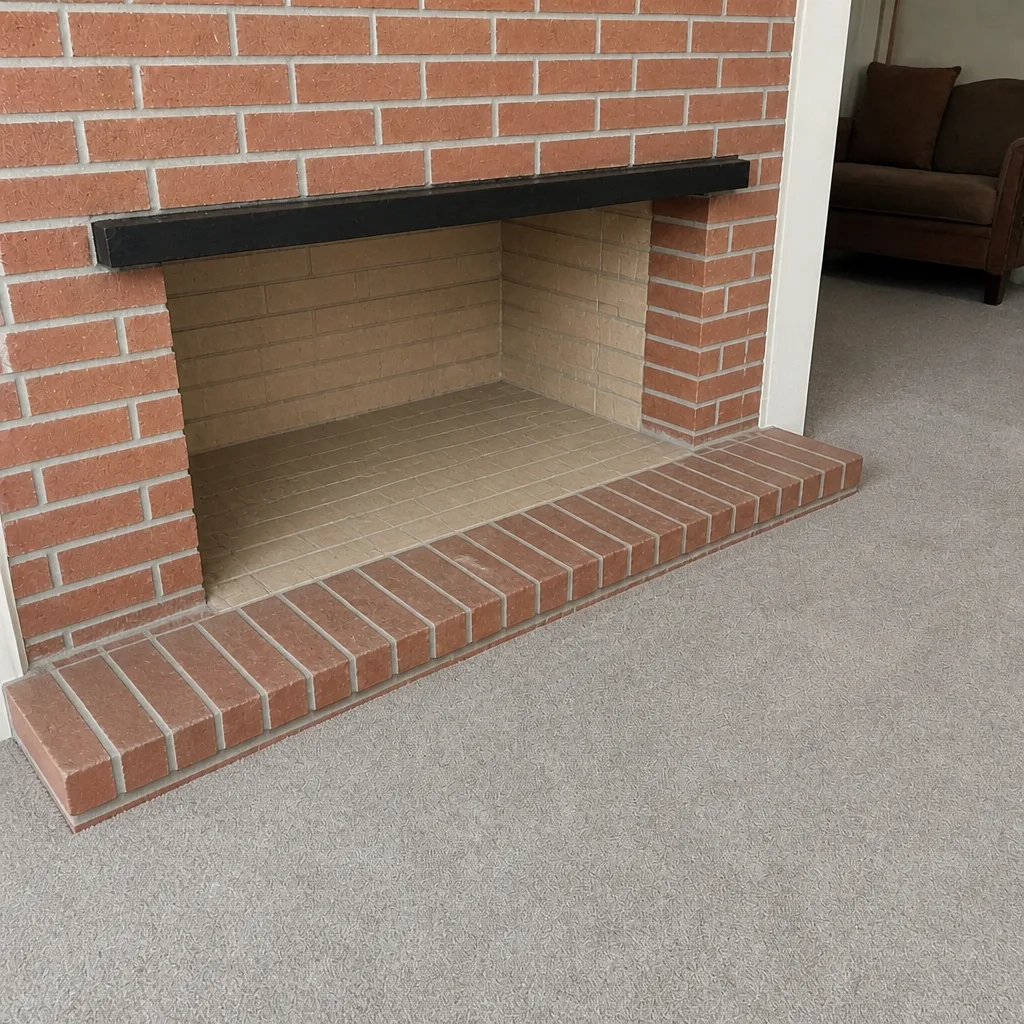 After