
Last updated November 25, 2026
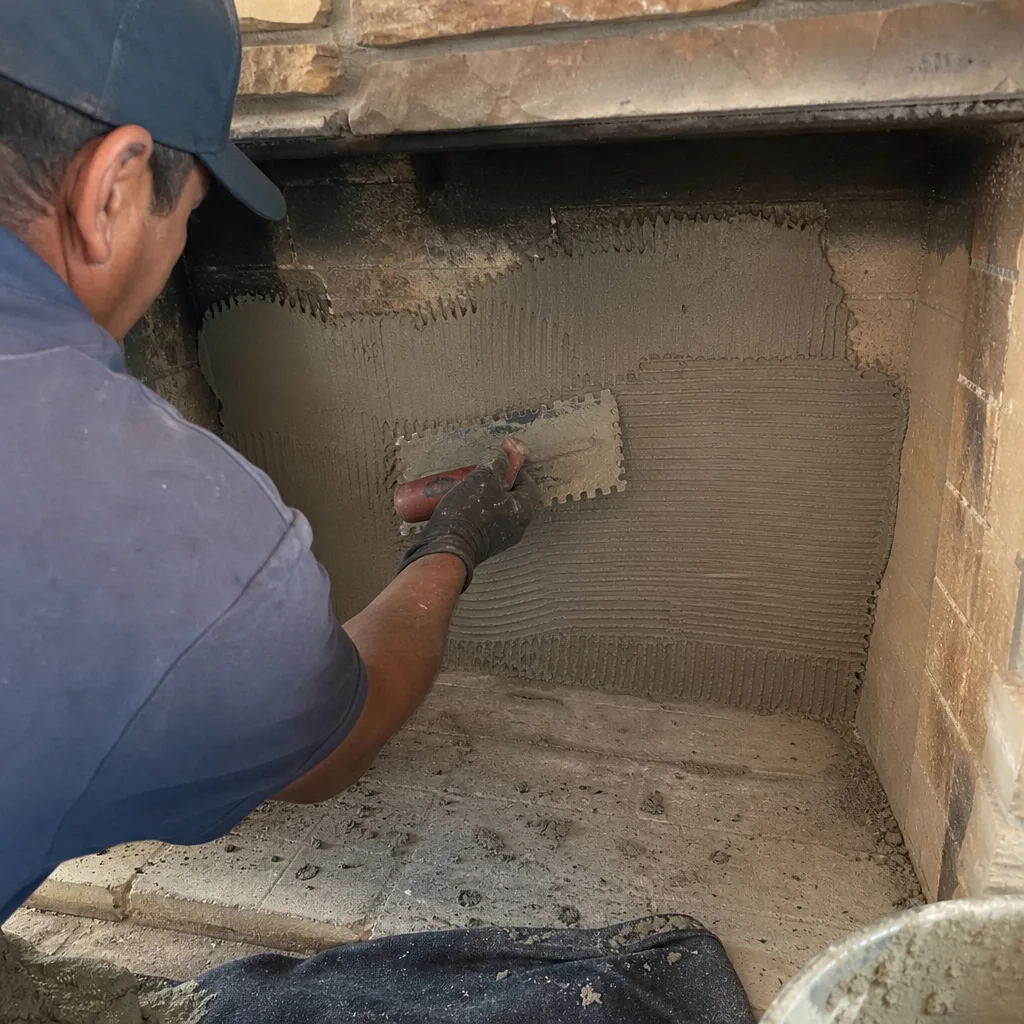
 Sweep & inspection
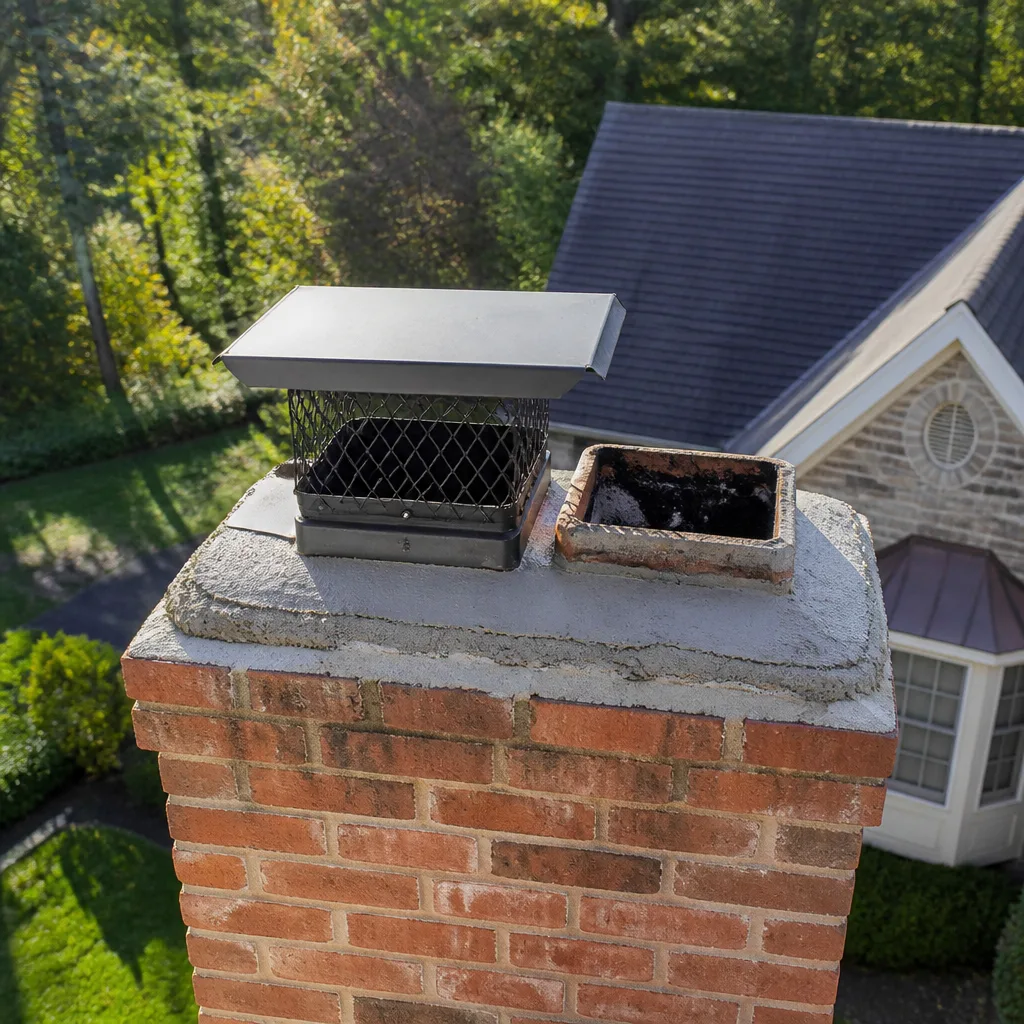
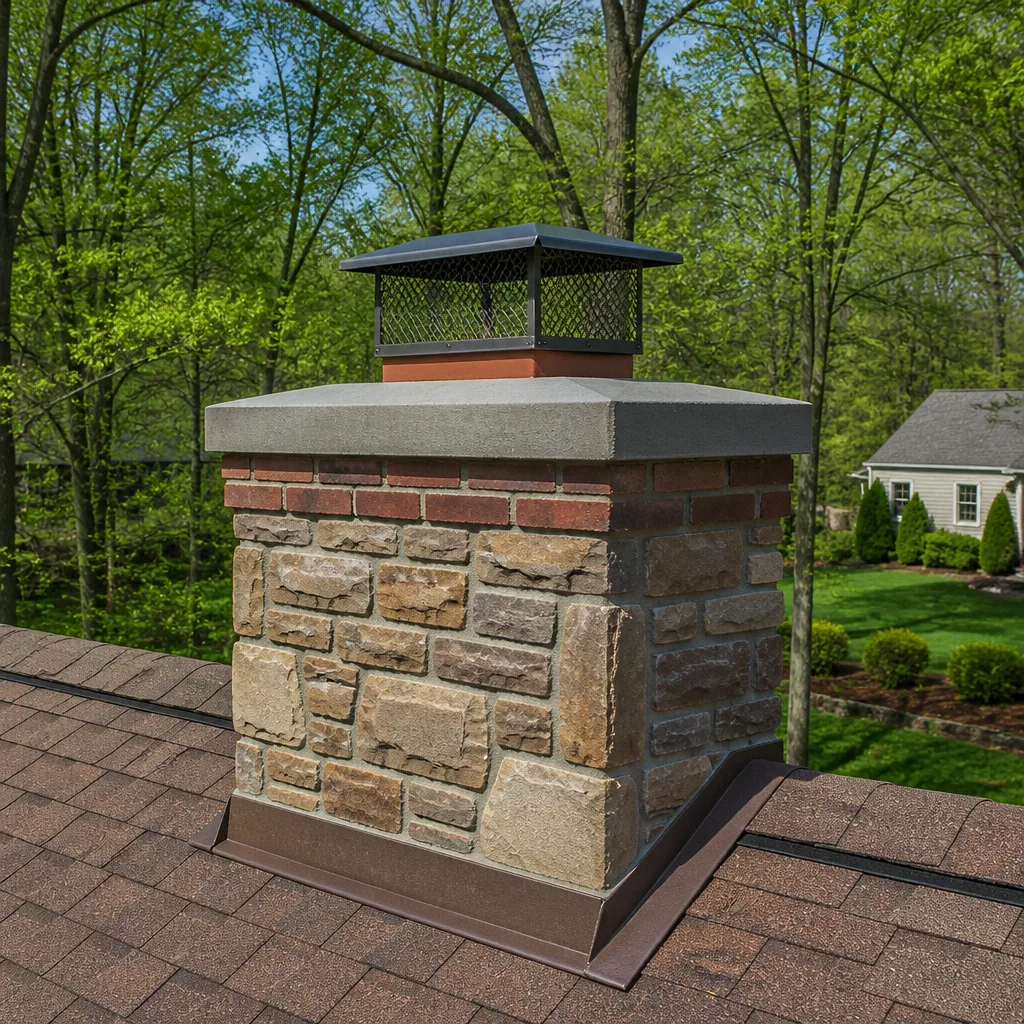 Caps & crowns
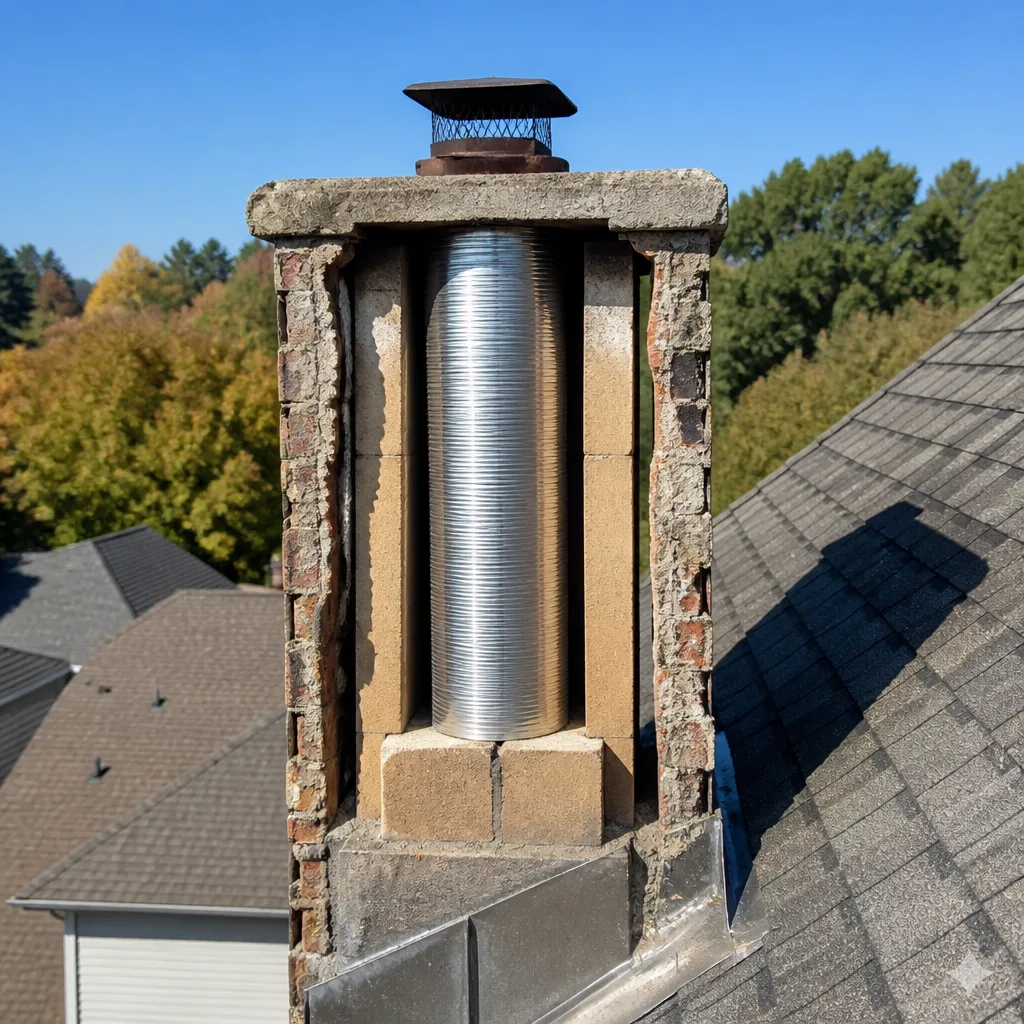 Flue relining
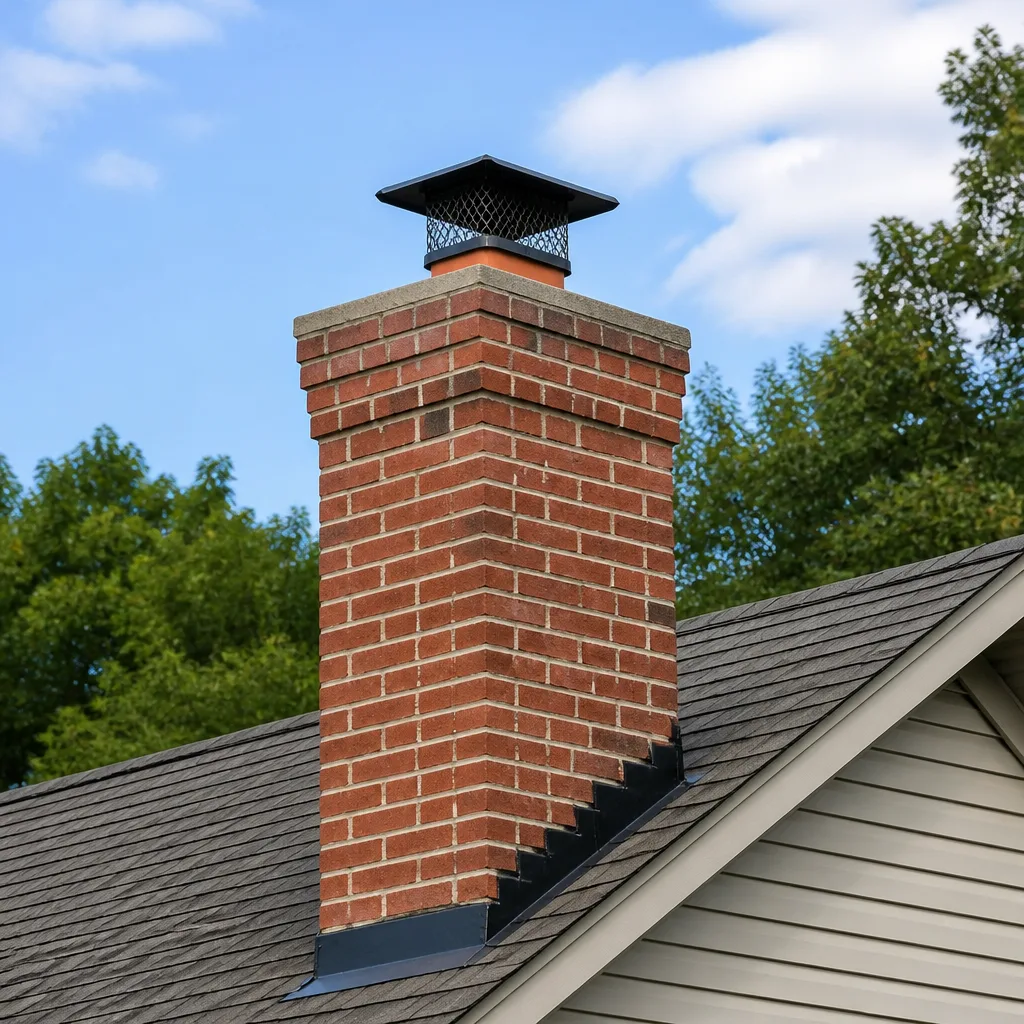 Masonry repair
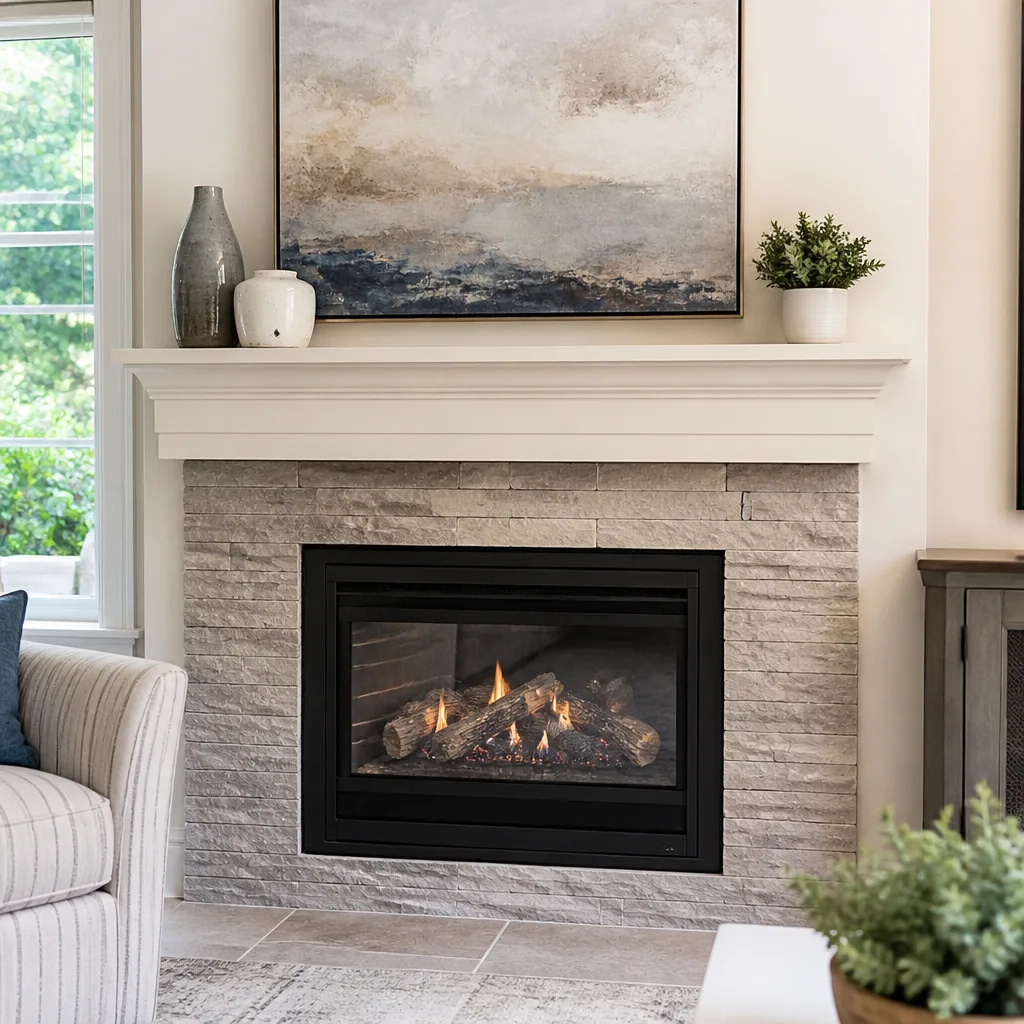 Gas fireplace service
Level 1 sweep and inspection to the NFPA 211 annual standard - flue, crown, cap, and flashing checked and photographed
Chimney sweep logs do not sweep chimneys. They loosen some creosote - which then falls where a brush and vacuum still have to collect it.
Chimney Cleaning Warning Signs: A Casa View Homeowner’s Reference Guide
White staining on the outside of a chimney looks cosmetic. It’s not. That chalky bloom is efflorescence, and it means water is moving through the masonry, dissolving salts inside the brick, and depositing them on the surface as the moisture escapes. The damage already happened behind the wall. The white stain is the receipt. Most warning sign lists stop at “look for this” and leave you guessing whether to book a sweep or stop using the fireplace tonight. This guide pairs each sign with a plain explanation of the system that’s failing and a clear urgency rating, so you can read your own chimney in Casa View and know what comes next.
Quick Answer
Chimney cleaning warning signs fall into two groups: signs that mean the flue is loaded with creosote and needs sweeping, and signs that mean something structural has failed and the fireplace shouldn’t be used until it’s repaired. Soot flakes on the hearth, a weak draft, and a smoky smell point to a dirty flue. Efflorescence, crumbling mortar, rusted metal, and a broken damper point to a failing system. The only way to know which one you’re facing is an inspection, and the physical signs in this guide tell you how fast to book one.
Styles & brands we work with
- Sweep & inspection
- Caps & crowns
- Flue relining
- Masonry repair
- Gas fireplace service
Table of Contents
- The Warning Sign Reference Table
- Three Warning Signs That Show Up More Often on North Texas Chimneys
- Cosmetic Aging vs. Active Structural Failure: How to Tell the Difference
- The Interior Signs Homeowners Overlook
- When Cleaning Fixes It and When Repair Comes First
- Reading Urgency: Four Tiers From Watch to Stop
- How to Walk Your Own Chimney in Five Steps
- Common Mistakes to Avoid
The Warning Sign Reference Table
This is the core of the guide. Each row tells you what you’ll actually see, what’s happening inside the system, and how to respond. Keep this table bookmarked, because chimney signs tend to accumulate quietly and you’ll want a place to look them up.
- White chalky staining on exterior brick. What it means: efflorescence, moisture moving through the masonry and leaving salt deposits on the surface. Urgency: schedule soon. The water intrusion is active even though the brick looks fine.
- Crumbling or flaking brick faces. What it means: spalling, where trapped moisture pushes brick apart from the inside until the face peels away. Urgency: schedule soon, and stop ignoring it. Once brick faces fall, the fix is masonry, not cleaning.
- Sandy, recessed mortar joints. What it means: mortar erosion, the joints are washing or wearing out faster than the brick, weakening the bond between courses. Urgency: schedule soon.
- Black soot or creosote on the firebox walls and damper. What it means: incomplete combustion and buildup in the flue. Urgency: schedule a sweep before the next fire.
- Soot flakes dropping onto the hearth. What it means: the flue has a loose layer of soot you’re shedding back into the room, often from a clogged or partially blocked flue. Urgency: stop using the fireplace until it’s swept.
- Smoke rolling into the room instead of up the flue. What it means: a blocked or undersized flue, or a damper that won’t open fully. Urgency: stop using the fireplace.
- A smoky, acrid odor when the fireplace isn’t in use. What it means: draft pulling air from a dirty flue back down into the house. Urgency: schedule a sweep.
- Rust on the damper, firebox, or cap. What it means: water is getting into the system somewhere. Urgency: schedule an inspection to find the entry point.
- A chimney crown that’s cracked, flaking, or pulling away from the flue. What it means: the crown isn’t shedding water anymore, so water is going straight down into the masonry. Urgency: schedule a crown repair.
- Missing or damaged chimney cap. What it means: rain, birds, and debris are entering the flue directly. Urgency: schedule a cap install.
- Animals, nests, or a chimney swift smell. What it means: the flue is open to the outside and something moved in. Urgency: stop using the fireplace until it’s cleared.
- Visible cracks in the flue tile liner. What it means: the barrier between the flue gases and the structure of the chimney has failed. Urgency: do not use the fireplace until it’s inspected further. This is the sign that can put carbon monoxide into the living space.
- A damper that won’t fully open, close, or seat properly. What it means: an obstruction, broken linkage, or warped damper plate. Urgency: stop using the fireplace and get it checked.
- Heat or staining on the framing around the chimney chase. What it means: heat transfer or water reaching wood in the framing. Urgency: stop using the fireplace and get an inspection now.
The table is not a diagnostic tool on its own, but it does tell you which signs are “schedule soon” and which are “don’t light a fire.” Anything in the second category is worth a call to a professional before you use the fireplace again. If you’re seeing several signs on this list at once, book a professional chimney sweep and inspection so nothing gets missed.
Three Warning Signs That Show Up More Often on North Texas Chimneys
Chimney problems are shaped by the weather and the building stock around them. Casa View homes sit in a stretch of North Texas where the seasons push on masonry in particular ways, and three warning signs come up more often here than in milder or drier regions. None of them is exotic. They’re just more common on this street than they would be two hundred miles in a different direction.
1. Efflorescence from humidity swings
North Texas runs humid for much of the year, then dries out hard. That cycle pulls moisture into brick and mortar and pushes it back out, and each pass carries dissolved salts to the surface. The white bloom you see on the outside of a Casa View chimney is that salt coming out. It’s the most reliable early sign of water intrusion because it shows up long before the brick starts to crumble. If you wipe the bloom and it returns, the water is still moving.
2. Spalling from the occasional hard freeze
You’ll get nights where the temperature drops below freezing and the masonry takes on moisture, then a warm afternoon melts it. Brick that’s already saturated expands and can peel apart at the face. Spalling is more common on older Casa View brick than on modern brick because the original mortar tends to be softer, but it can happen on any chimney that isn’t sealed and shed water correctly. Look for brick faces flaking off or pitting near the top of the chimney.
3. Mortar erosion from acidic rain and condensation
Combustion gases carry moisture and acids, and so does ordinary rain in any urban area. Mortar is the softer material in a brick chimney, so it’s the part that erodes first. Sand-like grit at the base of the chimney, deeply recessed joints, or a texture like a dry beach on the mortar surface all mean the same thing: the joints are washing away. When that happens, water finds a path into the chimney and the whole system starts to age faster.
These three signs share a theme. The interior of the chimney is fine until water gets in, and water getting in always shows up on the outside first. If you see one, don’t wait for it to become structural. A professional chimney cap & crown evaluation often finds the entry point in a single visit.
Cosmetic Aging vs. Active Structural Failure: How to Tell the Difference
Not every crack is dangerous and not every smooth surface is safe. Homeowners often ask us how to know the difference, and the honest answer is that there are a few patterns that separate harmless weathering from active failure. Here’s how to read them.
Signs of cosmetic aging
- Faint surface crazing that doesn’t go deep.
- Faded or slightly chalky brick color.
- Minor pitting that doesn’t expose brick “guts.”
- Mortar joints that look tight and firm even if they’ve discolored.
- A crown with a few hairline surface cracks that haven’t opened or spread.
Signs of active failure
- Brick faces that flake off when you touch them.
- Joints that recede deeper than the brick faces by a noticeable margin.
- Cracks that run in a single straight line through brick and mortar together.
- A white bloom that keeps coming back after you clean it.
- Gaps where the crown meets the flue, or crown sections lifting away.
- Any sign of water on the interior side of the chimney chase.
The pattern matters more than the individual sign. A single flaking brick on a fifty-year-old chimney is normal. Three flaking bricks plus soft mortar plus a white bloom means water is cycling through the system, and that’s a repair conversation. The best way to know for sure is a camera inspection of the interior combined with a close look at the exterior. If you’ve had a home inspection report flag your chimney, a professional fireplace repair evaluation usually sorts the cosmetic from the structural in a single visit.
The Interior Signs Homeowners Overlook
The outside of the chimney gets all the attention because it’s what you can see from the yard. But the interior signs are the ones that matter most for safety, and homeowners routinely miss them because the flue isn’t something most of us look at directly. Four interior warning signs deserve a permanent spot in your mental checklist.
1. Persistent odors when the fireplace is off
A faint smoky or acrid smell that hangs in the room, especially on humid days, usually means the draft is pulling air from a dirty flue back into the house. The soot and creosote in the flue hold odors that get pulled in when the pressure in the house shifts. A proper sweep addresses the source. Masking it with air freshener or a candle doesn’t.
2. Draft problems
If the fire is slow to catch, smokes at the start, or stops pulling well after ten minutes, the draft is off. Common causes include a clogged flue, an undersized flue for the firebox, a flue that’s colder than the house, and a partially blocked cap. A draft problem that shows up after several years of normal use is usually a buildup issue. A draft problem that’s been there since the house was built is usually a sizing issue and needs a professional look.
3. Soot patterns that don’t match normal use
A small amount of light soot on the firebox walls is normal. Heavy black deposits, especially concentrated on one side or in one corner, suggest that combustion is uneven and that something is redirecting the flow. Soot streaks above the damper and inside the smoke chamber are also worth flagging, because a smoke chamber that’s rough or poorly shaped collects creosote where you can’t see it.
4. Damper and liner symptoms
The damper should open fully and close firmly. If it sticks, seats unevenly, or won’t stay open on its own, that’s a warning sign worth checking. The flue liner itself is harder to read from inside the house, but visible cracks in the tile joints, gaps between sections, or soot bleeding through the mortar are all liner problems. A failing liner lets flue gases into the structure and, in the worst case, into the living space. This is the sign that makes a professional inspection non-negotiable rather than optional.
When Cleaning Fixes It and When Repair Comes First
The hardest part of reading chimney warning signs is knowing which problems cleaning will fix and which ones need repair work before the fireplace is safe to use again. Here’s the split, stated plainly.
Cleaning will usually fix these
- Soot flakes falling onto the hearth.
- A dirty flue with smoke rolling back into the room.
- Slow starts and weak draft on a chimney that was working fine before.
- Smoky odors when the fireplace is off.
- A clogged cap screen that’s reducing draft.
Repair must happen before you use the fireplace again
- Any visible crack in the flue tile liner or the joints between tiles.
- A damper that won’t seat properly or won’t open fully.
- Efflorescence or spalling on the exterior that has progressed to visible brick displacement.
- Cracks in the firebox, especially in the rear or hearth.
- A crown that’s separated from the flue.
- Any damage to the smoke chamber above the damper.
- Heat or water staining on the framing around the chimney.
The line between the two lists isn’t a rule of thumb; it’s a safety boundary. Cleaning a chimney that has a cracked liner doesn’t make it safe. That’s why we don’t just sweep and leave. Every visit includes a real inspection so the two lists don’t get confused. When a liner is damaged, keeping the chimney without a tear-down comes down to the right repair method. For failing flue tile, ceramic resurfacing with HeatShield restores the interior surface without demolition. For flues where the tile can’t be saved, a flexible liner in a system like DuraFlex allows us to reline the chimney from above without touching the masonry shell. Both approaches are chosen by diagnosis, not by convenience.
Reading Urgency: Four Tiers From Watch to Stop
Every sign on this page falls into one of four urgency tiers. Working out which tier applies is the single most useful thing you can do with the list.
Tier 1: Watch
The sign is minor and slow-changing. A single chalky patch on the exterior, one flaking brick, or a faint smell after a fire. Record it, check it again next season, and don’t skip your annual inspection.
Tier 2: Schedule soon
The sign is active and progressing. A white bloom that returns, joints that are visibly receding, more than one flaking brick, or a draft that’s getting worse. Book a sweep and inspection in the next few weeks. If you’re between fires for the season, this is a fine time to get it done.
Tier 3: Book a sweep before the next fire
The sign is about cleaning and buildup. Soot flakes on the hearth, a smoky smell, or smoke rolling into the room when you light a fire. The fireplace is not unsafe to operate in the abstract, but it should not be lit again until a sweep has cleared the flue.
Tier 4: Stop using the fireplace
The sign is a possible path for fire or carbon monoxide. Cracked liner, broken damper, heat or water stains on framing, or a firebox crack. Don’t light another fire. Get a professional out to inspect and diagnose before the fireplace is used again. This is not a case where cleaning alone will make it safe.
If you’re unsure which tier applies, the safe answer is to assume the higher one and book the inspection. A camera inspection and photo report let you see exactly what we see, and nothing gets recommended that isn’t backed by that evidence. Our technicians have up to 14 years of experience reading these signs, and the findings are always shared with you before any work is scheduled.
How to Walk Your Own Chimney in Five Steps
You don’t need to climb the roof to do this. A five-step walk-around, done once a season, catches most of the warning signs on this page before they turn into structural problems. Do this from the ground and from inside the house, and stop at anything you can’t see safely.
- Look at the exterior from the yard. From across the street or the far end of the driveway, look at the chimney with the sun behind it. Scan for white staining, flaking brick, and joints that look sandy or recessed. Note anything new since last season.
- Check the crown and cap from a safe distance. A crown should be solid with no separations from the flue. A cap should sit firmly and have an intact screen. If either one looks off, that’s your first repair conversation.
- Open the damper and look into the firebox. Open the damper fully and use a flashlight to look up. You should see clear flue tile with no visible soot bleeding through. Soot on the firebox walls is normal; soot streaks above the damper are not.
- Do a smell test with the fireplace off. On a humid day, stand near the firebox with the damper closed. A faint smoky smell means the flue is dirty. A strong smell means it’s overdue. A smell of birds or nests means something is living in there.
- Light a small test fire and watch the draft. Light a single sheet of newspaper or a small starter fire. Watch whether the smoke pulls up the flue immediately or drifts into the room. If it rolls back, close everything down and book an inspection. Don’t keep adding wood to try to force it.
If any step makes you uncomfortable or puts you near the roof edge, stop. The value of the walk-around is catching signs early, not doing risky work. Chasing a warning sign from the roof isn’t worth the fall risk. Our in-person service area covers Casa View and the surrounding East Dallas neighborhoods, so a proper inspection is a quick appointment away. If you’d rather just have it looked at, you can Chimney Sweep Casa View reach the team directly.
How Often Should a Chimney Be Swept in Casa View?
The short answer is once a year for a chimney that gets regular use, and once a year for a chimney that doesn’t. The reason is that buildup isn’t the only problem. A chimney in Casa View that isn’t used much still takes on moisture, still gets checked for animal entry, and still needs the cap and crown looked at. Skipping years because “we didn’t burn much” is how the exterior signs on this page go unnoticed for two seasons instead of one.
The longer answer depends on how you use the fireplace. A household that burns every week through the cooler months should have the flue checked annually and swept when the buildup calls for it. A household that burns a few times a year still needs the annual inspection but may need sweeping less often. The inspection is what tells you which it is. Don’t guess based on how much wood you bought.
One more point on frequency: if you buy a home in Casa View with an unknown chimney history, book an inspection before the first fire. A home inspection report often flags the chimney as “not tested” or “not evaluated,” and that’s not the same as “safe.” A proper inspection closes the gap.
What Actually Happens If You Skip It
The honest answer is nothing dramatic most of the time. Chimneys are durable, and most years of regular use don’t produce a fire. But “most of the time” is doing a lot of work in that sentence, and the failure mode when it does happen is not a small one. Creosote buildup, especially the glazed kind that forms from slow, cool fires, is the fuel that chimney fires feed on, and chimney fires can burn in a flue without obvious signs from the living room. That’s why the National Fire Protection Association recommends annual inspections and cleaning as needed, and why we treat the annual check as the baseline, not the upsell.
The other skip risk is carbon monoxide. A cracked liner or a broken damper allows flue gases to escape into the structure rather than up and out. This doesn’t happen because a homeowner did something wrong; it happens because a chimney aged into a failure without anyone noticing. A camera inspection and photo report is the difference between knowing and hoping. Everything we recommend is backed by what the camera shows, and if a repair can safely wait, we say so.
See the difference
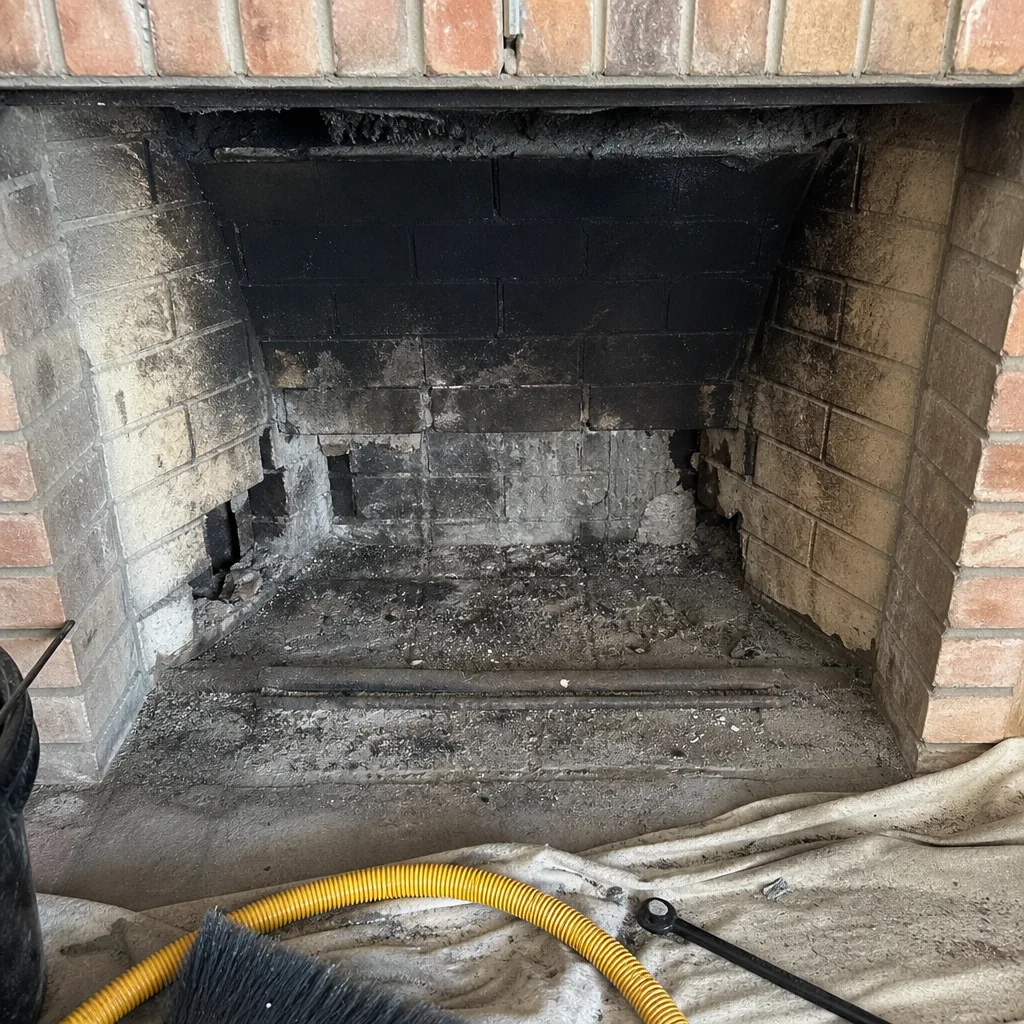 Before
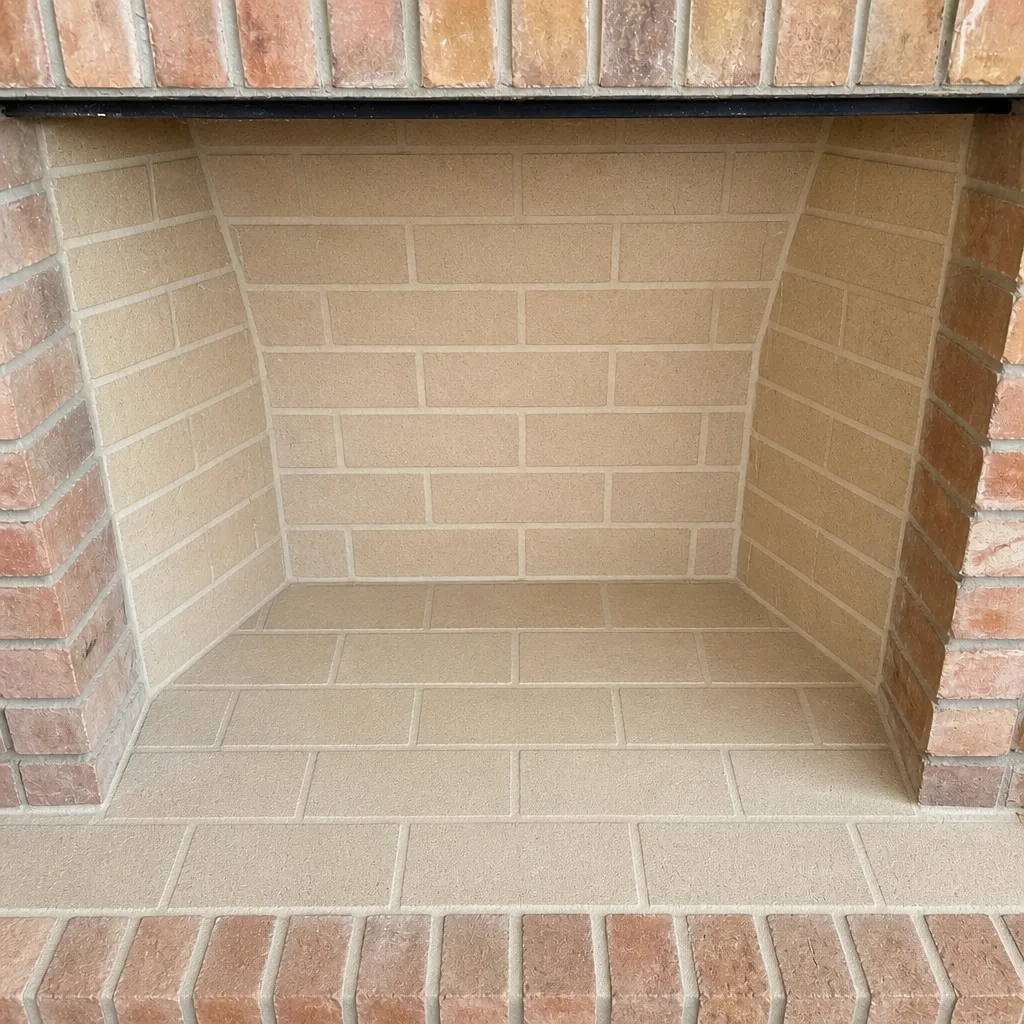 After
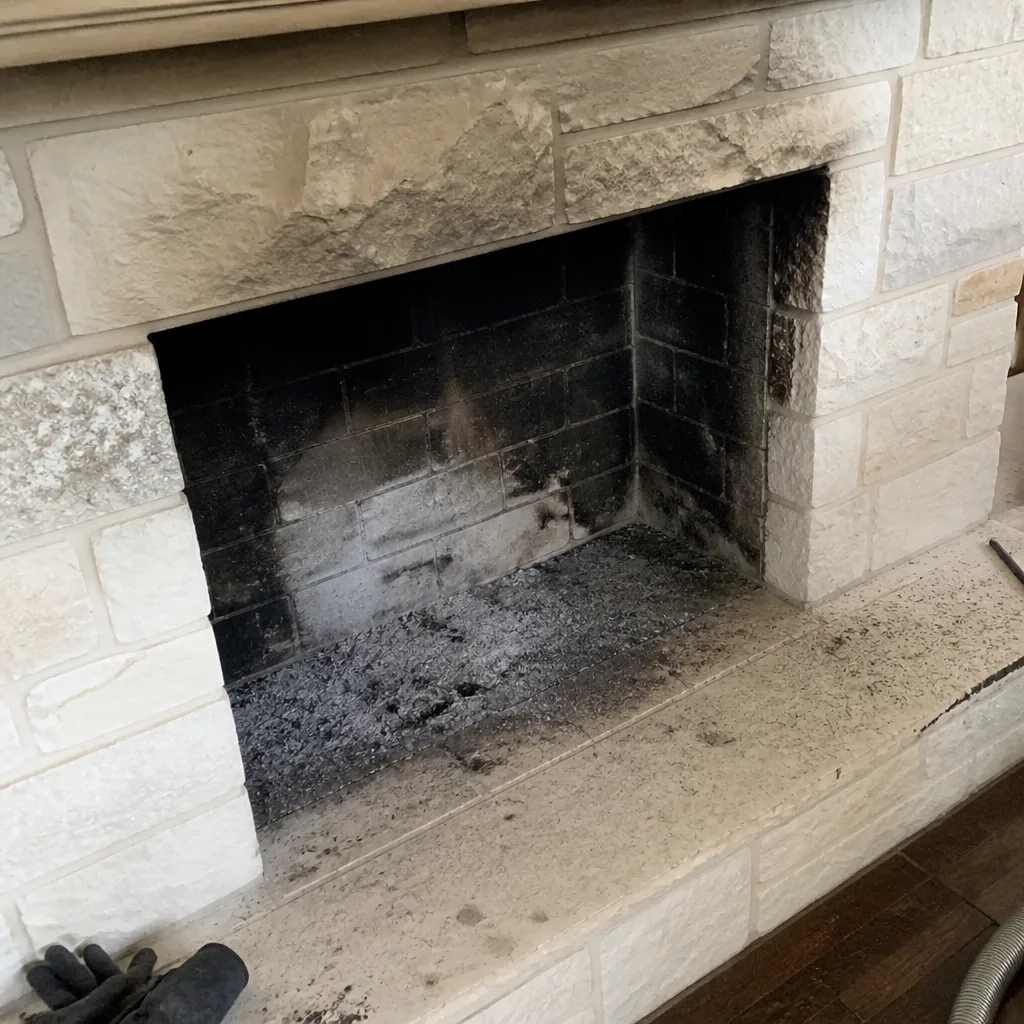 Before
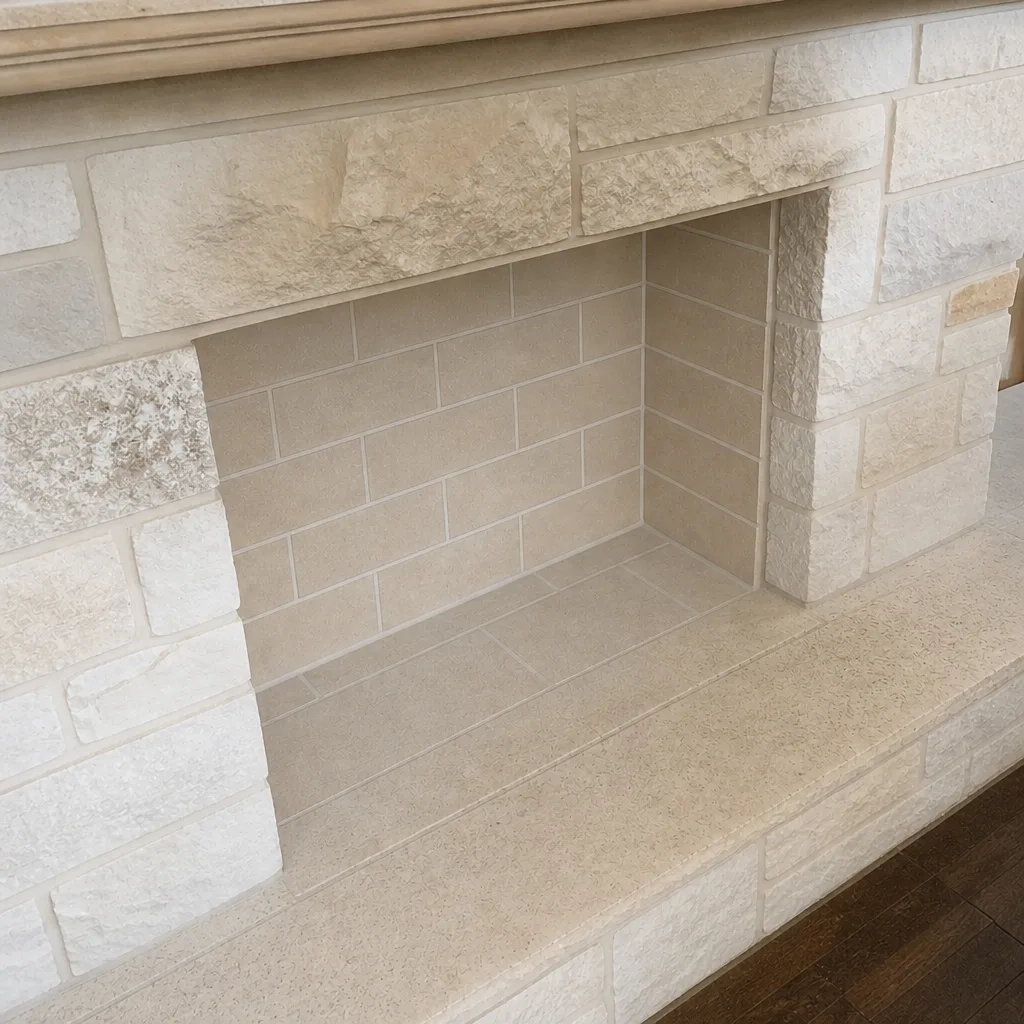 After
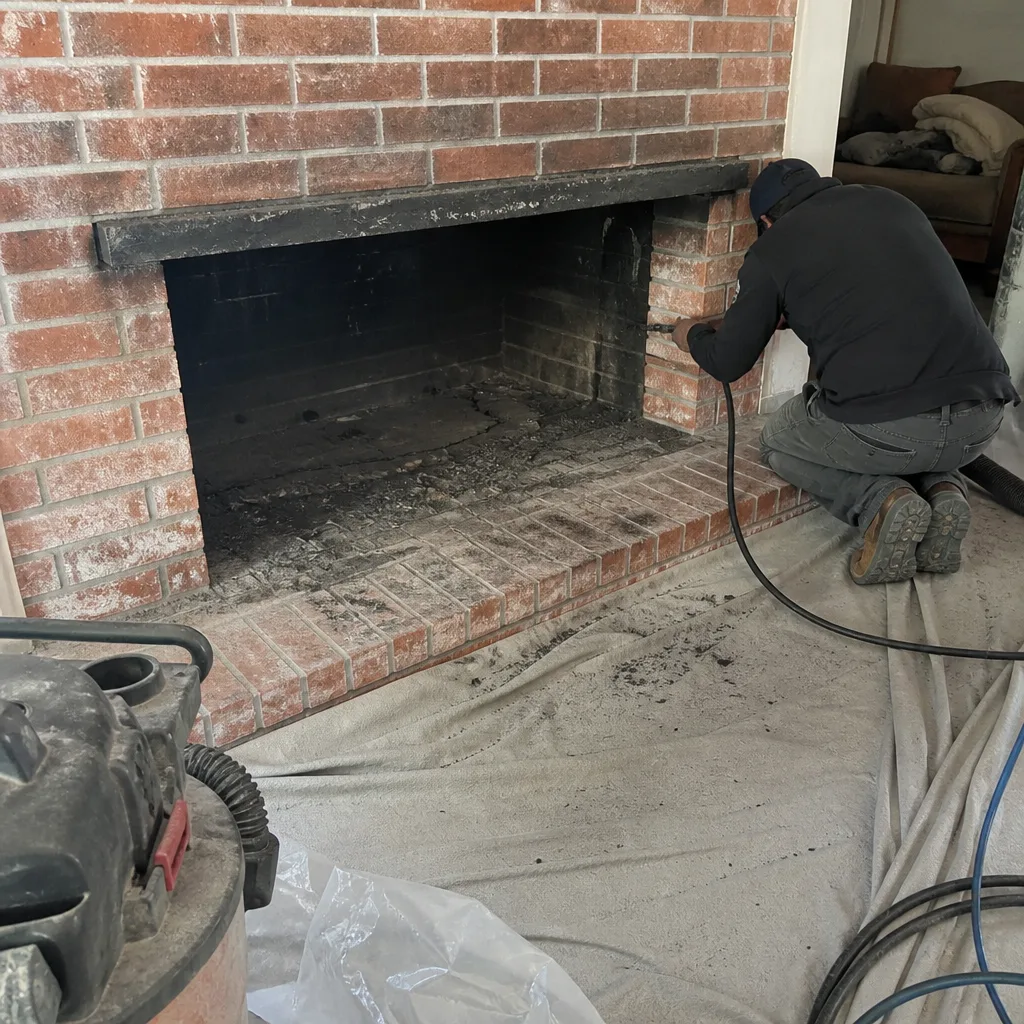 Before
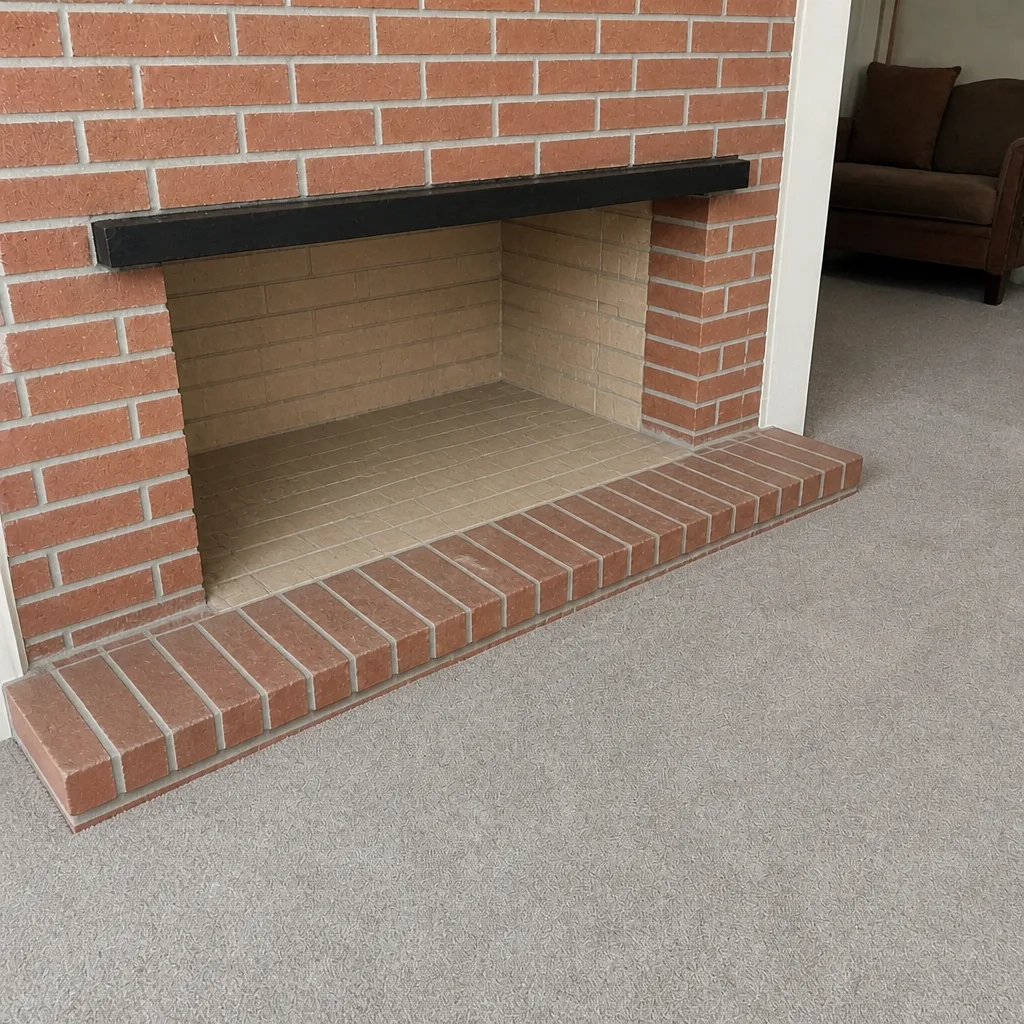 After
Common Mistakes to Avoid
- Treating efflorescence as a cosmetic issue. White staining on the exterior of a Casa View chimney is a receipt for water damage, not a finish problem. Wiping it off and moving on lets the water keep cycling through the masonry until the brick starts to fail.
- Burning a hot fire to “clean out” the flue. A hot fire doesn’t clean creosote; it can ignite glazed buildup. There’s no surface fix here. A sweep removes it safely.
- Assuming a home inspection report clears the chimney. “Not tested” and “not evaluated” aren’t the same as “fine.” Get a dedicated chimney inspection before the first fire in a new-to-you Casa View home.
- Letting a small crack in the flue tile go unrepaired through the burning season. A hairline crack becomes a gap once heat and moisture work on it. The liner is a safety barrier, and it doesn’t self-heal.
- Buying a hardware-store cap and calling it done. Undersized sheet-metal caps don’t fit the flue correctly and don’t shed water off the crown. The cap your chimney actually needs comes from manufacturers like Gelco, Famco, or Copperfield, which is what we specify.
- Ignoring soot flakes on the hearth as normal. A little soot is normal; regular flakes mean the flue is shedding buildup into the room. That’s a sweep, not a dustpan.
- Skipping the sweep because the fireplace “isn’t used much.” The annual check isn’t only about creosote. It’s also the moment when exterior signs, cap condition, and liner condition get evaluated. A fireplace that sits mostly unused still ages.
When to Call a Professional
Call a professional if you see any Tier 4 sign on this list, if you can’t remember the last inspection, or if you’ve had a home inspection flag the chimney. Call if the firebox has a crack, if smoke rolls back into the room, if the damper won’t seat, or if the exterior shows active water damage. Call before the burning season starts, not after. In Casa View, the holidays and the first cool nights are when we’re busiest, so the front of the season is the easiest time to get an inspection booked. Chimney Sweep Casa View provides chimney sweeping, chimney inspection, chimney cap and crown installation, fireplace repair, and chimney repair. We work with professional-grade systems including HeatShield ceramic resurfacing, DuraFlex flexible liners, and caps and components from Gelco, Famco, Olympia Chimney, and Copperfield. Nothing gets recommended without photo evidence from the inspection, and the written estimate sets the final price. Call (844) 947-2044. We answer 24/7. Fast dispatch from 7am to 7pm, Sunday through Friday.
Frequently Asked Questions
Once a year for a chimney in regular use, and once a year as an inspection baseline even for occasional use. Buildup is only part of it; the annual visit is also when exterior signs, cap condition, and liner condition get evaluated. Call (844) 947-2044 for an exact quote. Estimates are free.
A cracked flue tile liner or a cracked firebox is the most serious warning sign because either one can allow carbon monoxide into the structure. Stop using the fireplace until a professional inspects it. Call (844) 947-2044 for an exact quote. Estimates are free.
Not always, but it means water is moving through the masonry and the source needs to be found. Sometimes the fix is a crown repair or cap replacement; sometimes it’s more. The white stain is the receipt for a water problem, not a verdict on cost. Call (844) 947-2044 for an exact quote. Estimates are free.
Smoke rolling into the room means the draft is failing, and the most common cause is a clogged or partially blocked flue. Stop using the fireplace until it’s swept and checked. Call (844) 947-2044 for an exact quote. Estimates are free.
Yes, most of the time. A smell with the fireplace off usually means a dirty flue is being drafted back into the house, and sweeping addresses the source. If the smell persists after a sweep, the inspection usually turns up a damper or draft issue. Call (844) 947-2044 for an exact quote. Estimates are free.
Yes. A general home inspection typically reports the chimney as “not tested” or “not evaluated,” which isn’t the same as “safe.” A dedicated chimney inspection before closing gives you a real picture of the liner, damper, cap, and crown. Call (844) 947-2044 for an exact quote. Estimates are free.
The Bottom Line
Most chimney warning signs are readable by any homeowner who knows what to look at. White staining, flaking brick, receding joints, soot flakes, and a smoky smell all mean something specific, and each one has a different urgency tier. The one warning sign that isn’t safely DIY-diagnosed is a crack in the liner or firebox, and that’s the one that matters most for safety. Casa View chimneys face humidity swings, the occasional hard freeze, and years of normal use. None of that has to become a structural failure if the signs get read early. Our technicians have up to 14 years of experience reading them, and every recommendation we make is backed by a camera inspection and photos you can look at yourself. When work can safely wait, we say so. When it can’t, we tell you why.
If you’ve spotted a warning sign on your own chimney and aren’t sure which tier it falls into, don’t guess. Call (844) 947-2044. We answer 24/7. Fast dispatch from 7am to 7pm, Sunday through Friday. The estimate is free, and the written estimate sets the final price.
Written by the team at Chimney Sweep Casa View.