
Last updated November 25, 2026
 Sweep & inspection
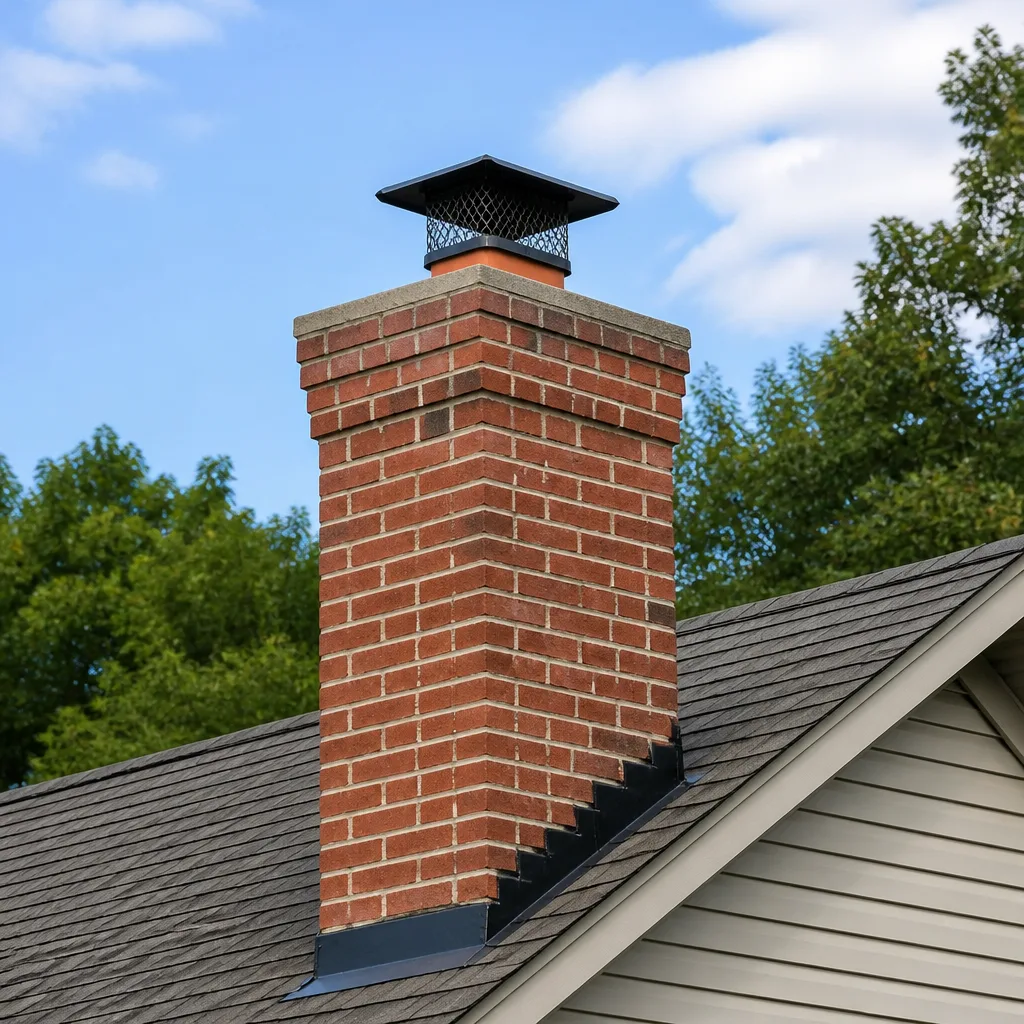
 Caps & crowns
 Flue relining
 Masonry repair
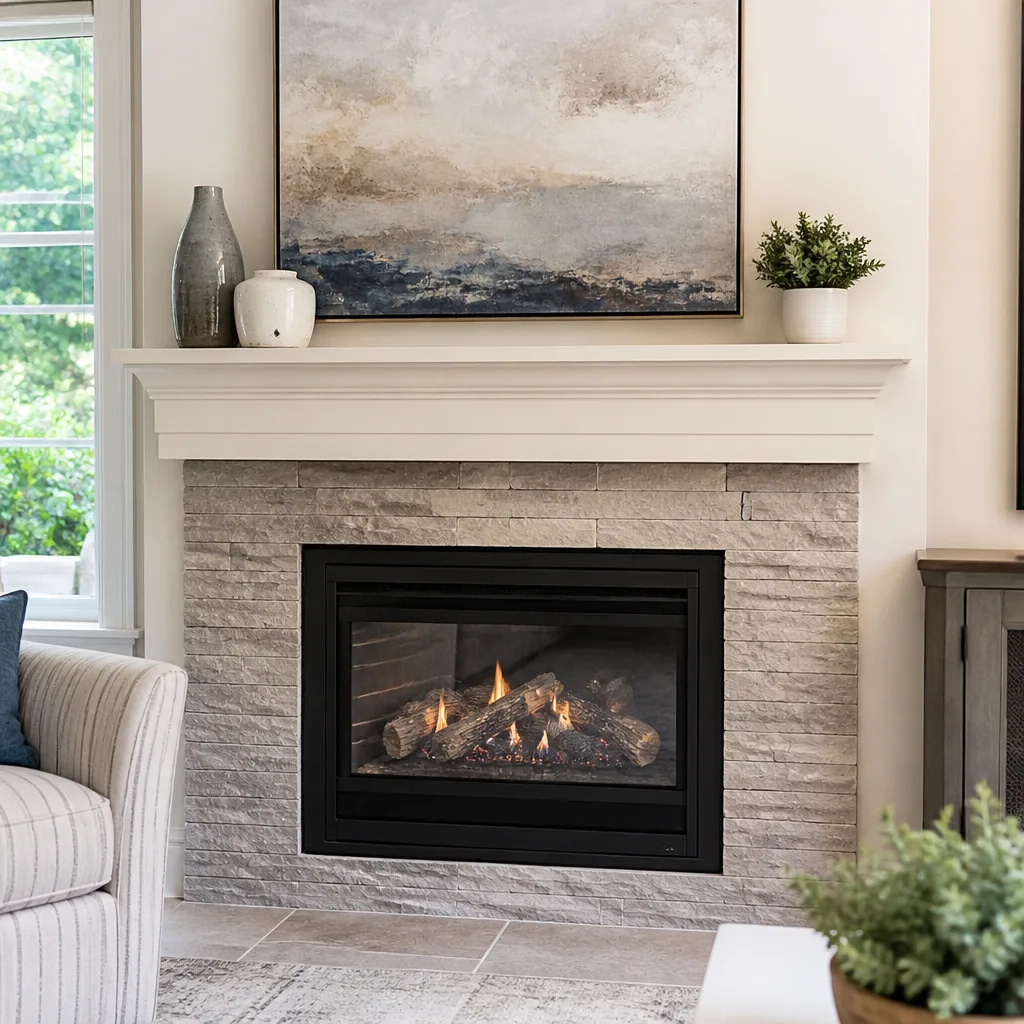 Gas fireplace service
Level 1 sweep and inspection to the NFPA 211 annual standard - flue, crown, cap, and flashing checked and photographed
Chimney sweep logs do not sweep chimneys. They loosen some creosote - which then falls where a brush and vacuum still have to collect it.
The Complete Guide to Chimney Cleaning in Casa View
Most homeowners think of a chimney cleaning as a brush, a shop vac, and an hour of somebody’s time. That picture is incomplete in a way that costs people real money. A sweep removes creosote, but creosote is a symptom. The actual question is why it’s building up where it is, and whether the flue is still shaped the way it was when it was built. In Casa View, the ground under a lot of these homes moves with the seasons, and masonry responds to that movement in ways a brush will never show you. This guide covers what a proper cleaning involves, how to read the report you get afterward, and when a sweep is enough versus when you need a full diagnostic.
Quick Answer
Chimney cleaning in Casa View is a diagnostic service first and a cleaning service second. A proper visit includes a Level I or Level II inspection, removal of creosote and soot, and a written report on the condition of the flue, firebox, damper, cap, and crown. The sweep itself is one output of that process, not the whole job. If a technician cleans your flue and hands you no assessment of what they found, you’ve had half a service.
Styles & brands we work with
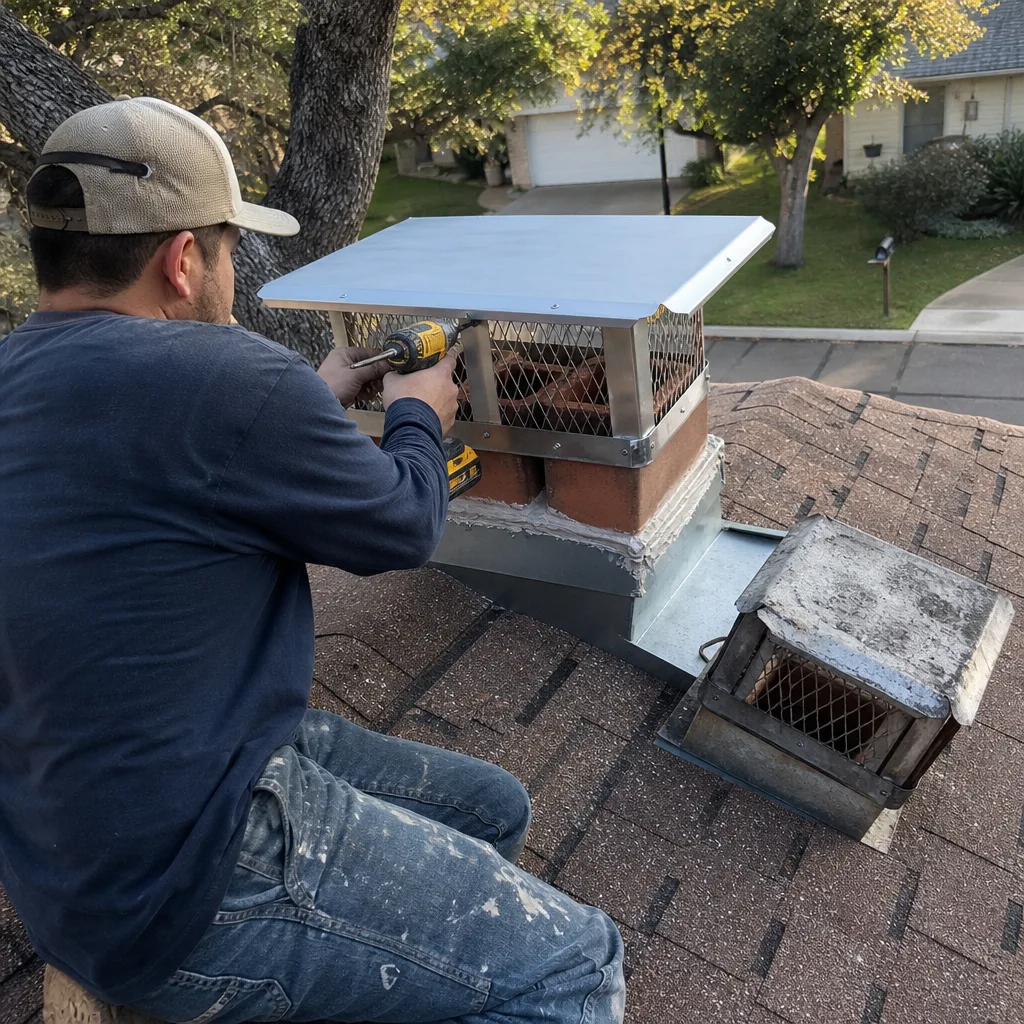
- Sweep & inspection
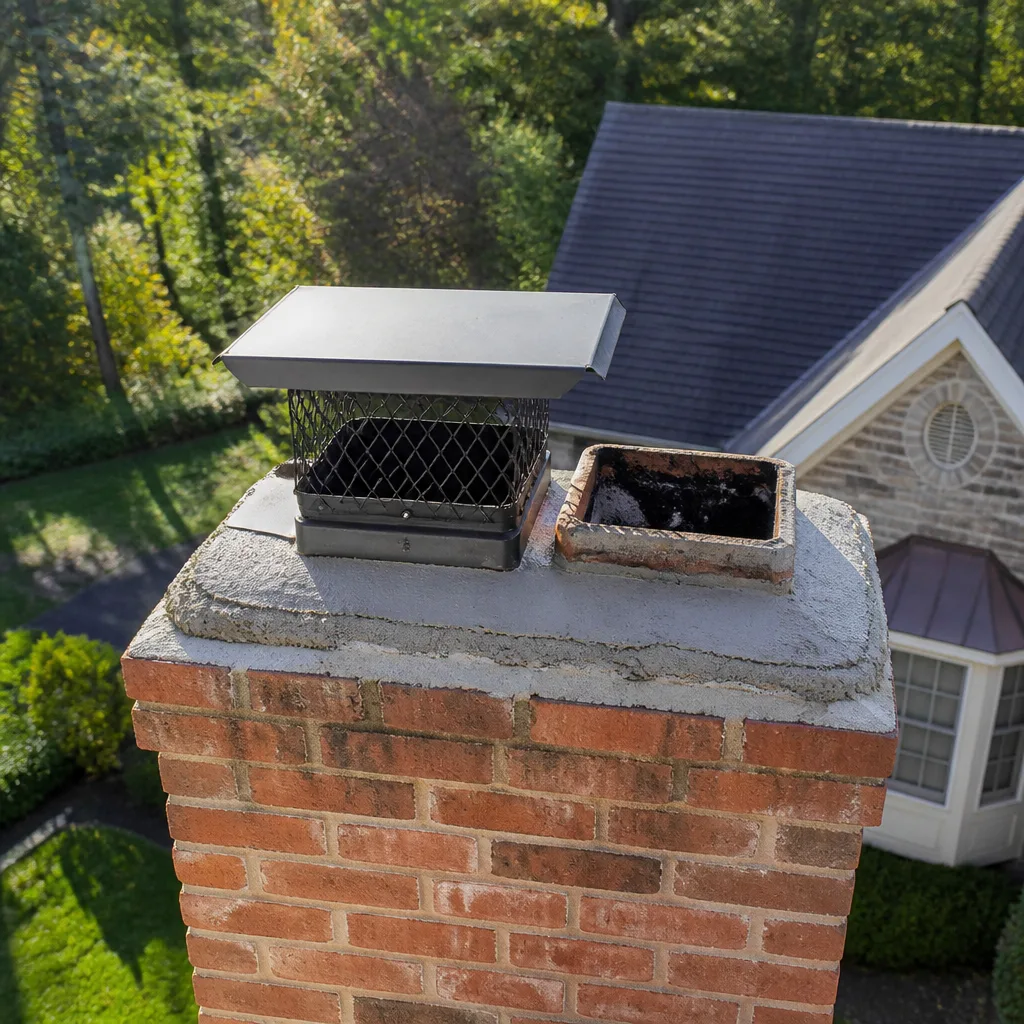
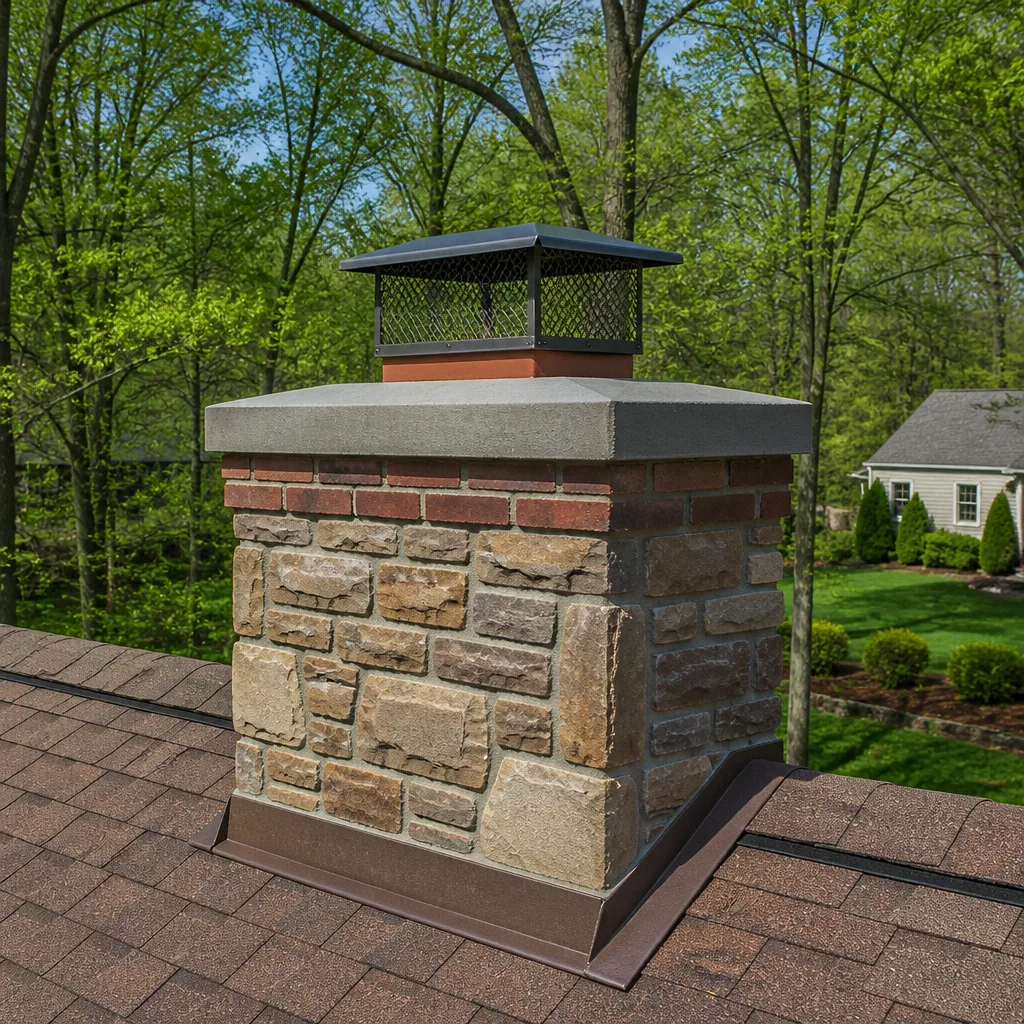
- Caps & crowns
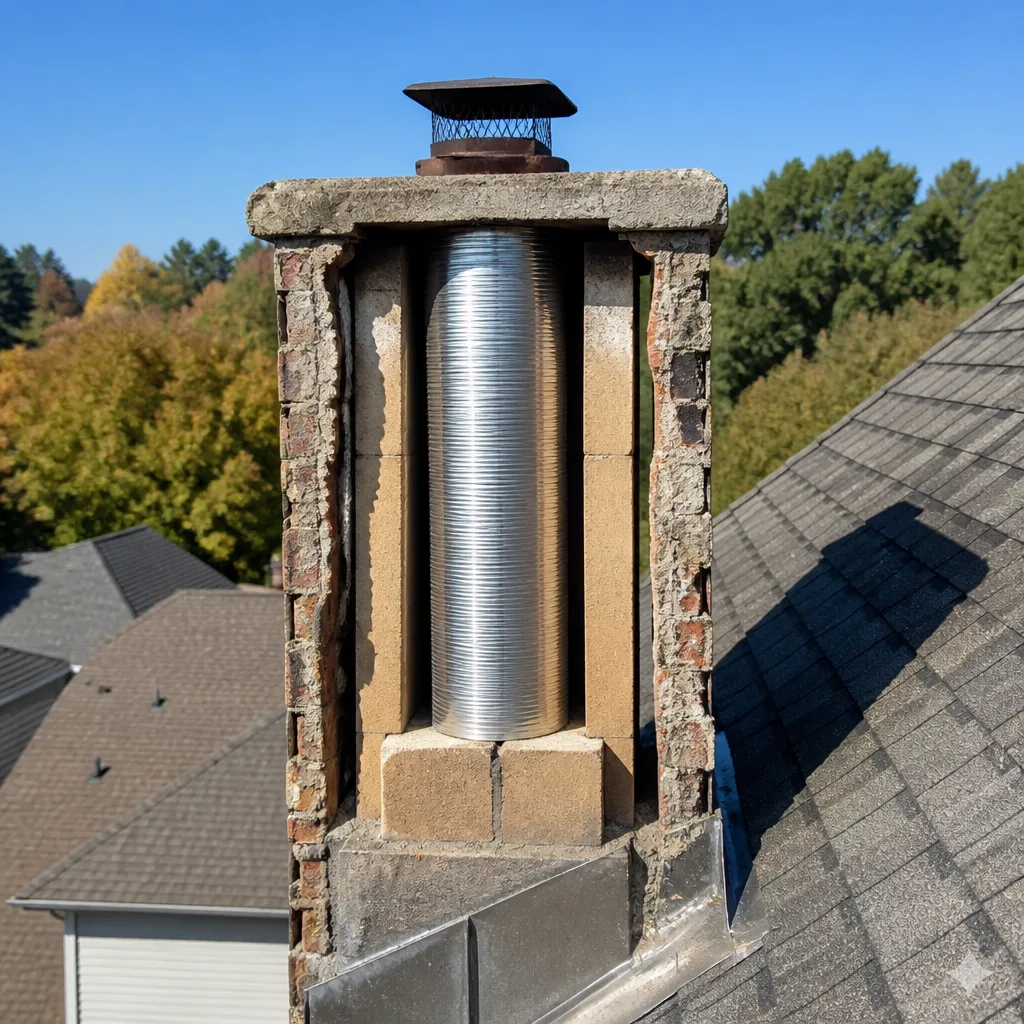
- Flue relining
- Masonry repair
- Gas fireplace service
Table of Contents
- Why Chimney Cleaning in Casa View Starts With a Diagnosis
- How Casa View’s Clay Soil Affects Your Chimney
- The Three Inspection Levels and What Each One Catches
- How to Read a Chimney Sweep Report
- Cleaning Visit vs. Full Diagnostic: When You Need Each
- Professional Liner Systems vs. Patch-and-Pray Repairs
- How Often Should You Schedule a Sweep?
- Common Mistakes to Avoid
- When to Call a Professional
- Frequently Asked Questions
Why Chimney Cleaning in Casa View Starts With a Diagnosis
A brush is a tool, not a method. The brush clears the flue wall. It doesn’t tell you whether the flue wall is still straight, whether the mortar joints behind the firebox have opened, or whether the smoke shelf has filled with debris from a previous season. Those are the things that determine whether your fireplace drafts correctly and whether combustion gases go up the chimney or into the room.
We’ve seen this pattern repeatedly in older Casa View homes: a homeowner books a cleaning, the technician brushes the flue, and nobody checks the smoke chamber. The chamber is the tapered transition between the firebox and the flue, and it’s where a lot of problems hide. When it’s rough, it collects creosote. When it’s cracked, it leaks. Neither issue shows up in a mirror-and-flashlight look from below.
A diagnostic-first visit changes the sequence. The assessment comes first, the cleaning follows, and the report reflects both. That order matters because it means the technician is looking at the flue in its actual condition, not after it’s been swept clean and the evidence is in a vacuum bag.
Chimney Sweep Casa View treats every visit this way. Our technicians have up to 14 years of experience, and they’re trained to read the whole system, not just the flue. If you want to see how we structure a standard visit, the Chimney Sweep Casa View page walks through it.
How Casa View’s Clay Soil Affects Your Chimney
North Texas sits on expansive clay. That clay swells when it’s wet and shrinks when it dries, and the movement doesn’t happen evenly across a lot. One side of a foundation can rise while the other settles, especially through a wet spring followed by a dry summer. The house flexes with it.
Masonry doesn’t flex well. Brick and mortar are rigid, and when the foundation under a chimney moves laterally, the chimney either moves with it or resists. Either way, stress concentrates at the joints. Over time you get hairline cracks in the mortar, separation where the chimney meets the house, and a slight tilt that isn’t obvious from the ground.
Here’s where it connects to cleaning. When the flue tiles shift, the flue isn’t a straight cylinder anymore. It has ledges, offsets, and gaps at the tile joints. Creosote doesn’t distribute evenly across a distorted flue; it collects at the obstructions. A flue that looks clean from the top can have a thick band of buildup halfway down, right where two tiles have separated.
That’s the specific reason Casa View chimneys need more than a brush. The cleaning has to account for the shape of the flue as it actually is, not as it was drawn. And the assessment has to include the exterior masonry, because the same ground movement that distorts the flue is also working on the crown and the mortar above the roofline.
Late fall is a sensible time to schedule, before the fireplace sees regular use again. Burning season is when a blocked or distorted flue becomes a real problem, and it’s better to know about it before the first fire than after.
The Three Inspection Levels and What Each One Catches
Chimney inspections follow a three-level framework used across the trade. The level isn’t a quality tier; it’s a scope. Each one is appropriate for a different situation, and knowing which one you’re getting is the difference between a real assessment and a house call that ends with a handshake and a vague “looks fine.”
Level I Inspection
A Level I inspection covers readily accessible portions of the chimney, firebox, and flue using basic tools. No camera. It’s appropriate when the chimney is in continued service with no changes to the appliance or fuel type, and no known problems. A routine annual sweep is usually paired with a Level I.
Level II Inspection
A Level II inspection adds a video scan of the flue interior plus accessible attics and crawlspaces. It’s the level you want after a home inspection flags the chimney, after a chimney fire, after a change in fuel or appliance, or when you’ve just bought the house and don’t know its history. This is the level that catches separated flue tiles, offset joints, and interior spalling.
Level III Inspection
A Level III inspection is diagnostic and may involve removing parts of the chimney structure to access concealed areas. It comes up when a Level II finds something serious enough to warrant a closer look, such as suspected damage behind the masonry. It’s not routine, and it isn’t the first call for most homeowners.
The trap in Casa View is that a lot of homes get a Level I sweep every year and nothing more. Level I can’t see the flue interior at all. In a market where clay movement distorts flues, that gap matters. If you’ve never had a Level II and your home is more than a couple of decades old, it’s worth asking for one.
How to Read a Chimney Sweep Report
A chimney report that says “moderate creosote buildup” tells you almost nothing. The word “moderate” isn’t a measurement; it’s a judgment. What you want is a stage classification and, ideally, a thickness measurement in the report, because creosote stages correspond to specific fire risk.
- Stage 1 creosote is soot and light flaky deposit. It brushes off. Thin coatings are normal after a season of use.
- Stage 2 creosote is denser, tar-like, and clings to the flue wall. It doesn’t brush off easily and can be several millimeters thick.
- Stage 3 creosote is glazed and hardened, looks like a shell on the flue interior, and is the most combustible form. It requires mechanical removal, not a standard sweep.
Thickness is where reports get vague and where you should push. A coating measured in fractions of an inch is not the same as a coating thick enough to restrict the flue opening. Ask the technician what they measured and where. Ask them to show you the camera footage, not just describe it. Every professional we work with can pull the video scan and walk a homeowner through what’s on the screen.
The report should also address the things that don’t show up on camera: damper operation, firebox mortar condition, cap and crown condition, and whether the smoke chamber needs attention. A one-page form with a checkbox for “swept” is not a report. If you get one, ask for the rest.
Cleaning Visit vs. Full Diagnostic: When You Need Each
These aren’t the same service, and the price difference reflects that. Here’s how they line up.
- Standard sweep (with Level I): Routine annual maintenance on a chimney in known good condition. Clears soot and Stage 1 deposits, checks accessible components, confirms the appliance is safe to use.
- Full diagnostic (with Level II): First-time sweep in a home you’ve just bought, a chimney with no known history, a flagged home inspection report, or any sign of drafting problems. Includes camera scan and a written report.
- Follow-up diagnostic: Something the first assessment surfaced needs a closer look. Level II findings that warrant a Level III, or a repair recommendation that needs confirmation.
The default for a new Casa View homeowner should be a full diagnostic on the first visit. After that, if the chimney is in good shape and nothing changes, a standard sweep the following year is entirely reasonable. The mistake is booking a standard sweep on an unfamiliar chimney and assuming the result means the chimney is fine. It means the accessible parts looked fine from below.
Our approach is that nothing gets recommended without camera evidence a homeowner can see. If a technician tells you the flue needs relining, the scan should show why. If it doesn’t, the conversation isn’t over.
Professional Liner Systems vs. Patch-and-Pray Repairs
When a flue fails, you have two general options: reline it or tear it down and rebuild. Rebuilding is expensive and disruptive. Relining is the standard professional route, and it’s done with a flexible liner system sized to the appliance.
DuraFlex is one of the liner systems we install and service. It’s a flexible stainless system that goes down the existing flue without demolition, which means a damaged or distorted clay flue can be brought back into service without tearing into the masonry. For flues that don’t need a full liner but do need their interior resurfaced, HeatShield is a ceramic resurfacing method applied to the existing flue wall. It restores a smooth, sealed interior without removal. Both are professional-tier materials; generalist handymen rarely carry either, and most aren’t trained to apply them.
The patch-and-pray approach looks different. A generalist smears mortar over a crack, calls it repaired, and leaves. That might close a visible gap, but it doesn’t restore the flue’s integrity, and it doesn’t address the offset tiles or the separated joints underneath. Six months later the same problem is back, and the next technician has to undo the patch before they can fix anything.
The cap and crown are part of the same system. A cap that’s undersized for the flue opening lets water in and creates a draft problem. We source caps and crowns from Gelco and Famco because they’re sized to the actual opening and built for weather exposure. That’s the kind of protection that lasts past the warranty call. If your crown is cracked, the chimney cap & crown page covers replacement in more detail.
How Often Should You Schedule a Sweep?
Once a year is the standard recommendation for a chimney in regular use. In Casa View, that advice comes with a local caveat: the annual sweep should be paired with an inspection that accounts for the movement the house has seen in the previous year. A flue that was sound last fall can have shifted over a wet spring and a dry summer. The sweep clears it; the inspection tells you whether anything changed.
If you burn wood regularly through the colder months, once a year is a floor, not a ceiling. Heavy use, green or unseasoned wood, and a fireplace that’s operated with the damper partly closed all build creosote faster. In those cases, a mid-season look isn’t unreasonable.
If the house has just changed hands, the chimney has no known history, or a home inspector flagged anything, book a Level II before the first fire. That’s the only way to know what you’re starting with.
See the difference
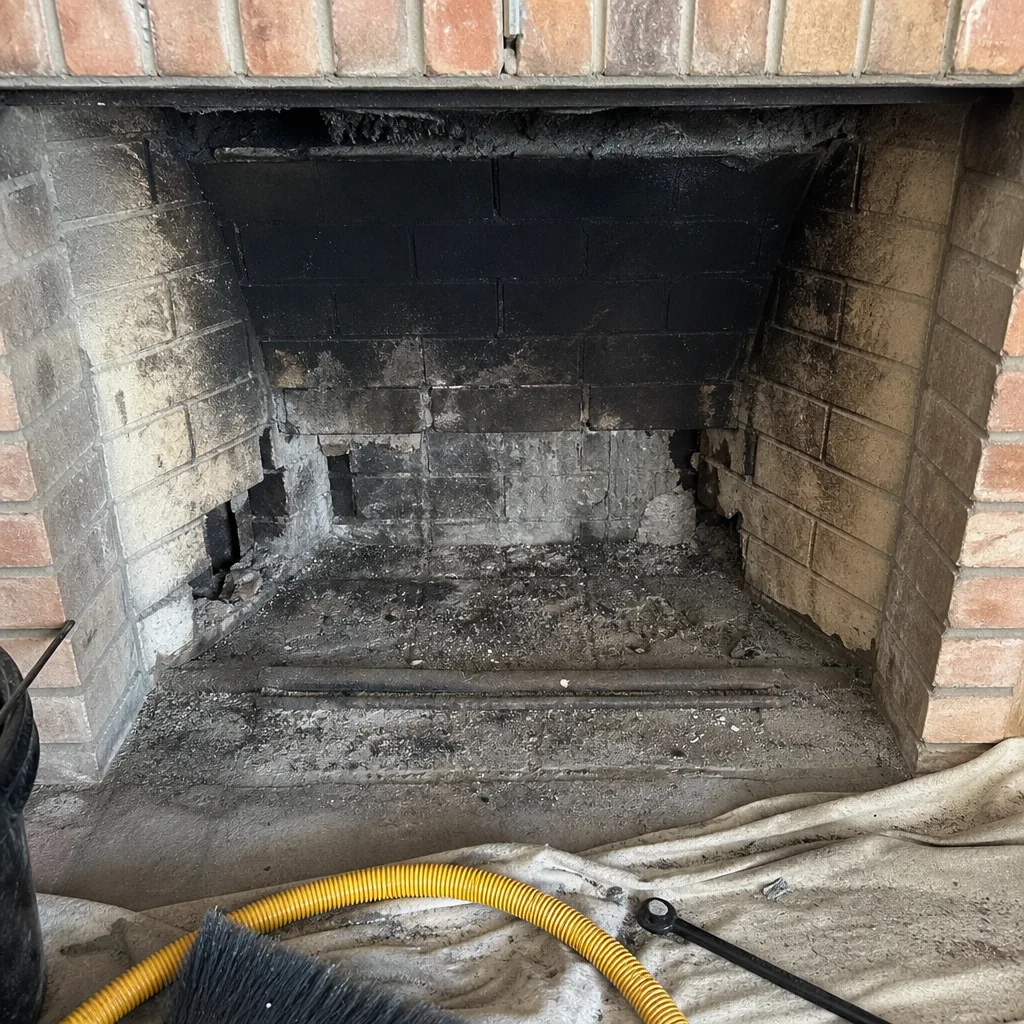 Before
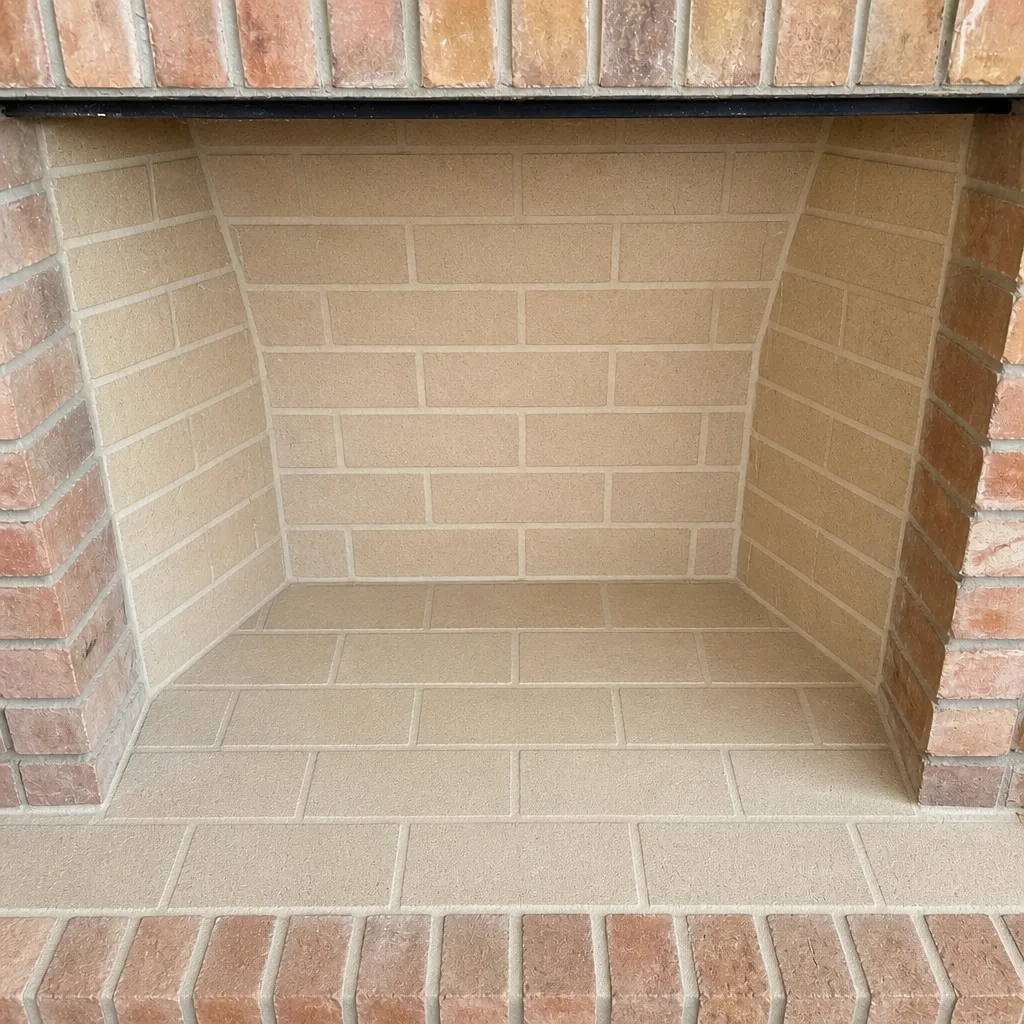 After
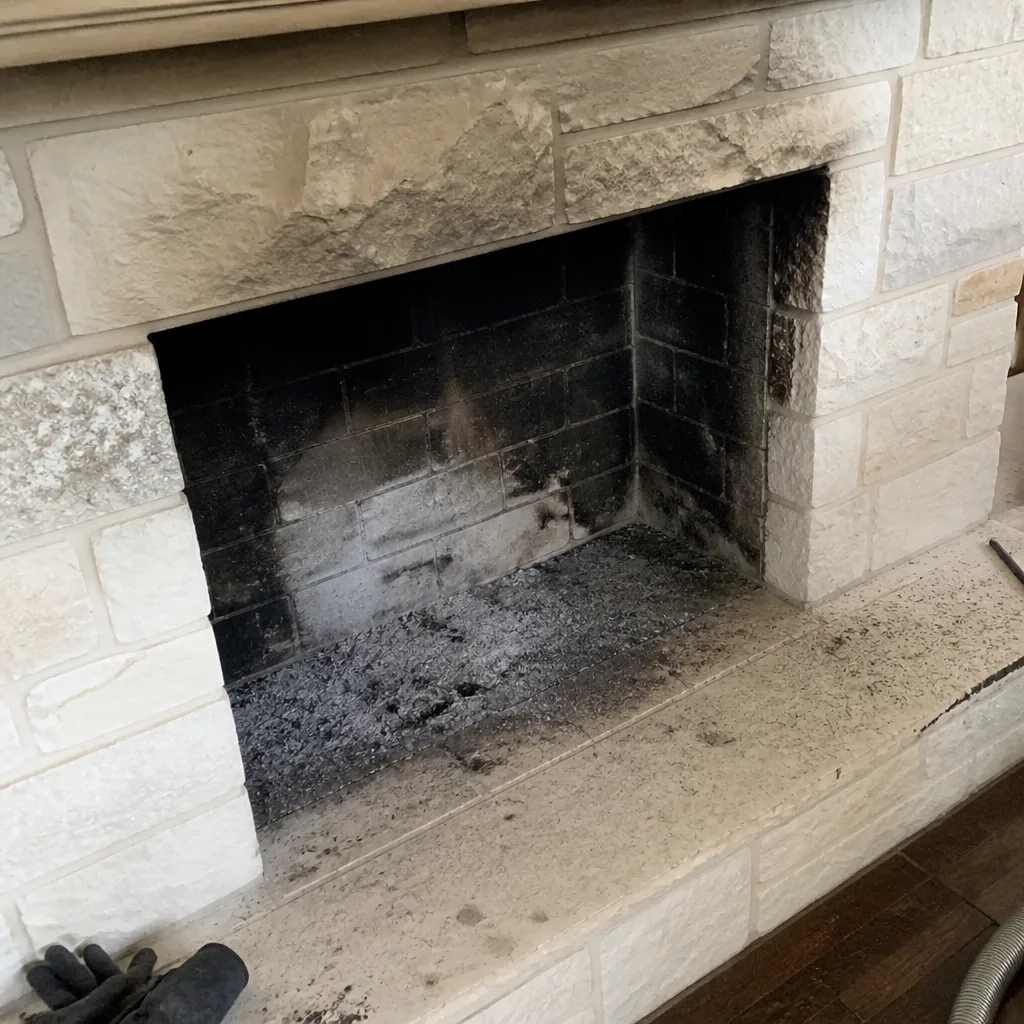 Before
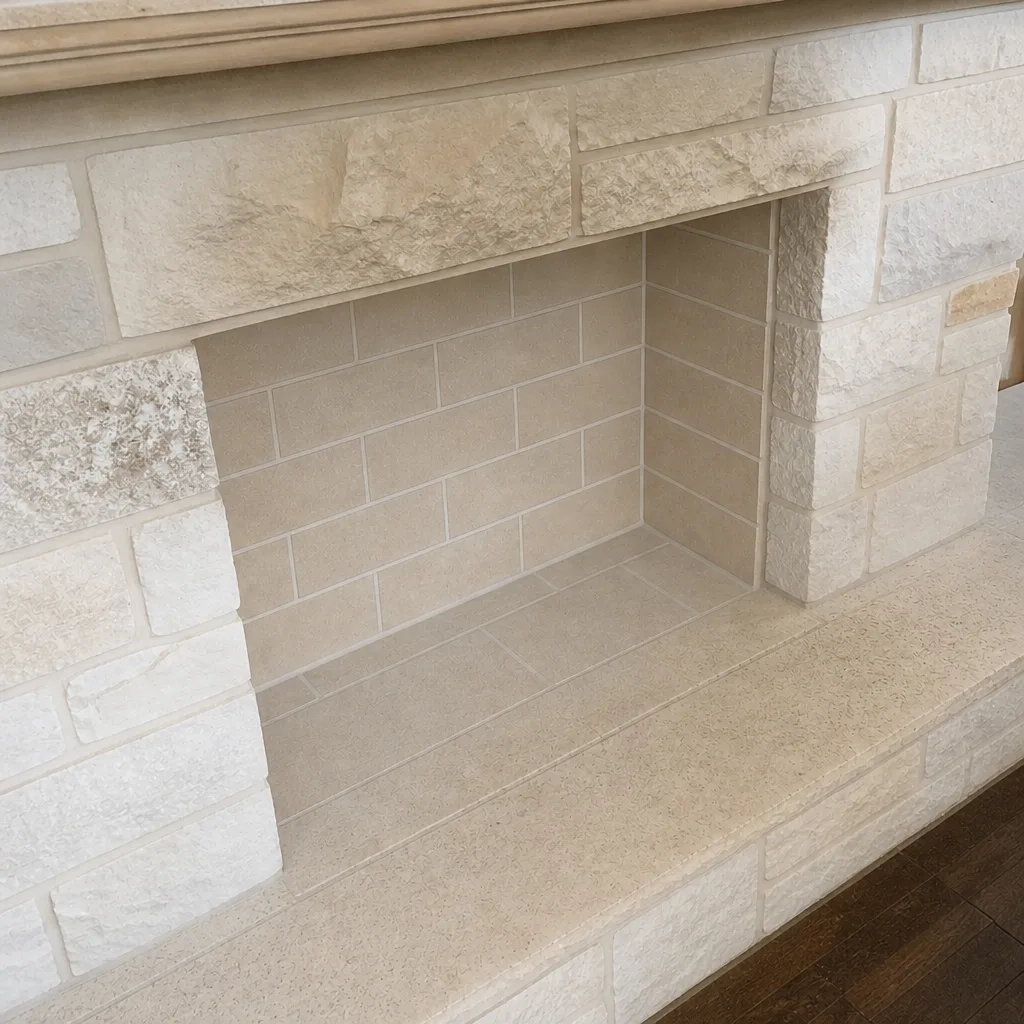 After
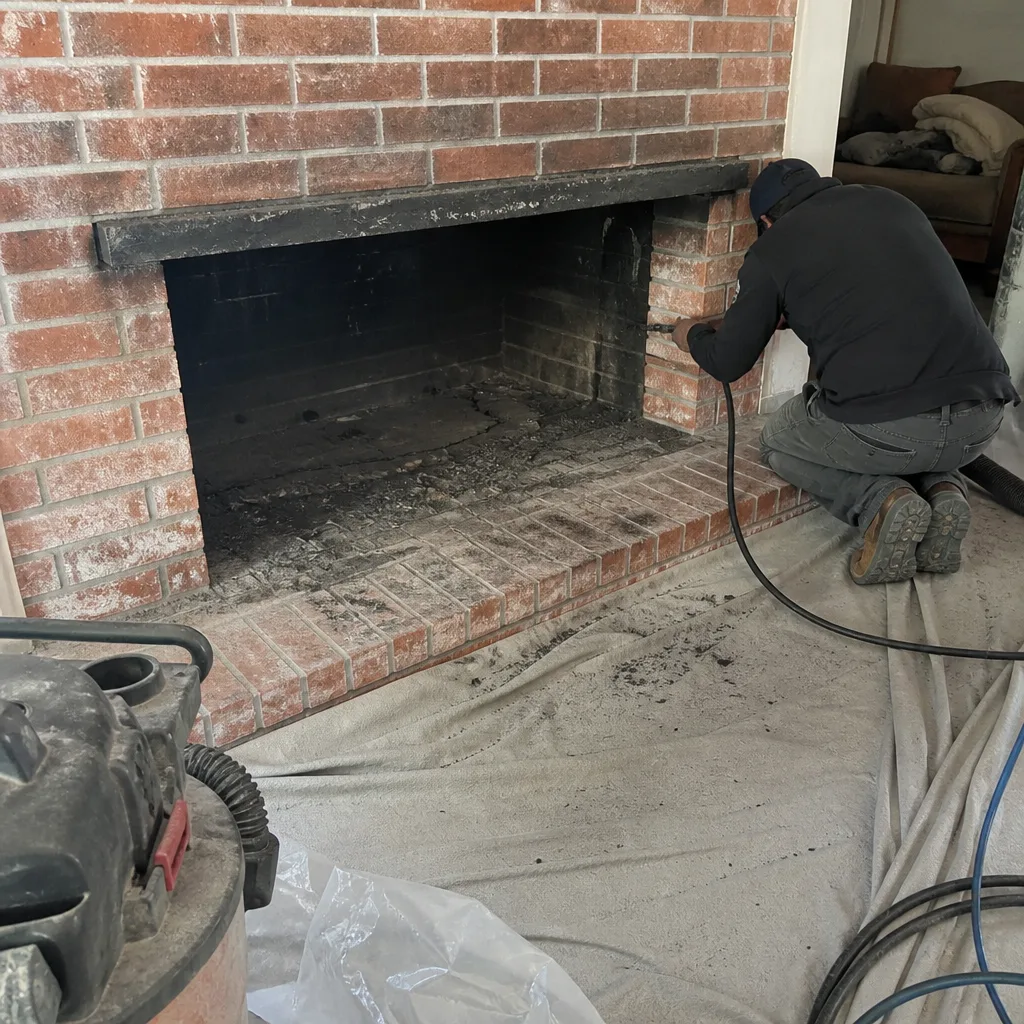 Before
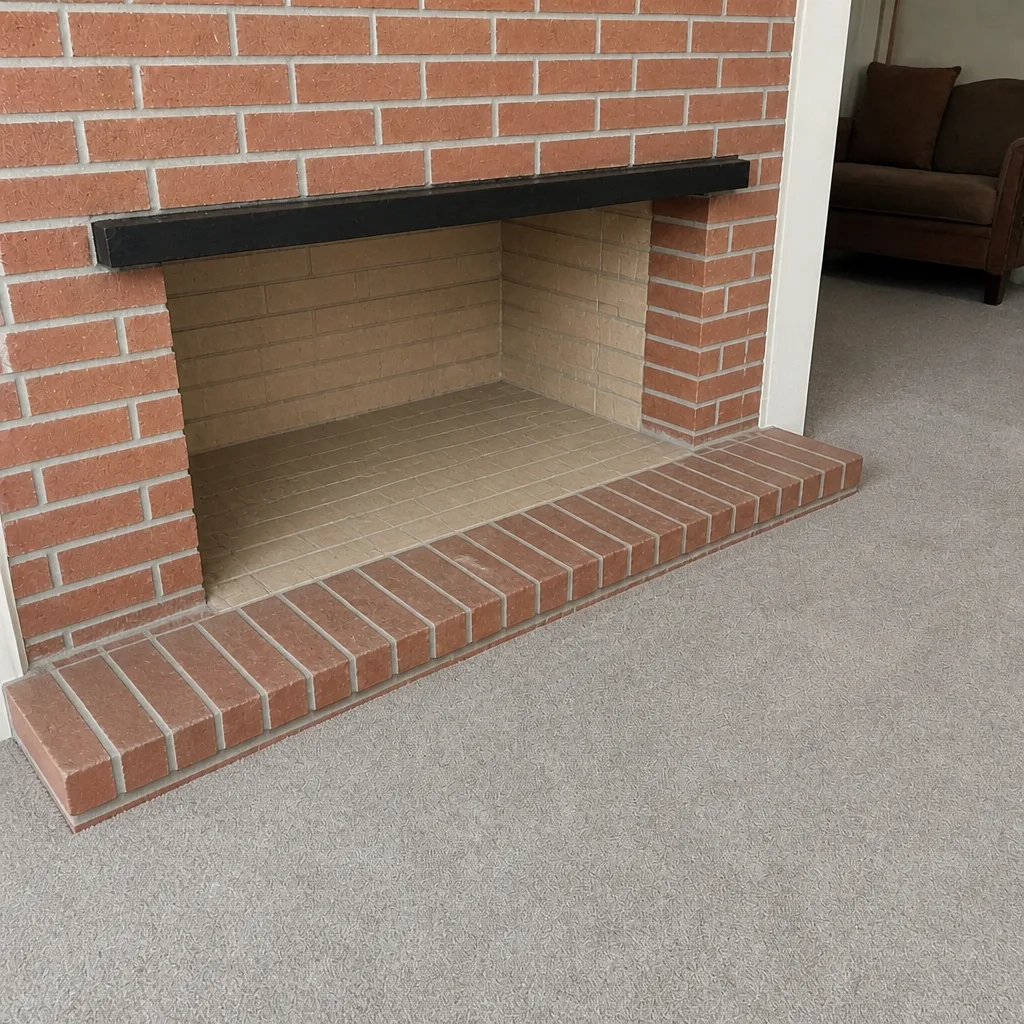 After
Common Mistakes to Avoid
- Booking a sweep and skipping the inspection. The cleaning removes deposits; the inspection tells you whether the flue is still structurally sound. One without the other leaves the most expensive problems undetected.
- Treating “moderate buildup” as a diagnosis. Ask for the stage and the location. A vague report is the sign of a rushed visit.
- Assuming a clean flue means a healthy chimney. A flue can be clean and still have separated tiles, a cracked crown, or mortar pulling apart behind the firebox. Cleaning addresses one of those four.
- Hiring a handyman for liner work. Flexible liner systems and HeatShield resurfacing require training and specific materials. A generalist patching a crack is not the same service as a proper reline.
- Ignoring the exterior. In Casa View, the same clay movement that distorts the flue works on the crown and the mortar above the roofline. A sweep that ignores the roof is a partial assessment.
- Skipping the first-time diagnostic on a newly purchased home. You don’t know the chimney’s history. A Level II is the cheapest way to find out.
- Waiting until the first cold snap to book. Scheduling before burning season means repairs get done on a normal timeline instead of a rushed one. If your firebox or damper needs work, fireplace repair should happen before you’re relying on the fireplace daily.
When to Call a Professional
Call a professional if a home inspection flagged the chimney, if you’ve just bought a Casa View home and don’t have a sweep record, if smoke enters the room when you light a fire, if the damper doesn’t open or close cleanly, or if you see cracked or missing mortar where the chimney meets the house. Call if you’ve had a chimney fire, even a small one; the flue interior needs a camera scan afterward. Call if the cap is missing, cracked, or undersized. And call if it’s simply been more than a year since the last sweep, because the annual inspection is how you catch a seal or a tile problem before it becomes a masonry job.
Safety is the reason to act on any of these. Creosote at Stage 2 and above is combustible, and a flue with a direct path between the firebox and the living space can carry combustion gases indoors. That’s not a reason to panic; it’s a reason to get the chimney looked at properly. Chimney Sweep Casa View offers free estimates in Casa View. Call (844) 947-2044 to book one.
Frequently Asked Questions
Typical ranges in the Casa View market are roughly $150 to $300 for a standard sweep with a Level I inspection, and $250 to $500 for a full diagnostic with a Level II camera scan. The written estimate sets the final price, and the estimate itself is free. Call (844) 947-2044 for an exact quote.
Only if the camera scan shows the flue can’t safely contain combustion gases. Separated tiles, offset joints, cracked clay, or a flue sized wrong for the appliance are the usual reasons. A liner is not a default recommendation, and we don’t make one without showing you the footage that justifies it. Call (844) 947-2044 to get the scan done first.
Once a year for a chimney in regular use, paired with an annual inspection. In Casa View, the inspection matters as much as the sweep because the clay soil under the foundation moves seasonally and can shift the flue without any visible sign inside the house. Call (844) 947-2044 to schedule the annual visit.
Creosote builds up in layers. Stage 1 soot becomes Stage 2 tar, which becomes Stage 3 glazed deposit, and Stage 3 is combustible. A blocked or restricted flue also drafts poorly, which can push combustion gases back into the room instead of up the chimney. Neither outcome is something to wait on. Call (844) 947-2044 for an assessment.
A cleaning removes deposits from accessible flue surfaces. A diagnostic, usually a Level II inspection, adds a camera scan of the flue interior and checks the attic and crawlspace where the chimney passes through. The cleaning tells you the flue is clear; the diagnostic tells you the flue is sound. We recommend the diagnostic on any chimney with no known history. Call (844) 947-2044 to book a chimney sweep with the inspection included.
In practice, no, and it’s not worth the tradeoff. The brush work is the easy part; reading the flue afterward requires a camera, and reading the exterior requires getting on the roof. The dangerous elements here are height, the flue itself, and combustion gases. A trained technician has the tools and the training to assess all three safely. Call (844) 947-2044 instead.
The Bottom Line
Chimney cleaning in Casa View is a diagnostic service. The brush matters, but the assessment matters more, because clay soil shifts the house and the chimney takes the stress. Book a Level II on any chimney with no known history. Ask for the creosote stage and the camera footage in every report. Choose liner systems like DuraFlex and HeatShield over patch-and-pray repairs, and treat the cap and crown as part of the system, not an accessory. Schedule before burning season so repairs happen on a reasonable timeline. One crew, start to finish, with the same team from inspection through repair.
Call (844) 947-2044 for a free estimate. We answer 24/7. Fast dispatch from 7am to 7pm, Sunday through Friday.
Written by the team at Chimney Sweep Casa View.