
Last updated November 25, 2026
 Sweep & inspection
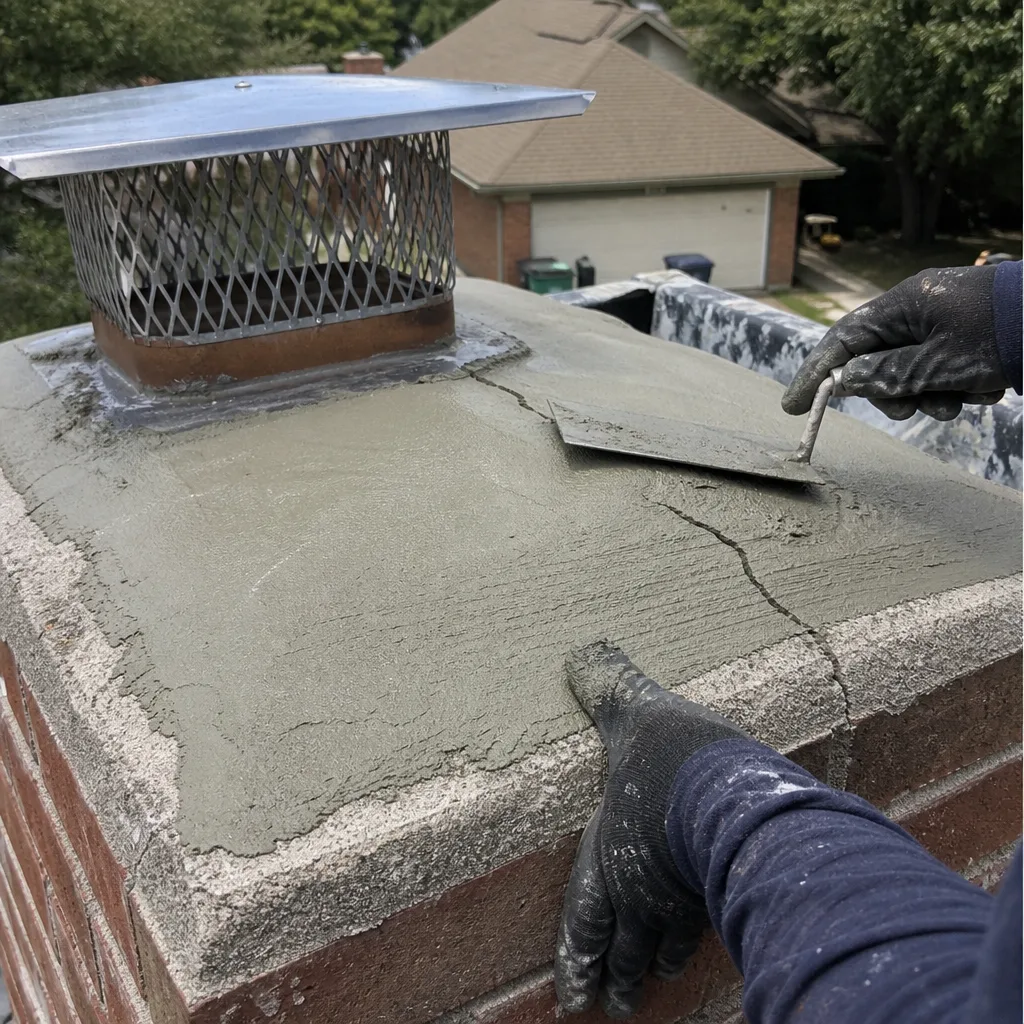
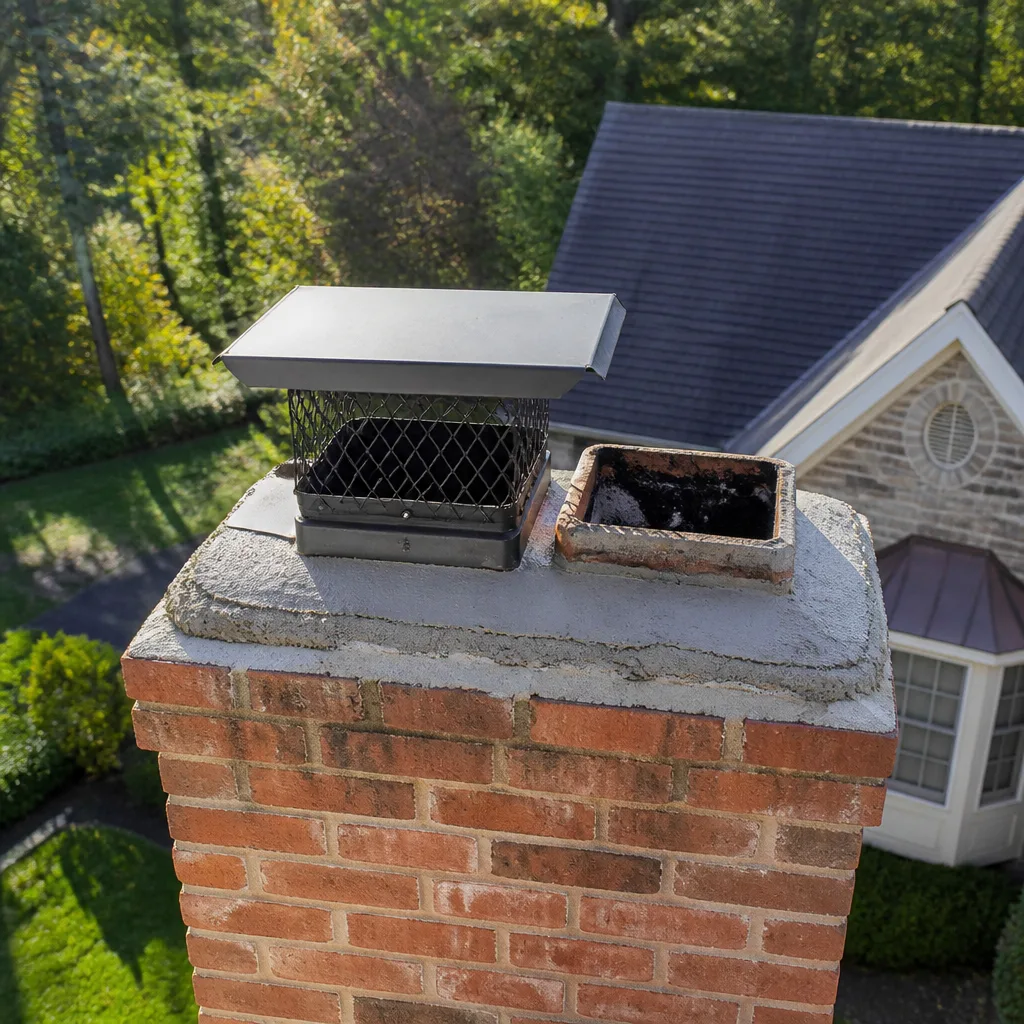
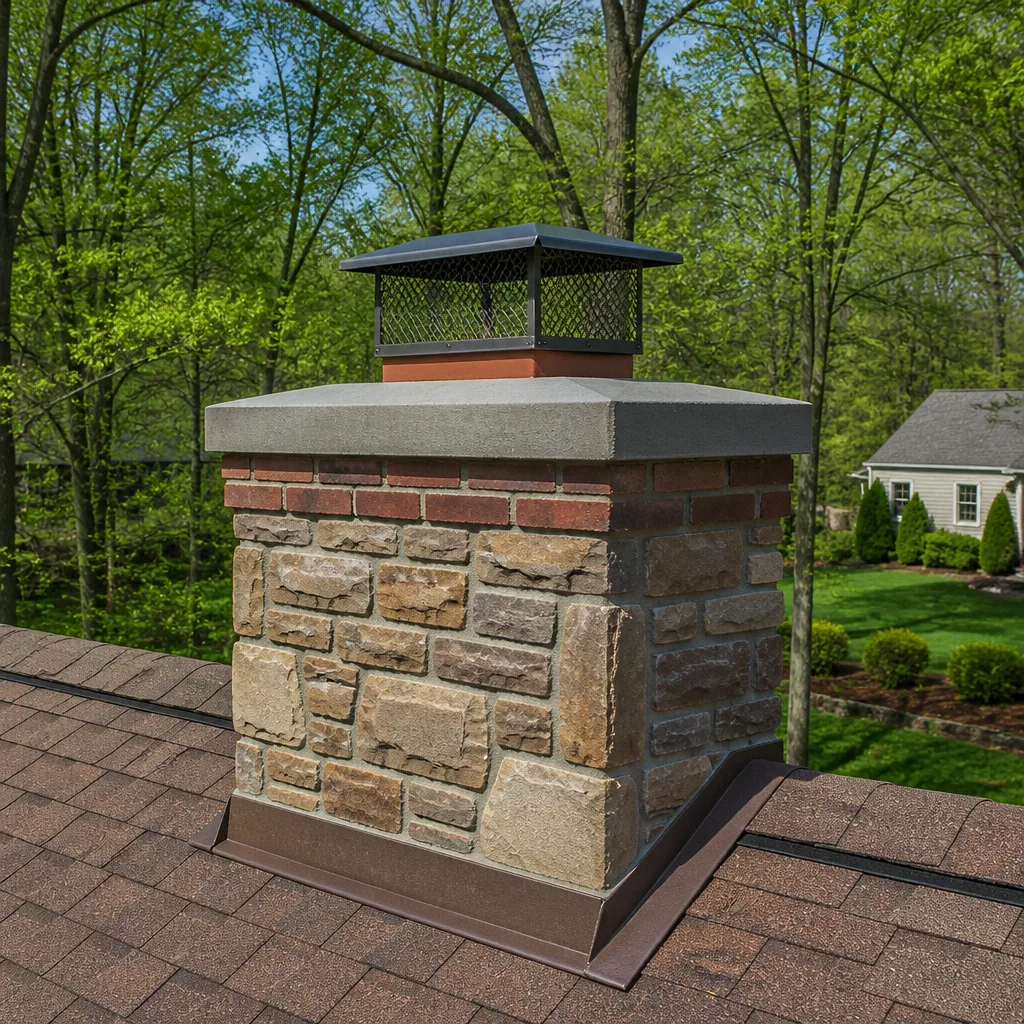 Caps & crowns
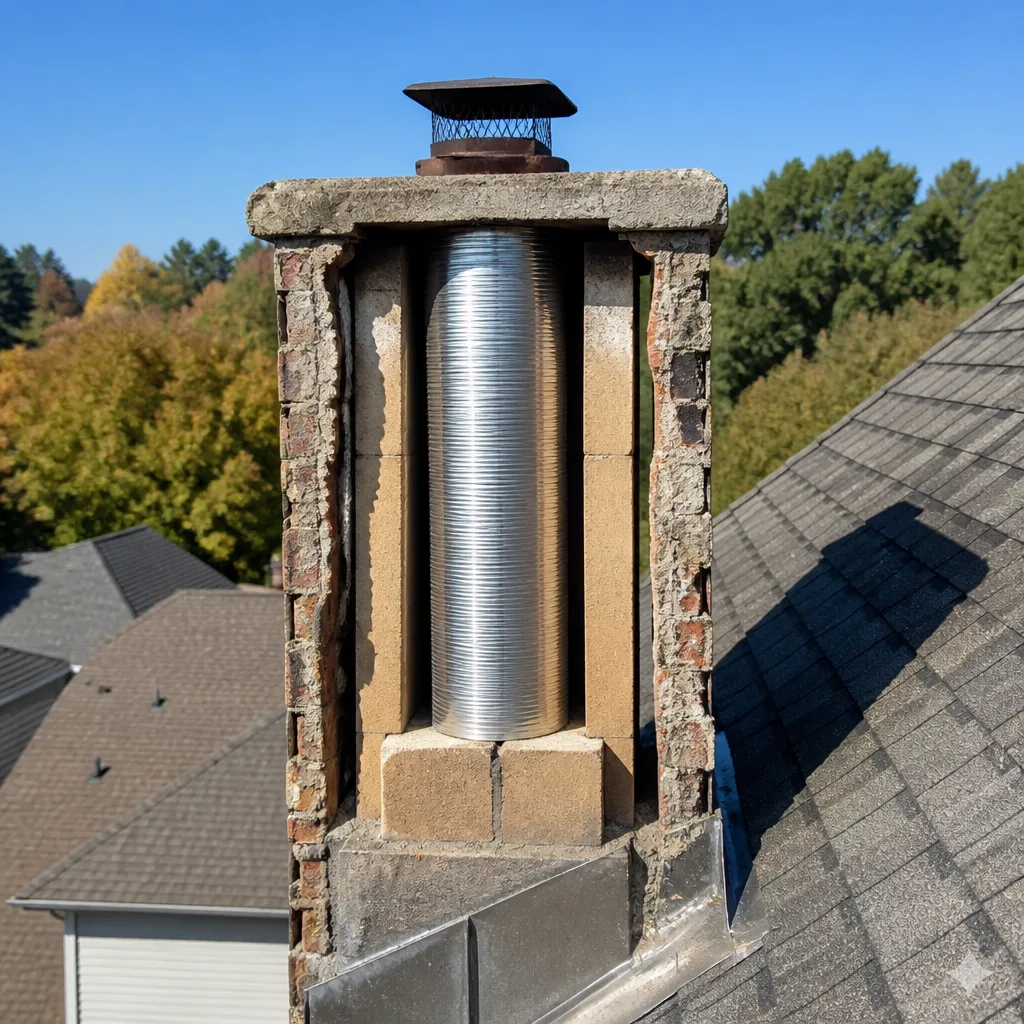 Flue relining
 Masonry repair
 Gas fireplace service
Level 1 sweep and inspection to the NFPA 211 annual standard - flue, crown, cap, and flashing checked and photographed
Chimney sweep logs do not sweep chimneys. They loosen some creosote - which then falls where a brush and vacuum still have to collect it.
Choosing the Right Chimney Cleaning Brand: A Buyer’s Guide for Casa View
There are two types of chimney liner systems: the ones that show up in professional masonry contractor specifications and the ones that show up at big-box stores. They are not interchangeable, and the difference becomes apparent the first time the system faces 1,100°F flue gas temperatures. Most homeowners in Casa View never think about this until a home inspection report lands on the kitchen table, or until a discount sweep hands them a quote for work they can’t verify. What follows is a practical guide to the product categories behind every chimney job – liner systems, joint and crown sealants, and waterproofing – the professional-grade brands contractors actually specify in each, and how to read a contractor’s answer when you ask what they use and why. We work with these materials daily at Chimney Sweep Casa View, and we’ll show you what separates specification-grade from hardware-store grade.
Quick Answer
The right chimney cleaning brand in Casa View depends on the product category, not a single brand. For liner systems, professional contractors specify stainless flexible systems like DuraFlex because they meet higher temperature and corrosion specifications than imported liner sold online. For flue resurfacing, HeatShield is a ceramic repair system used to restore compromised flue tiles without demolition. For caps, crowns, and weather protection, Gelco, Famco, Olympia Chimney, and Copperfield supply commercial-quality components. A contractor who can explain why they chose a specific product over an alternative is working from specification. One who can’t is working from habit.
Styles & brands we work with
- Sweep & inspection
- Caps & crowns
- Flue relining
- Masonry repair
- Gas fireplace service
Table of Contents
- The Three Product Categories Every Chimney System Depends On
- Why DuraFlex Stainless Liner Systems Are Specified by Masonry Professionals
- What HeatShield Resurfacing Actually Does to a Compromised Flue
- Caps, Crowns, and Waterproofing: Where Cheap Components Fail
- How to Ask a Contractor About Materials and Interpret the Answer
- Warranty Implications of Material Choice
- What Casa View’s Climate Means for Product Selection
- Common Mistakes to Avoid
The Three Product Categories Every Chimney System Depends On
A chimney is not one product. It’s a stack of systems doing different jobs: containing combustion gases, sealing the joints that let those gases escape, and keeping water out of masonry that will deteriorate once wet. Every decision a contractor makes falls into one of three categories, and each has a professional tier and a consumer tier.
1. Liner systems. The flue liner carries combustion gases from the firebox to the top of the chimney. On older homes, this may be clay tile or, in some cases, nothing at all. When it fails, options include relining with a flexible stainless system (DuraFlex is the one we install) or resurfacing with a ceramic system like HeatShield. The professional tier is stainless flexible liner engineered to a stated temperature rating. The consumer tier is thin imported liner sold online or through generalist suppliers, which is difficult to verify against spec.
2. Joint and crown sealants. The crown is the concrete cap at the top of the chimney that sheds water away from the structure. Mortar joints hold the masonry together. Both fail with age and weather, and both can be repaired with sealants and restoration mortars intended for chimney use – not generic caulk. Crown work sourced from suppliers like Gelco and Famco uses materials formulated for masonry exposure rather than the thin coatings sold at hardware stores.
3. Waterproofing. Masonry is porous. Waterproofing is a breathable coating applied to the exterior of the chimney that repels rain while letting moisture inside the masonry escape as vapor. A non-breathable sealer traps moisture and does more harm than no coating at all. This is where the product distinction matters most, and where homeowners usually have no idea what was applied.
The pattern across all three categories is the same. The professional tier costs more and performs to a stated specification. The consumer tier costs less and performs to whatever the packaging claims. In Casa View, where most chimney work is on brick and masonry homes built decades ago, we’ve seen the difference play out in repair frequency more than anything else. A chimney cap & crown sourced from a commercial supplier outlasts a hardware-store sheet-metal cap by years, not months.
Why DuraFlex Stainless Liner Systems Are Specified by Masonry Professionals
DuraFlex is a flexible stainless steel liner system. It’s specified by masonry professionals because it carries a stated temperature rating, a stated corrosion rating, and a manufacturing chain that can be verified against the spec sheet. That sounds like procurement language, and it is – because that’s exactly how a masonry contractor chooses liner materials when a job requires documentation. A flexible stainless liner drops into an existing flue, which means a damaged or deteriorated chimney can be relined without tearing the chimney down.
What separates DuraFlex from imported flexible liner sold online comes down to a few specific things:
- Stated temperature rating. The liner is engineered and tested to a specific rating. Imported liner often carries a vague claim with no test data behind it.
- Wall thickness and alloy specification. Professional systems are manufactured to a defined alloy and thickness. Consumer liner can vary from one shipment to the next.
- Manufacturer support and documentation. A professionally specified system carries an installation manual, a warranty document, and a manufacturer who can be called with questions. Online liner usually has none of that.
- Installation knowledge. Flexible liner requires correct sizing, correct connection at the appliance, and correct termination at the top. The material only performs if it’s installed to the manufacturer’s instructions.
We install DuraFlex in-house, which matters because the product and the labor have to agree. A specification-grade liner installed incorrectly is a problem the homeowner discovers later. Liner work also involves real risk when the flue is in poor condition – a deteriorated flue can fail structurally during the installation process, and a trained technician knows how to assess that before work begins. If a home inspection report in Casa View flags a liner issue, the first question to ask is what system the contractor intends to install and why. The answer should name a specific product and a specific reason. When a liner isn’t the right answer, fireplace repair or targeted resurfacing can sometimes solve the problem at lower cost.
What HeatShield Resurfacing Actually Does to a Compromised Flue
HeatShield is a ceramic flue resurfacing system used to restore damaged flue tiles without demolition. A technician applies the ceramic material to the interior of the flue, where it bonds to the existing tile and fills gaps, cracks, and deteriorated joints. The result is a continuous, smooth flue surface that carries gases the way the original tile was intended to. It’s a legitimate alternative to full liner replacement in specific failure scenarios – and, just as importantly, it is not a solution for every scenario.
HeatShield works well when the failure is in the tile joints and the tile surface itself, and when the flue structure is otherwise intact. It does not work when the flue is structurally failing, when the chimney has no liner at all, or when the tile is missing large sections. In those cases, a flexible stainless liner is the correct product. This distinction matters because a contractor who only offers one solution will find a way to apply that one solution to every problem. A contractor who offers both resurfacing and relining can tell you which one your flue actually needs, and why.
For homes in Casa View with older clay tile flues, HeatShield offers something a full reline can’t: it preserves the original flue dimensions, which matters on older chimneys with tighter clearances. It’s also a non-demolition process, which keeps the job smaller and keeps the masonry intact.
Here’s what the process looks like when we do it:
- Inspection first. We run a camera up the flue and document what we find. Nothing is recommended without camera evidence the homeowner can look at themselves.
- Assess suitability. We check whether the flue structure can support resurfacing or whether relining is the correct answer.
- Surface preparation. The flue is cleaned and prepared so the ceramic material bonds correctly to the tile.
- Application. The resurfacing material is applied evenly through the flue, filling joints and creating a continuous surface.
- Cure and verify. The material cures, and we re-inspect with the camera to confirm the result.
Homeowners sometimes ask whether we recommend resurfacing to save money. We recommend it when the flue can safely accept it. When it can’t, we say so. That’s the difference between a diagnosis and a sales pitch. When a flue problem sits behind a fireplace insert or a damaged firebox, the fix may involve the firebox itself, which is where a proper chimney sweep assessment starts.
Caps, Crowns, and Waterproofing: Where Cheap Components Fail
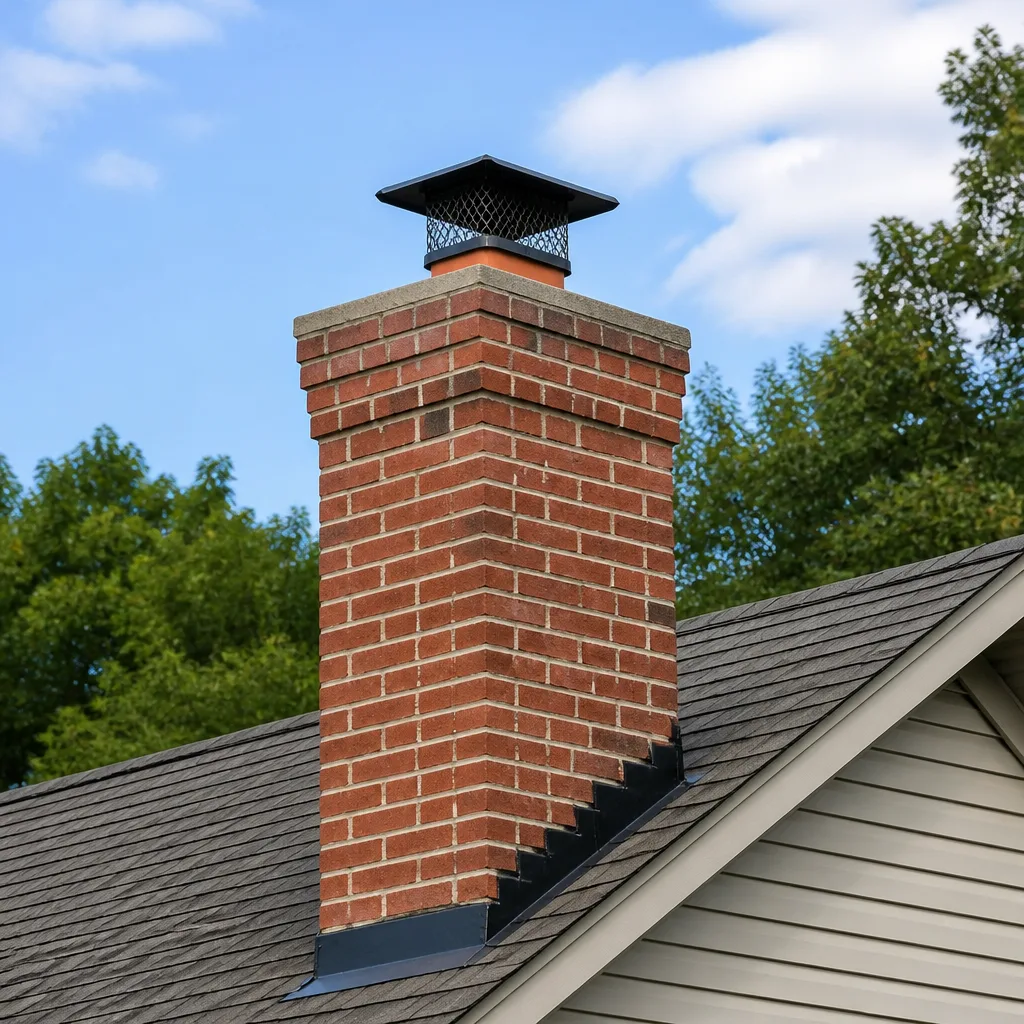
The most common failure point on a chimney isn’t the flue at all. It’s the top. Water is the single largest cause of chimney deterioration, and most of it enters at the crown, the flashing, and the open flue. A cap and crown system built from commercial-quality components protects the chimney. A hardware-store cap protects it until the first hard rain, or the first strong wind, and then comes off.
What you actually need at the top of the chimney:
- A correctly sized cap. The cap should be sized to the flue and chimney, not approximated. A cap that’s too small lets water in around the edges. A cap that’s too large can trap moisture and restrict draft.
- A crown that sheds water. The crown is the concrete cap over the masonry itself. A properly formed crown has a slope and an overhang so water runs off rather than pooling. Products from Gelco and Famco are designed for this job, and they hold up to sun and weather far longer than a coating or a patched crown.
- Breathable waterproofing. A masonry-safe waterproofing coating applied to the chimney exterior repels rain while letting internal moisture escape. Non-breathable products trap moisture and accelerate damage.
The cap your chimney actually needs depends on the flue configuration and the crown condition, not on what’s stacked at the hardware store. On a Casa View masonry chimney, the wrong cap can be worse than no cap at all if it restricts draft or traps moisture against the crown. The materials sourced from Olympia Chimney and Copperfield are the same suppliers masonry contractors specify on restoration jobs, and that’s the standard we hold the top of the chimney to.
Waterproofing is where the product choice is easiest to get wrong and hardest to check after the fact. Ask what product was applied and whether it’s breathable. If the contractor can’t answer, that’s your answer.
How to Ask a Contractor About Materials and Interpret the Answer
You don’t need to become a chimney engineer to evaluate a contractor. You need to ask the right question and listen to the answer. The right question is: what product are you going to use for this job, and why did you choose it over the alternative? A contractor working from specification will name the product and give you a reason tied to your chimney. A contractor working from habit will give you a general answer about quality, or will name a product but not be able to explain the reasoning.
Here’s a step-by-step approach:
- Ask for the diagnosis first. Before any product discussion, ask what the inspection found. Have them show you the camera footage. If the recommendation doesn’t match what you can see, ask why.
- Ask which product and which category. Is this a liner job, a resurfacing job, a crown repair, or waterproofing? A contractor should be able to tell you which systems on your chimney are failing and which product addresses each.
- Ask why that product over the alternative. If they propose a stainless liner, ask why resurfacing isn’t appropriate – or vice versa. If they propose a crown repair, ask what brand and why.
- Ask whether the product is installed to manufacturer specification. A professional system installed incorrectly is not a professional job. The answer should reference the installation manual or the manufacturer’s requirements.
- Ask what the warranty says. (See the next section.) A manufacturer warranty requires correct installation by a qualified installer. Ask what the warranty documentation says.
- Ask whether the work can safely wait. A contractor who tells you everything is urgent when it isn’t is selling, not diagnosing. If the work can wait, they should say so.
Interpretation is straightforward. A good answer is specific: a product name, a category, and a reason tied to your chimney’s condition. A bad answer is vague: “we use the best materials,” “we’ve never had a problem,” or “don’t worry about it.” The middle answer – a product name with no reasoning – is the most common, and it usually means the contractor uses that product for every job because it’s what they always use. That may be fine. It may not be right for your flue. When the answer doesn’t match the inspection, ask for the camera evidence again.
The same applies to brands. When a contractor names Gelco, Olympia Chimney, Famco, DuraFlex, or HeatShield, you can ask what distinguishes that brand in its category. A contractor who uses them because they meet a specification can tell you. A contractor who uses them because a supplier sells them will not be able to.
Warranty Implications of Material Choice
Material choice carries a warranty consequence, and the consequence shows up when you sell the house. Professional-grade systems carry manufacturer warranties that require licensed, qualified installation. The warranty is not a marketing line – it’s a document with conditions. If the product is installed by an unqualified installer, or installed incorrectly, the warranty may not apply, and the homeowner discovers that years later when a problem appears.
When a home is sold, a buyer’s inspector will look at the chimney. Documentation of the liner or resurfacing – product, date, and installer – is a strong signal that the work was done to specification. Undocumented work raises questions the seller has to answer later. In Casa View, where a lot of homes have had chimney work done over the years, buyers are learning to ask for the paperwork. A homeowner who can produce it is at a real advantage.
What to verify at install time:
- Product documentation. The manufacturer’s warranty information for the specific system installed.
- Installation record. What was installed, when, and by whom, with enough detail to trace back to the manufacturer if needed.
- Inspection report. The camera inspection before and after the work – not just after. Before photos prove what the problem was.
- Scope of work in writing. A written estimate that names the products and the work. That document is worth more than a verbal promise.
Material choice and documentation are one decision, really. If you’re going to pay for a professional system, ask for the paperwork that makes the warranty real. A system with no documentation is a system you can’t prove was installed correctly. That’s the practical reason to work with a company that specifies its materials and documents its work – one crew, start to finish, with a paper trail.
What Casa View’s Climate Means for Product Selection
Casa View sits in the Dallas area, where the climate is warm and the humidity swings through the year. Winters are mild, so the chimney isn’t under the kind of freeze-and-thaw stress you’d see in colder regions. That shifts the failure profile toward two things: water intrusion during heavy rain, and the long-term effect of heat cycling on the flue system.
What that means for product choice:
- Caps and crowns matter most. With mild winters and wet springs, the top of the chimney is exposed to rain more than to cold. A correctly sized cap and a properly formed crown are the highest-value protection you can add to a Casa View chimney.
- Waterproofing must be breathable. Warm, humid conditions mean masonry can hold moisture. A breathable waterproofing coating lets that vapor escape; a non-breathable one traps it.
- Liner temperature ratings still matter. Mild winters don’t lower the flue gas temperatures from a fireplace in use. The liner specification is the same regardless of outdoor temperature.
- Masonry movement is a slow process. Without severe freeze cycles, structural chimney failures tend to develop over years rather than seasons. That’s actually good news, because it means most problems can be caught and addressed before they become expensive.
The practical implication for a buyer is that Casa View chimneys tend to fail at the top and at the flue joints before they fail structurally. That’s where the product decision concentrates. Cap materials from Famco and waterproofing products chosen for breathability do a lot of work in this climate, and a chase for the cheapest cap on the market tends to backfire. We’ve seen plenty of Casa View chimneys where the flue was still solid but the crown had been patched with the wrong material and was trapping water against the masonry.
Common Mistakes to Avoid
- Choosing the sweep based on the price of the sweep. A chimney visit is a diagnosis, not just a cleaning. When the price is the whole conversation, the inspection part gets skipped, and the material conversation never happens. You end up with a clean flue and no idea what condition it’s in.
- Assuming all flexible liners are the same. Stainless flexible liner spans a wide quality range. Imported liner sold online is often unspecified on wall thickness, alloy, and temperature rating. The material difference doesn’t show up until the system has been in service for years.
- Accepting a sheet-metal cap from the hardware store. The undersized caps sold at big-box stores are the most common component failure we see in Casa View. They fasten loosely, they’re not sized to the chimney, and they come off in wind. A properly sized cap from a commercial supplier is the right answer.
- Skipping the camera inspection. Any recommendation without camera evidence is a guess dressed up as a diagnosis. Ask to see the footage. If the contractor can’t or won’t show you, that’s a sign the recommendation is coming from habit rather than inspection.
- Choosing a non-breathable waterproofing. A sealer that traps moisture inside the masonry accelerates deterioration instead of preventing it. Ask specifically whether the product is breathable.
- Not asking for documentation. The manufacturer’s warranty for a professional system depends on correct installation. If you don’t have the paperwork, you can’t prove the installation met the warranty conditions when you sell the house.
- Treating every flue as a reline candidate. HeatShield resurfacing is a valid non-demolition solution for many compromised flues, and it preserves the flue dimensions. A contractor who only offers one solution will apply it to every problem. Ask which alternatives exist.
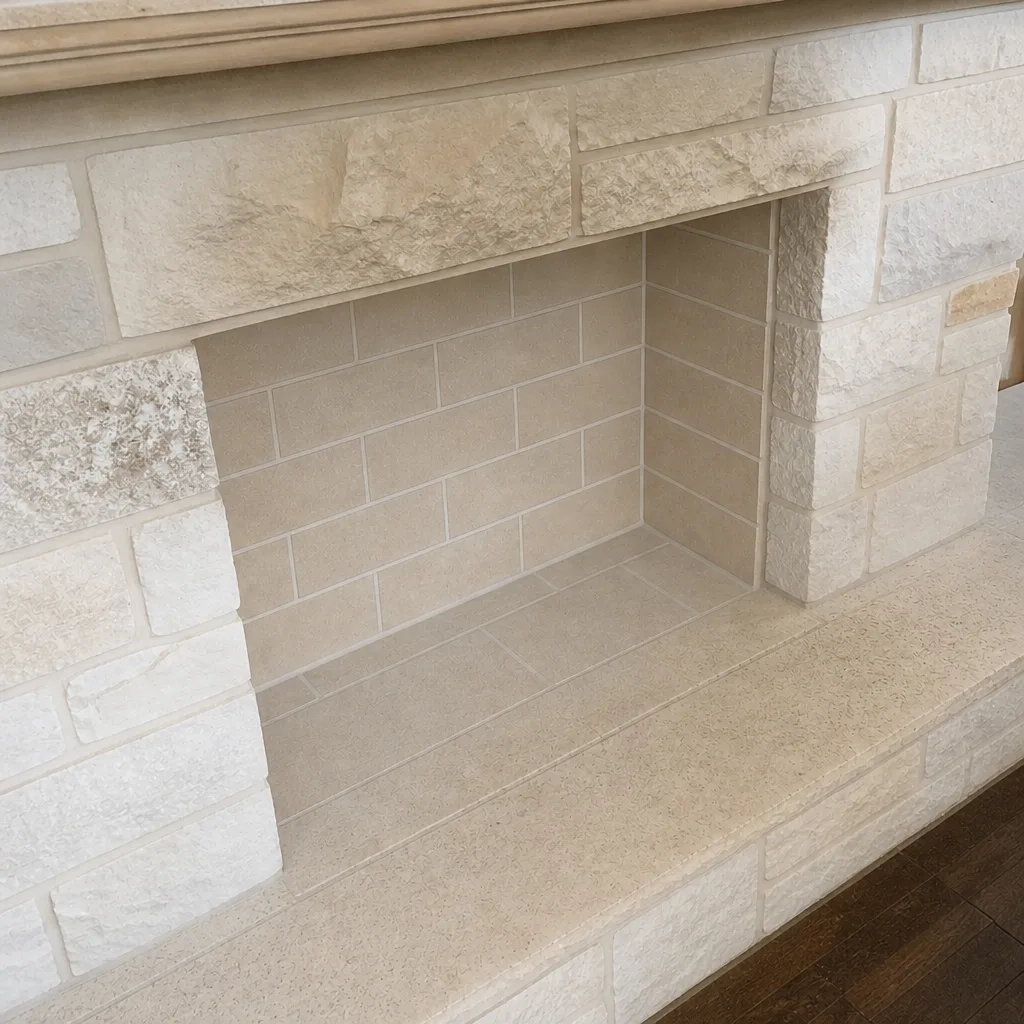
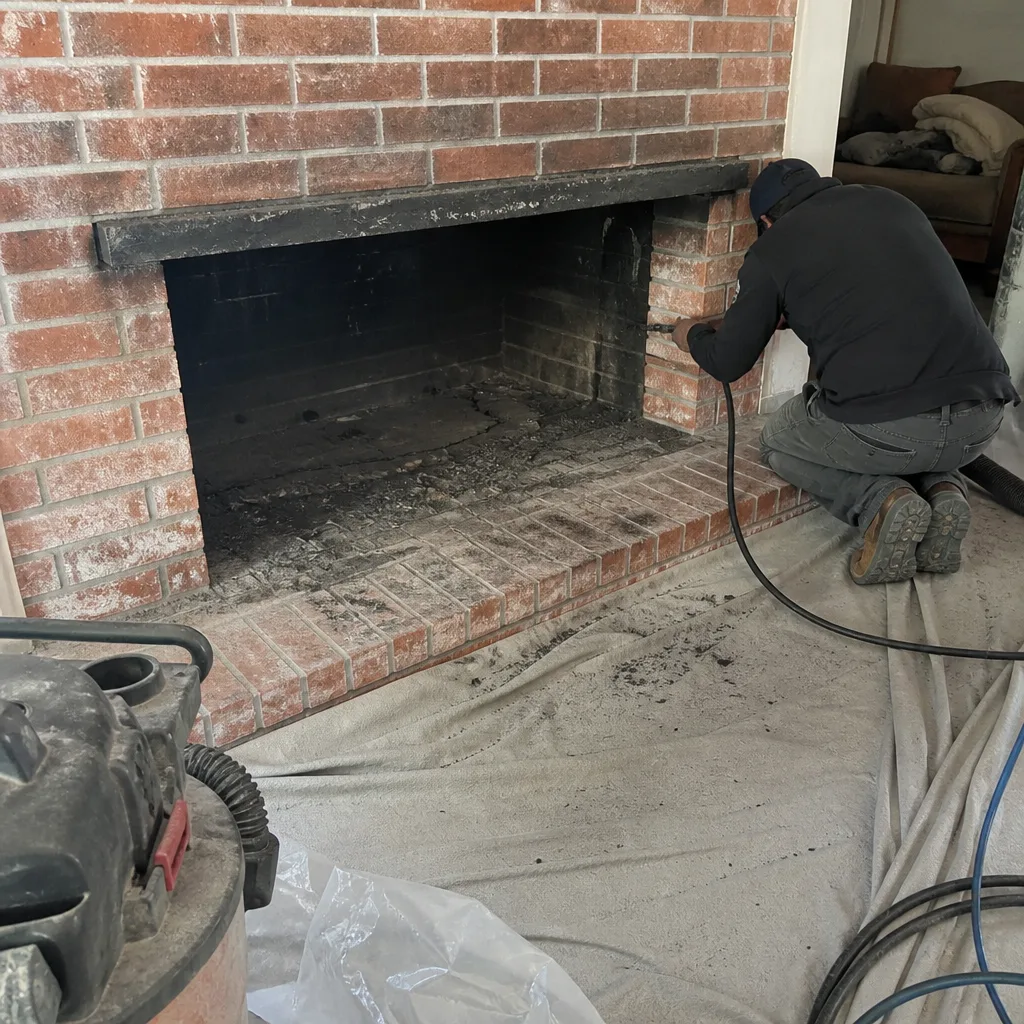
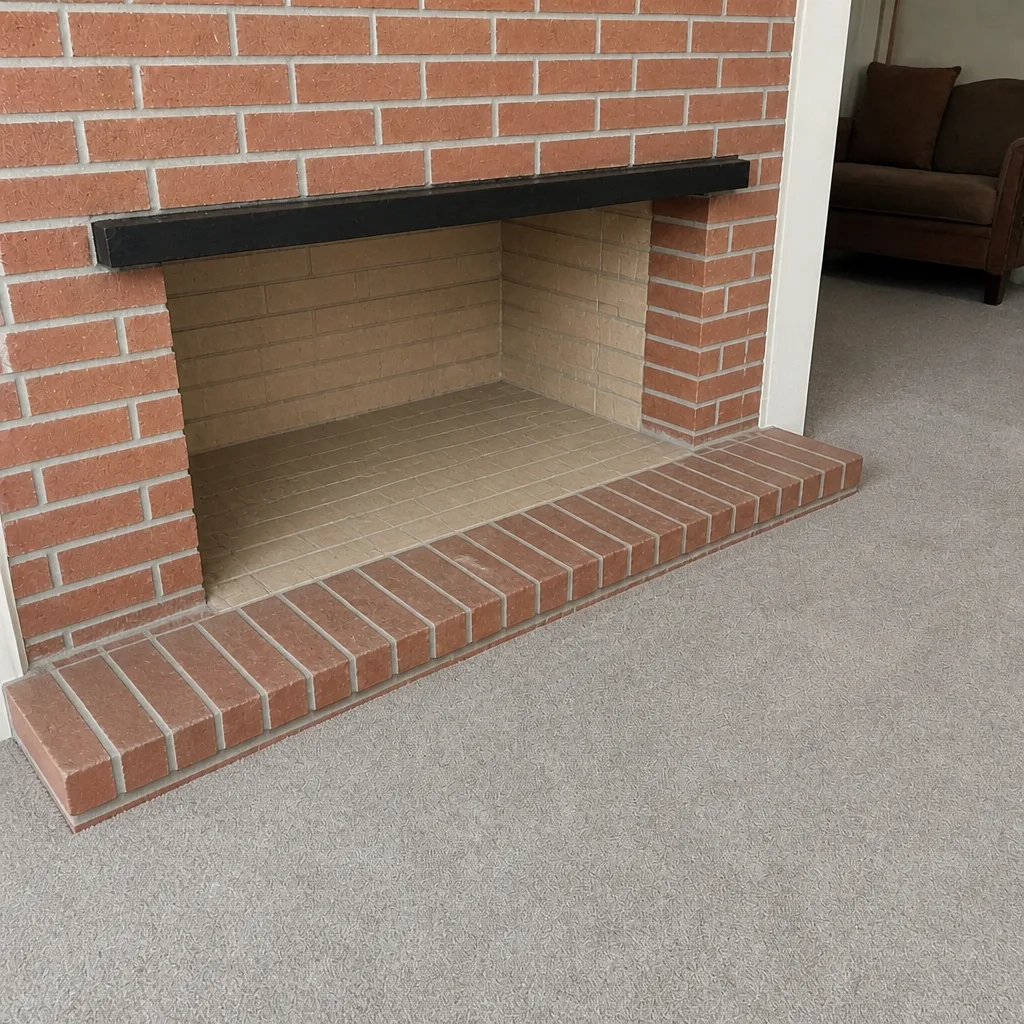
See the difference
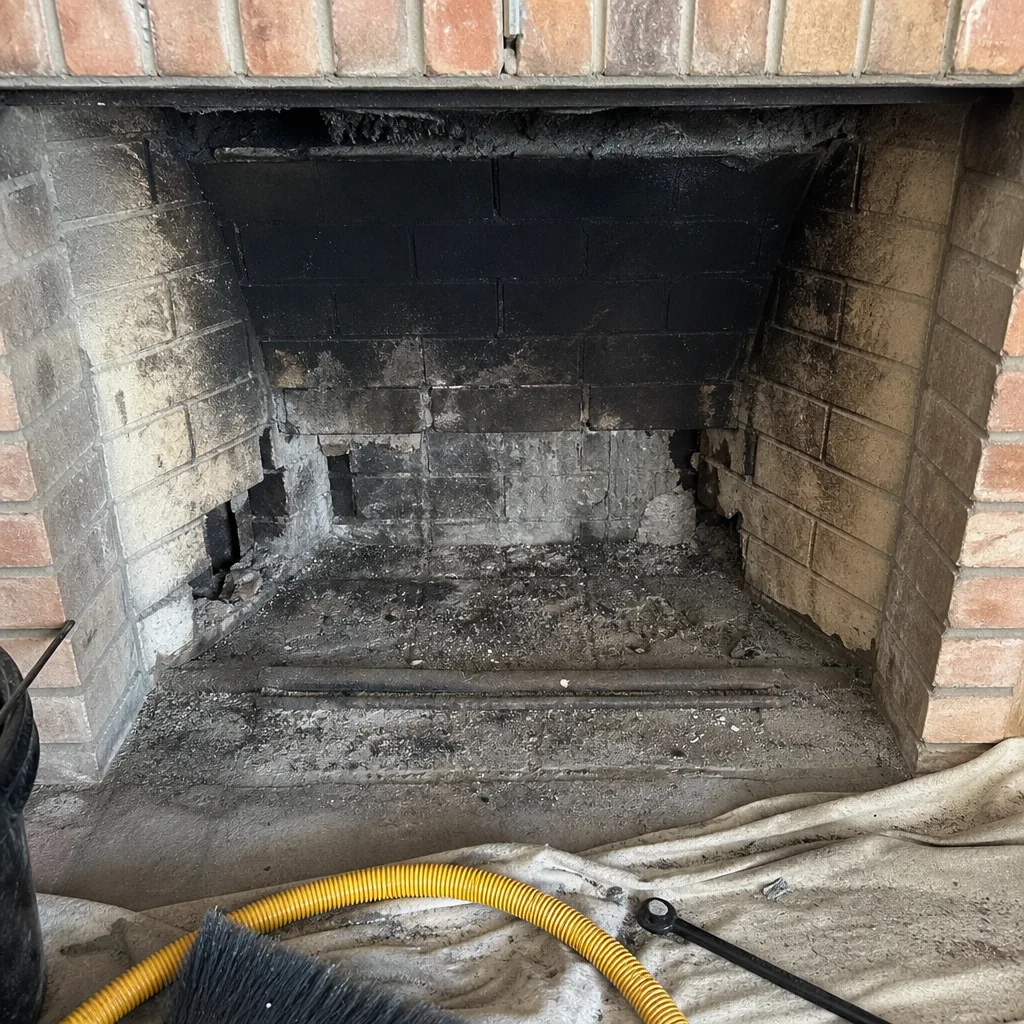 Before
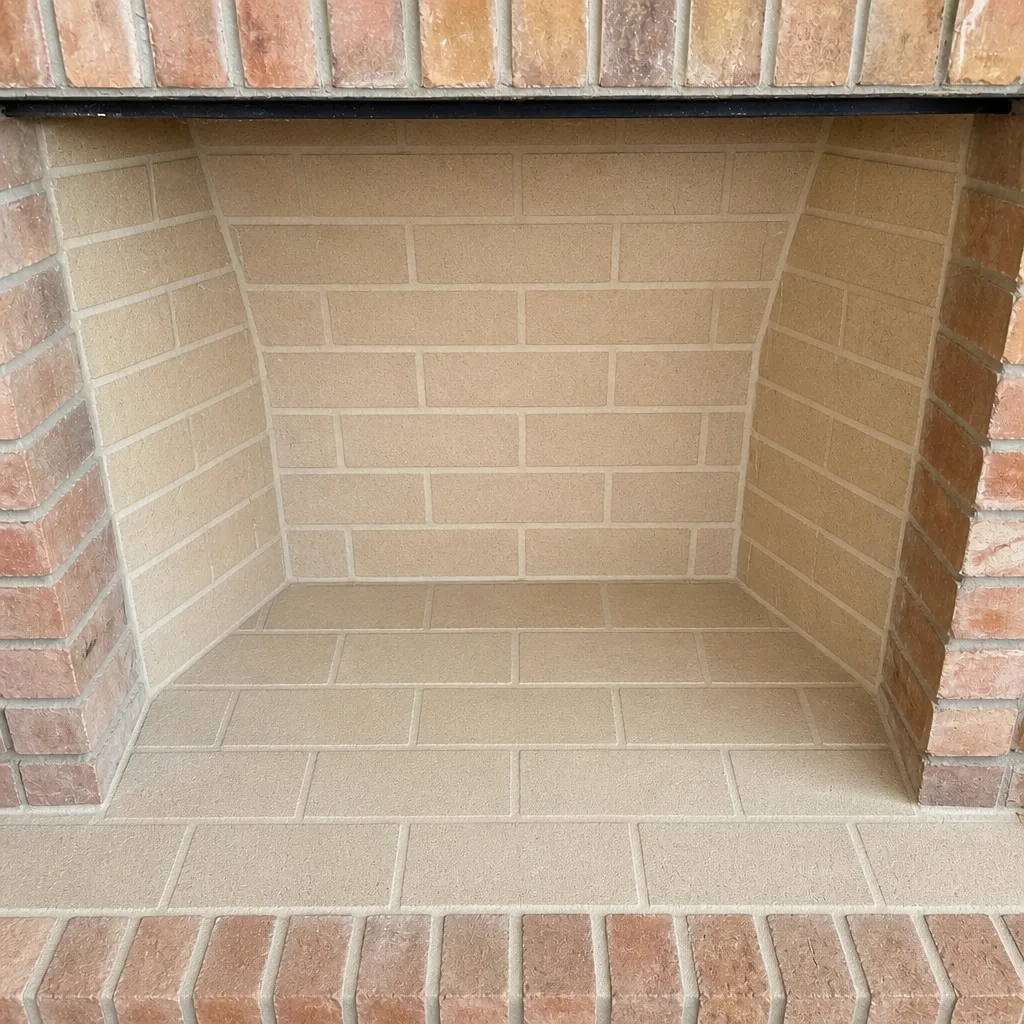 After
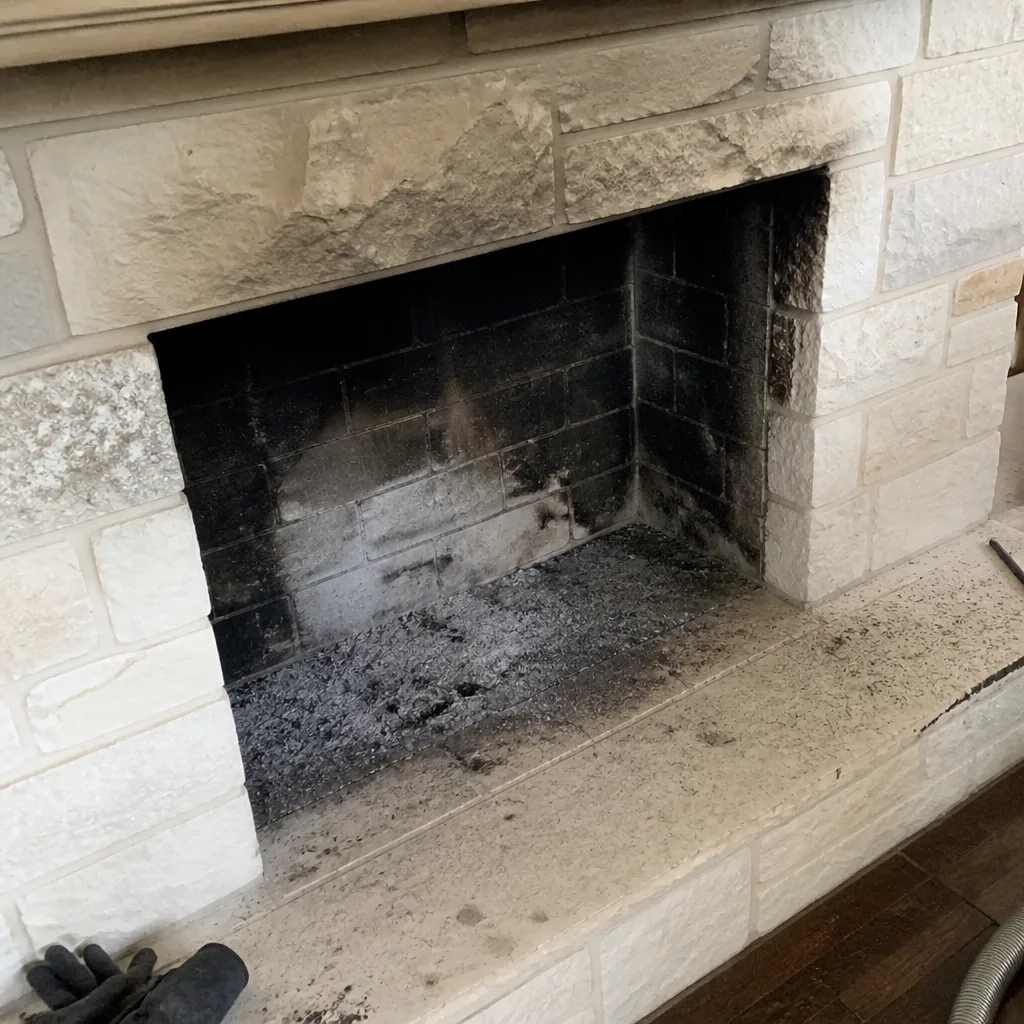 Before
 After
 Before
 After
When to Call a Professional
Some chimney conditions need to be assessed by a trained technician. Call a professional if your home inspection report flags a chimney issue, if you smell a strong creosote odor when the fireplace isn’t in use, if you see cracked or missing flue tile, if the crown is cracked or crumbling, if the cap is missing or loose, or if it’s been more than a year since the chimney was last swept and inspected. A chimney fire can happen with no obvious sign from the living room, and carbon monoxide is invisible and odorless. That’s why inspection matters: it’s how you find out what’s actually going on in the flue, not what you assume is going on.
Chimney Sweep Casa View offers free estimates in Casa View. Call (844) 947-2044. We answer 24/7. Fast dispatch from 7am to 7pm, Sunday through Friday. Every estimate is written, and nothing is recommended without camera evidence you can see for yourself.
Frequently Asked Questions
The right brand depends on the category. For liner systems, DuraFlex is the professional-grade stainless flexible system we install. For flue resurfacing, HeatShield is the ceramic repair system used to restore compromised flue tiles without demolition. For caps, crowns, and weather protection, Gelco and Famco supply commercial-quality components, and Olympia Chimney and Copperfield supply the kind of parts masonry contractors specify. Call (844) 947-2044 for an exact quote – estimates are free.
Not always. A new liner is the right answer when the flue is structurally failing, has no liner at all, or has tile missing in large sections. When the failure is confined to the tile joints and tile surface, HeatShield resurfacing can restore the flue without demolition. The only way to know which applies is a camera inspection. Ask to see the footage before you decide. Call (844) 947-2044 for an exact quote – estimates are free.
Most chimney professionals recommend an annual inspection, with sweeping as the inspection indicates. A fireplace in regular use may need sweeping more often; one in occasional use may need it less. The inspection is what determines the answer for your specific chimney, and it’s also how you catch a crown or cap problem before it turns into water damage. Call (844) 947-2044 for an exact quote – estimates are free.
Chimney sweep pricing varies with the flue configuration, the number of flues, and whether the service includes a camera inspection. The estimate should be written and agreed before any work begins, so there are no surprises on the invoice. We set the price per job by the written estimate rather than quoting a number over the phone. Call (844) 947-2044 for an exact quote – estimates are free.
Creosote accumulates in the flue with use, and it is flammable. A chimney fire can occur without obvious signs from the living room, and carbon monoxide can back up into the home if the flue is blocked or damaged. Water intrusion at the crown or cap also deteriorates masonry over time. None of this is meant to alarm – it’s the reason an annual inspection is worth the time. Call (844) 947-2044 for an exact quote – estimates are free.
Because performance under high flue gas temperatures is not the same across liner systems. Professional-grade stainless flexible liner carries stated temperature and corrosion ratings, wall thickness specifications, and a manufacturer who supports the installation. Imported liner sold online often carries none of that. The material difference doesn’t show up in the first month – it shows up over years, and it matters when you sell the house and a buyer asks for the warranty documentation. Call (844) 947-2044 for an exact quote – estimates are free.
The Bottom Line
Choosing the right chimney brand in Casa View starts with knowing which of the three product categories your job falls into – liner systems, joint and crown sealants, or waterproofing – and then asking which specification-grade product is being chosen and why. DuraFlex is the professional tier for flexible stainless relining. HeatShield is a legitimate non-demolition option for compromised flue tiles in specific failure scenarios. Gelco, Famco, Olympia Chimney, and Copperfield supply the caps and weather protection components that masonry contractors rely on. A contractor who can explain the choice is working from specification. One who can’t is working from habit. Ask for the camera evidence, ask for the paperwork, and ask when work can safely wait. Expect a specific answer to each.
Written by the team at Chimney Sweep Casa View.