
Last updated November 25, 2026
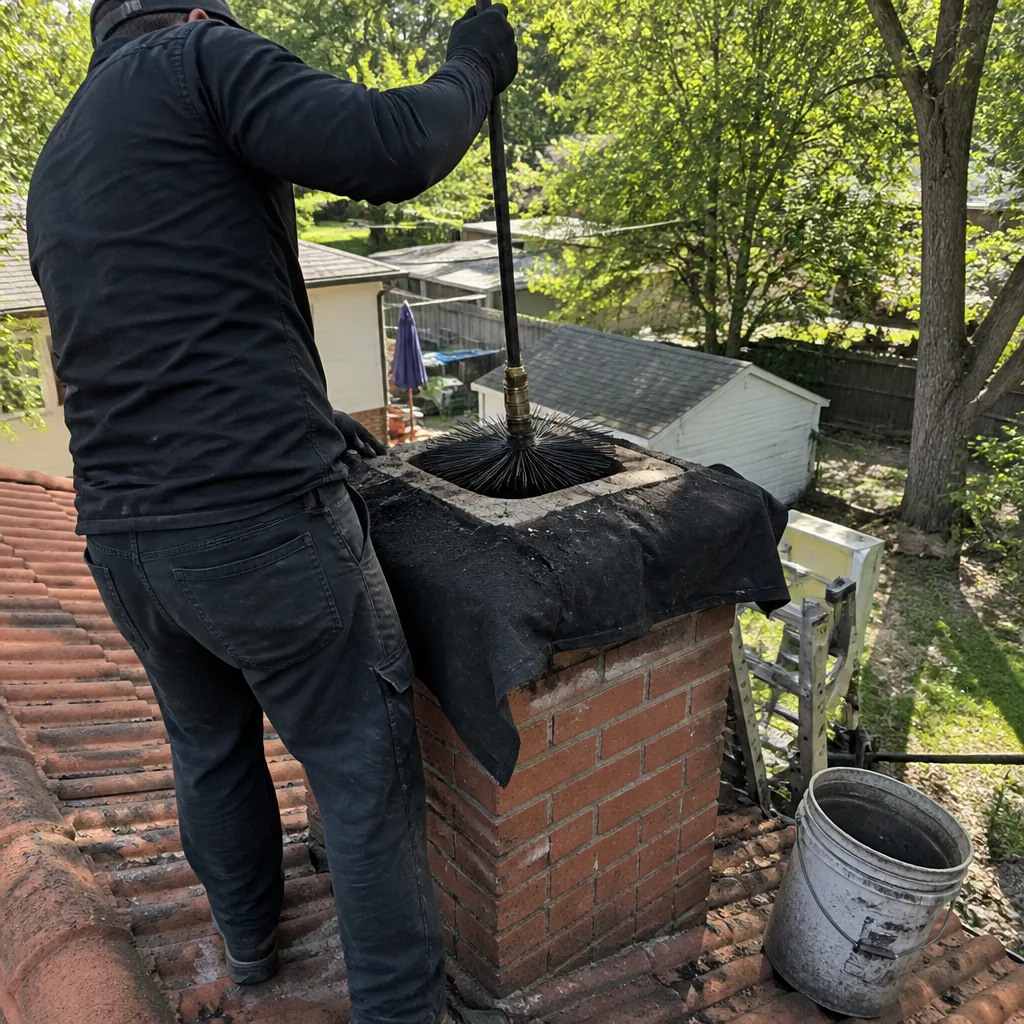
 Sweep & inspection
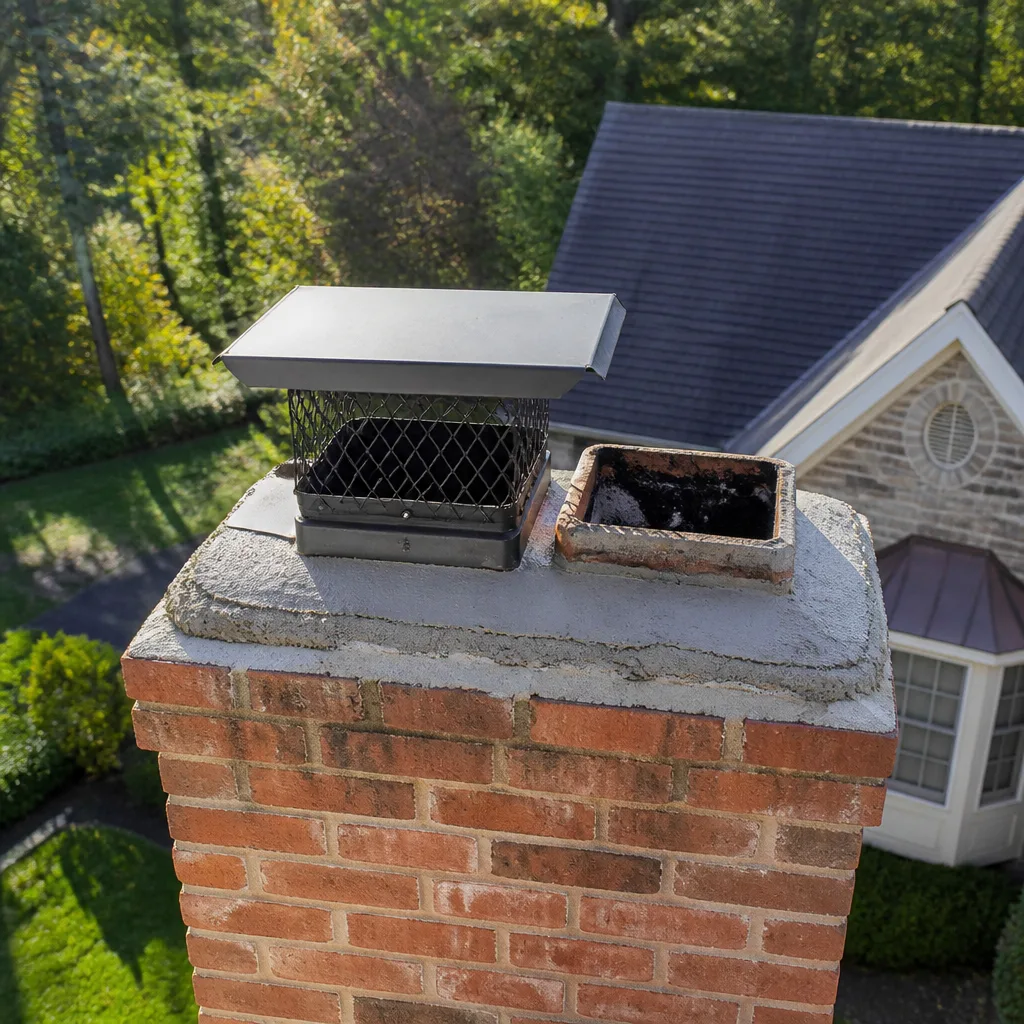
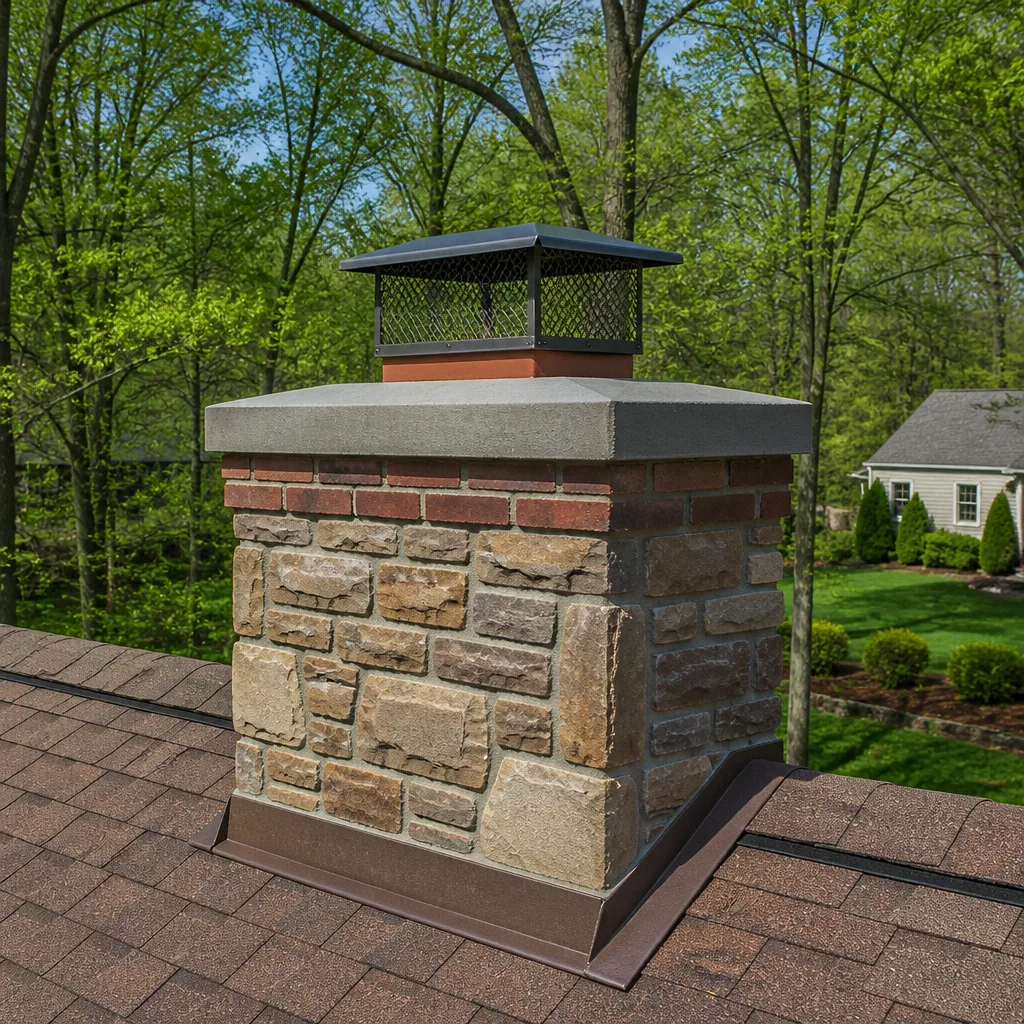 Caps & crowns
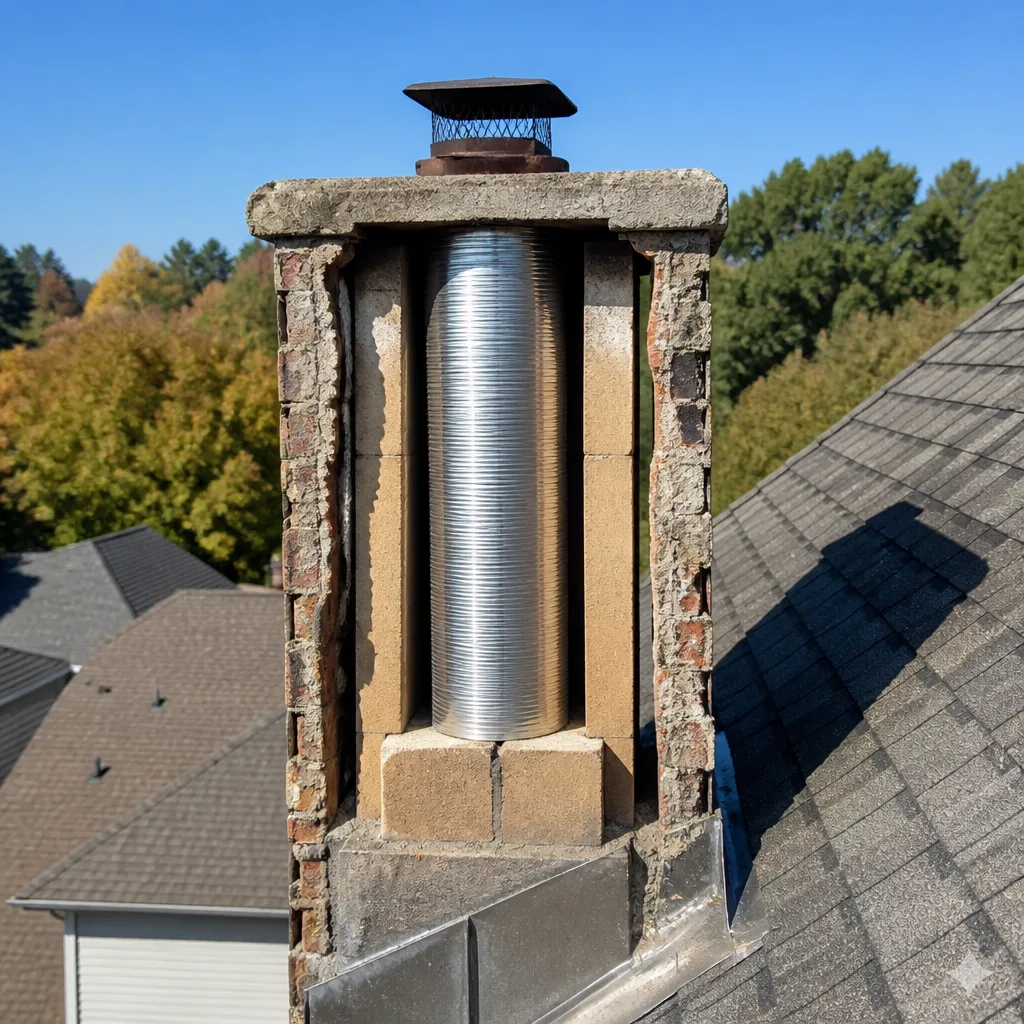 Flue relining
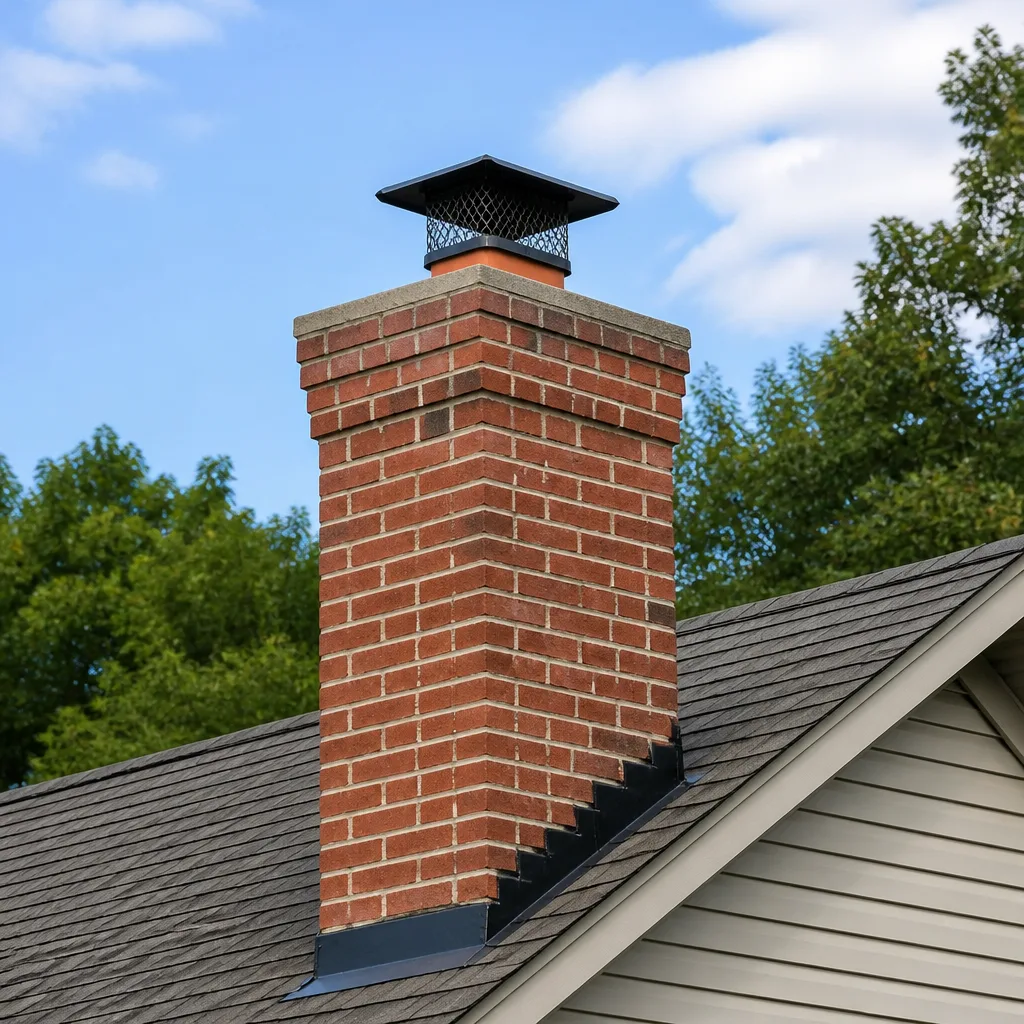 Masonry repair
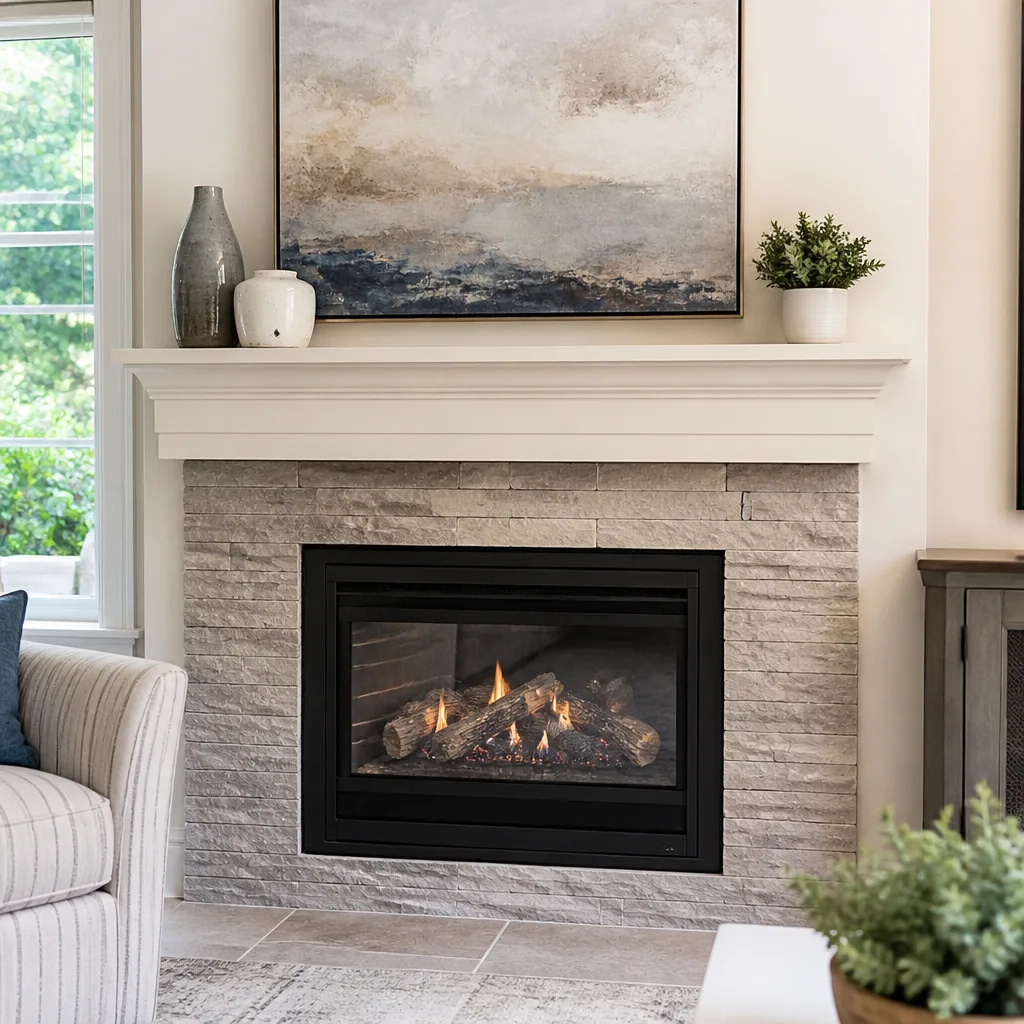 Gas fireplace service
Level 1 sweep and inspection to the NFPA 211 annual standard - flue, crown, cap, and flashing checked and photographed
Chimney sweep logs do not sweep chimneys. They loosen some creosote - which then falls where a brush and vacuum still have to collect it.
Chimney Cleaning Permits, Codes & Inspections in Casa View, TX: What You Need to Know
Here’s the part most homeowners get backwards: nobody needs a permit to have a chimney swept. Sweeping is routine maintenance, and in Texas a technician with a brush and a vacuum doesn’t file paperwork with anybody. But the repairs a sweep turns up are a different animal, and that’s where the line matters. A cracked flue liner, a rebuilt firebox, a new crown set in mortar – many of those jobs touch the structure of the house, and Dallas-area jurisdictions treat them as permitted work. In this guide we map where that line actually sits for Casa View homeowners, what gets inspected, what documentation proves a job was done to code, and how to check the history of work on a chimney you’re about to buy. If you’re scheduling work soon, start with a proper chimney sweep so you know what you’re dealing with before any permits enter the conversation.
Quick Answer
Chimney sweeping itself does not require a permit in Texas, but structural and system-level chimney repairs – liner replacement, firebox rebuilding, crown reconstruction, and new flue penetrations – usually do, and Dallas County’s local enforcement layers on top of the state-adopted International Residential Code. A licensed contractor should be able to tell you which category your job falls into before work starts and hand you documentation at completion that proves it passed inspection.
Styles & brands we work with
- Sweep & inspection
- Caps & crowns
- Flue relining
- Masonry repair
- Gas fireplace service
Table of Contents
- What Texas Building Code Says About Chimney Work
- Which Chimney Services Need a Permit and Which Don’t
- What a Code-Compliant Liner Installation Looks Like on Paper
- How to Verify Permit Status on Prior Chimney Work in Casa View
- The Insurance Consequences of Unpermitted Chimney Repairs
- Inspection Levels and How They Fit the Permit Process
- How Casa View Housing Stock Shapes Code Questions
- The Documentation Checklist for Any Chimney Job
What Texas Building Code Says About Chimney Work
Texas doesn’t publish its own model chimney code. Local jurisdictions adopt the International Residential Code, and IRC Chapter 10 is the section that governs chimneys and fireplaces – clearances to combustibles, flue sizing, masonry wall thickness, liner requirements, and termination height above the roof. Dallas and most surrounding municipalities adopt the IRC with local amendments. That means the technical standard for your Casa View chimney is the same IRC Chapter 10 standard used across much of the country, applied by a local building official who has the final say on what needs a permit.
What actually changes from one side of Casa View to the other is enforcement, not the standard. Casa View sits in Dallas County, and the permitting process runs through the city’s building department. The practical implications:
- The code is adopted, not invented. A contractor who tells you “Texas has no chimney code” is telling you they don’t work with the building department. IRC Chapter 10 is the reference, and it is enforced.
- Local amendments control details. Dallas-area amendments can tighten clearances, inspection scheduling, or documentation requirements beyond the base code.
- The building official interprets. Whether a specific repair needs a permit is a judgment the local official makes under the adopted code. A good contractor will already know the answer or will ask before quoting.
- Inspection is separate from permit. A permit authorizes work; inspection confirms the work matches the approved scope. Both can apply to the same job.
We watch this closely because the repairs we do – relining, crown rebuilds, cap installation – live right at the boundary. The right approach is to design the job so it’s code-compliant regardless of where the permit line falls, then let the paperwork follow.
Which Chimney Services Need a Permit and Which Don’t
This is the question to get right before anyone touches your chimney. In our experience across Casa View, the split looks like this:
Typically no permit needed (routine maintenance)
- Annual sweeping with a brush and vacuum
- Level I visual inspection of an accessible chimney
- Removal of creosote buildup
- Replacing a spark screen or a loose cap without altering the flue
- Damper maintenance that doesn’t open the firebox wall
Typically permit-required (structural or system-level work)
- Installing, replacing, or relining a flue – the liner is the chimney’s exhaust path and the code cares about it
- Rebuilding or re-facing a firebox
- Reconstructing a crown, or installing a new crown where none existed
- Any alteration to the chimney’s height, termination, or clearance to combustibles
- Adding a new flue penetration for a fireplace insert or appliance
- Structural repairs to the masonry stack itself
The pattern behind the list: maintenance restores something that was already there, and structural work changes or replaces a component the code governs. A chimney cap & crown replacement is the good example of where this gets ambiguous. Swapping a damaged cap for a new one that matches the existing dimensions is often maintenance. Rebuilding a crown that’s lost its slope and seal, or adding a cap where none existed, is often structural. A licensed contractor will tell you which side of the line you’re on before quoting. Whoever shows up should be able to say it plainly.
What a Code-Compliant Liner Installation Looks Like on Paper
A liner installation that passes inspection isn’t just a good-looking result inside the flue. It’s a specific trail of documentation that travels with the house. If your contractor finishes and hands you only an invoice, you’re missing the records a buyer’s inspector will ask for later. The documentation package for a properly permitted liner job should include:
- A written scope of work describing the existing flue condition, the liner type, the inside diameter, and the termination configuration.
- The manufacturer’s installation instructions for the specific liner system – DuraFlex systems ship with these, and the inspector uses them to verify the install.
- A copy of the filed permit with the permit number and the inspection signature.
- Photographs of the liner installed, typically taken before the top cap is set, showing the full run and the termination at the crown.
- A final inspection sign-off from the local building department confirming the work matches the approved scope.
- A written warranty from the manufacturer naming the product and the installation date.
We keep that package for every reline because it’s the only way to prove, years later, that the work was done to code. If you’ve already got a liner and you’re not sure what’s inside the chase, a Chimney Sweep Casa View inspection with a camera can tell you what’s actually there before you buy or sell.
How to Verify Permit Status on Prior Chimney Work in Casa View
If you’re buying a Casa View home and the inspection report flags prior chimney repair, verifying permits is straightforward and worth doing before you close. The process:
- Find the address on the city’s online permit portal. Dallas publishes permit history by address; most repairs from the last two decades show up if they were pulled.
- Request the permit record. Ask for the inspection history, not just the permit itself. A permit with no final inspection is a red flag.
- Ask the seller for the completion documentation – warranty, photos, inspection sign-off. If they can’t produce it, assume the work was unpermitted until proven otherwise.
- Have the chimney inspected at Level II. A video scan of the flue is the only way to confirm the liner system matches the documentation.
- Get a written quote for retroactive permitting if the work turns out to be unpermitted. Know what it costs before you negotiate, not after.
We’ve seen this play out in Casa View and across Dallas County: a buyer’s inspector flags a liner or firebox rebuild with no permit on file, and the sale gets held up while the seller scrambles to prove the work was done correctly. The fix is usually straightforward – a re-inspection and, where needed, a permit for the existing installation – but it takes time and costs more than the original permit would have. Verifying early is much cheaper than verifying under contract.
The Insurance Consequences of Unpermitted Chimney Repairs
Insurance carriers care about permitted, inspected chimney work for two reasons, and both affect you at claim time. The first is that an unpermitted liner or firebox rebuild is, from the carrier’s point of view, an unverified modification to a fire-bearing system. That’s a claim-review problem, not an automatic denial, but it’s the kind of thing that turns a clean chimney fire claim into a months-long negotiation. The second is that some carriers require disclosure of unpermitted work at the time of application or renewal, and material misrepresentation – even by omission – can void coverage.
What this means in practice:
- Keep your permit and inspection records with your homeowner insurance file. If a chimney fire happens, proving the work was permitted and inspected is one of the cleanest defenses you have.
- If you buy a home with unpermitted chimney work, get it inspected and, where appropriate, retroactively permitted before you file a claim – not after.
- Chimney fire claims specifically turn on whether the flue was properly maintained. A current sweep record (and a code-compliant liner) supports the claim; a history of skipped maintenance does not.
- Ask your carrier directly what documentation they want for a chimney fire claim. It varies, and the answer is usually a sweep record plus a liner receipt.
Nobody buys a house expecting to file a chimney fire claim. Getting the paperwork right on the front end is the cheapest insurance there is.
Inspection Levels and How They Fit the Permit Process
Not every inspection is the same, and the inspection level you need depends on what you’re doing. Three levels apply to residential chimney work:
- Level I – annual maintenance inspection. Visual check of accessible parts of the chimney and flue, no tools that could damage the structure. Routine, done as part of the annual sweep. No permit involved.
- Level II – the inspection for a real estate transaction, a change of appliance, or a repair. Includes a video scan of the flue and inspection of accessible attic and crawl spaces. If a liner is going in, or a home is selling, this is the level you need. It’s also the level most building departments reference when confirming repairs.
- Level III – the inspection when a hazard is suspected. Involves opening walls or removing parts of the chimney structure. This level is diagnostic, and it’s the one that shows up when a chimney fire, seismic event, or prolonged moisture damage is suspected.
In Casa View, the Level II is the workhorse. It’s what we generally recommend before buying a home, before installing a liner, and after a chimney fire. If you’ve had smoke backing up, water in the firebox, or a strong creosote smell in warm weather, the Level II is what tells you whether the issue is routine or structural. A fireplace repair that starts with the wrong inspection level ends up being the wrong repair.
How Casa View Housing Stock Shapes Code Questions
Casa View is a mid-century neighborhood, and it shows up in the chimneys in specific ways. Many of the homes here were built in the 1950s and 1960s with masonry fireplaces and clay-tile flues. The original tile liners in those houses have had sixty-plus years to crack, spall, and separate at the joints, and after that long, an unlined chimney is the single most common code problem we see in Casa View.
Three patterns come up again and again:
- Original clay liner deterioration. Tile liners crack from thermal cycling and from chimney fires that went unrepaired. When the gaps between sections open up, the flue has no continuous barrier and the code requires a new listed liner.
- Skipped liner on a mid-century retrofit. Some of these homes had inserts or wood stoves added in the 1970s and 1980s without proper stainless liners. If you buy one, that’s a permit and documentation question even before it’s a performance question.
- Roof line and crown wear. The flat, wide chimneys common in Casa View develop hairline cracks at the crown and flashing. Crown and cap work is where code compliance meets water intrusion – and where a proper Gelco cap or a rebuilt crown with the right slope makes the difference.
Dallas winters are short and mild, which means a lot of these chimneys sit untouched for years between burns and then get pushed hard during the cold snap. That cycle accelerates wear. The liner either holds or it doesn’t, and the inspection is what tells you which.
The Documentation Checklist for Any Chimney Job
Whether the work is a routine sweep or a full reline, you should walk away with a paper trail. Here’s what to ask for before you pay the invoice:
- Pre-work inspection report with photos and the inspection level noted.
- Written estimate with the scope of work spelled out – not “repair flue” but “install 6-inch DuraFlex liner with the specified termination and cap.”
- Copy of the permit and inspection sign-off, if a permit was required for the scope.
- Manufacturer’s documentation for any liner, cap, or resurfacing system used – HeatShield ceramic resurfacing comes with its own written spec sheet that specifies cure time and final thickness, and it belongs in your file.
- Photos of completed work, especially for anything you can’t see from the ground.
- A written warranty and the name of the company that stands behind it.
If a contractor won’t provide those documents, or promises “the paperwork doesn’t matter in Texas,” that’s your signal to look elsewhere. The companies that do it right provide records because the records are part of the job.
Common Mistakes to Avoid
- Assuming “no permit needed to sweep” means “no permit for anything.” Sweeping is maintenance; relining, firebox work, and crown reconstruction generally are not. Get the specific scope confirmed in writing, not verbally.
- Not pulling the permit record before buying a Casa View home. A home inspector flags the chimney; the permit history tells you whether the flagged work was done legally. Those are different questions and only one of them shows up in a visual inspection.
- Accepting a “retroactive permit” quote without paperwork. Retroactive permitting is legitimate when the work is sound, but it should be filed, inspected, and signed off – not just promised.
- Skipping the Level II because a Level I “looks fine.” A Level I can’t see around a flue offset or past a cracked tile liner. If you’re selling or buying, or if a repair is on the table, you need the Level II.
- Letting a handyman install a liner. The liner is a code-governed system that requires a specified installation and, often, an inspection. It’s not a weekend project, and the warranty depends on proper installation.
- Filing the paperwork nowhere. Your permit, inspection sign-off, and warranty should live with your homeowner insurance file, not in a drawer you’ll forget about. When you sell, the buyer will ask.
- Believing the “we’ll handle it without a permit” pitch. That’s a shortcut that costs the homeowner – not the contractor – later, because you’re the one who owns the unpermitted work and the title problem that follows.
See the difference
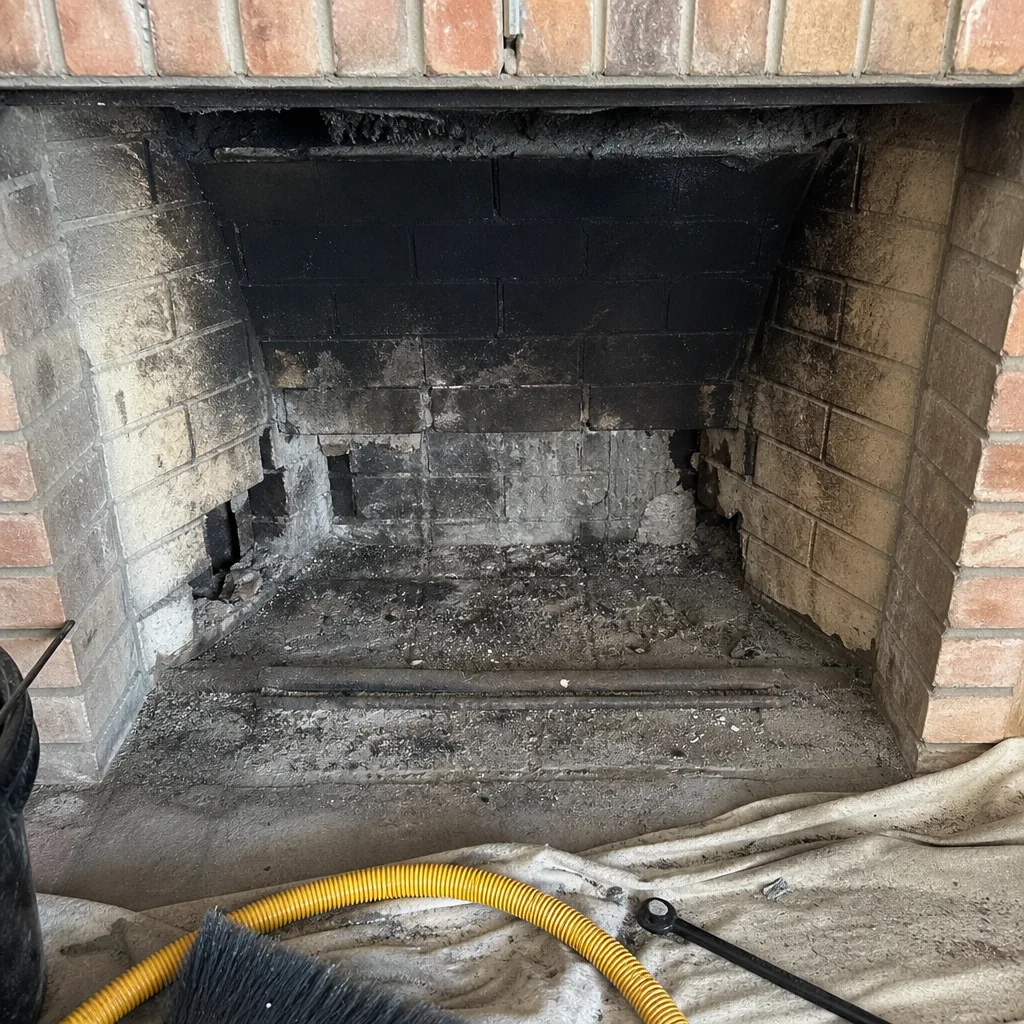 Before
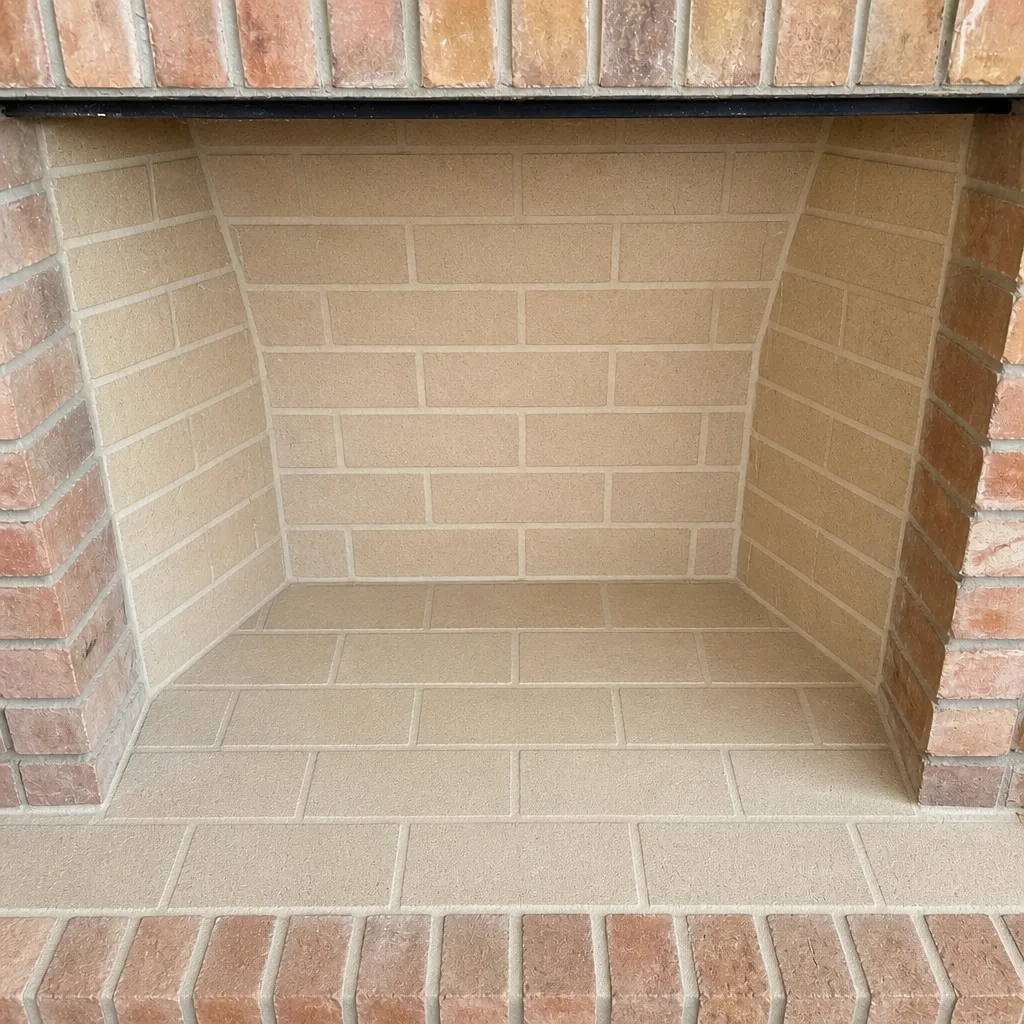 After
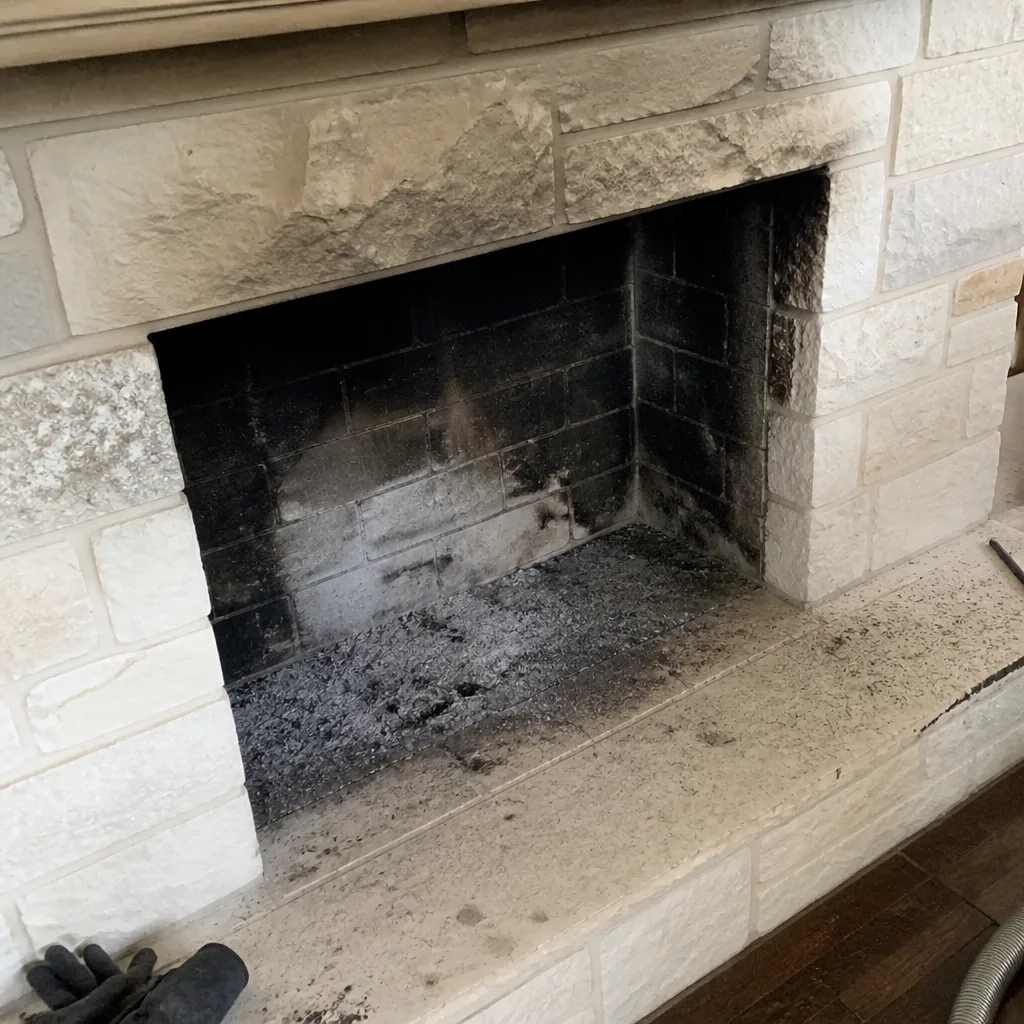 Before
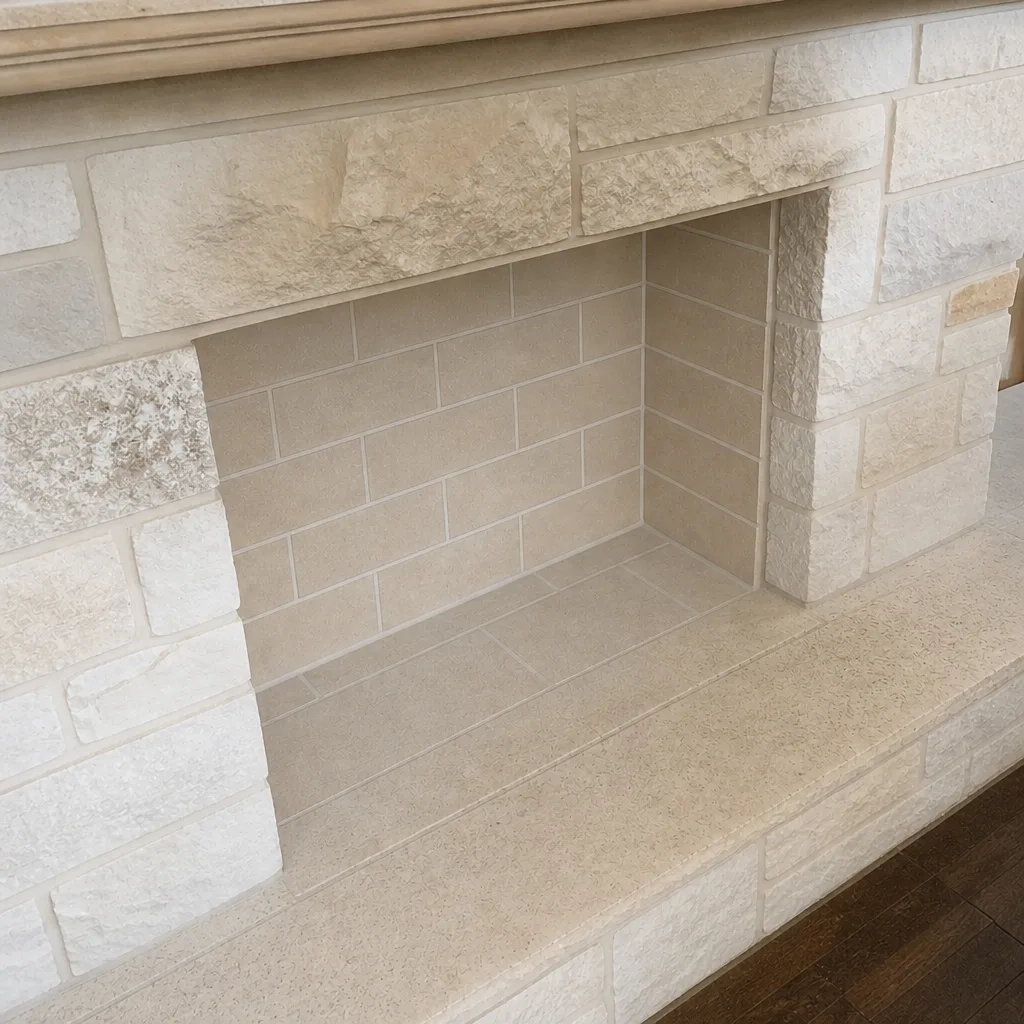 After
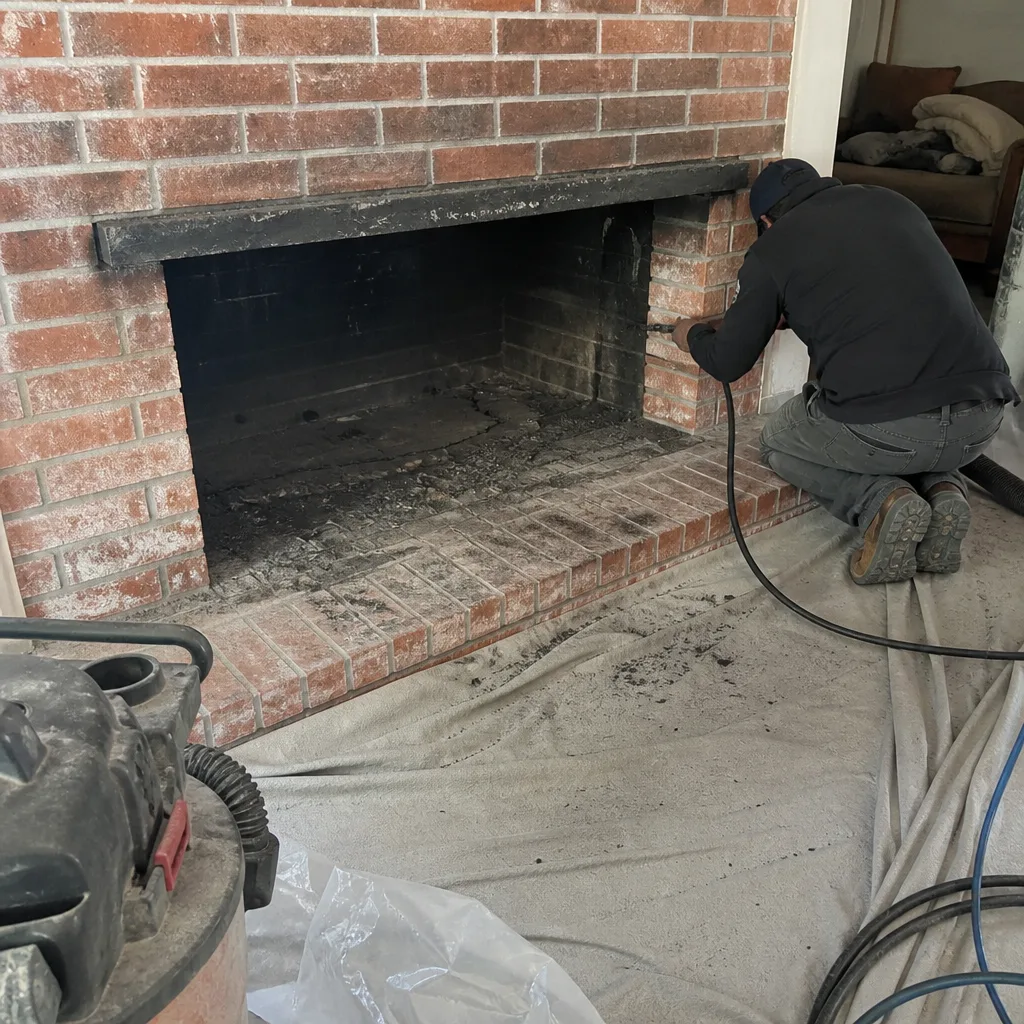 Before
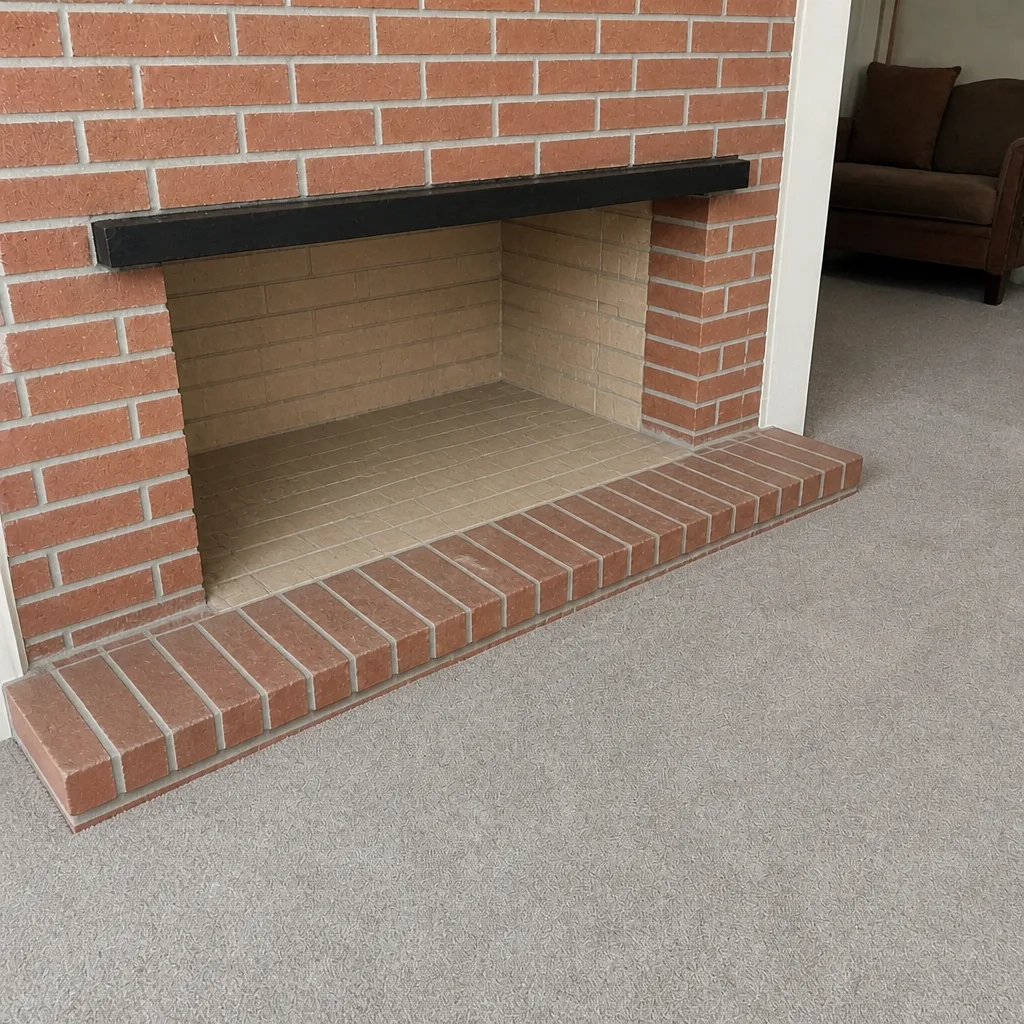 After
When to Call a Professional
If your chimney has never been inspected, if the last sweep was several winters ago, or if you’re anywhere in the buying or selling process on a Casa View home, that’s the call. If you’ve had a chimney fire – even a small one – or if smoke has backed into the room, the inspection is not optional. If you’re seeing water in the firebox, a crumbling crown, or a cap that no longer seals against the flue, those are usually repairs that come with a permit conversation and the sooner they’re sorted, the cheaper they are. Chimney Sweep Casa View offers free estimates in Casa View – call (844) 947-2044. We answer 24/7. Fast dispatch from 7am to 7pm, Sunday through Friday.
Frequently Asked Questions
No. Chimney sweeping is routine maintenance in Texas and doesn’t require a permit in Casa View or anywhere in Dallas County. What can require a permit is repair work a sweep identifies – liner replacement, firebox rebuilds, crown reconstruction – so the sweep and the repair often need to be treated as two separate compliance questions. Call (844) 947-2044 for an exact quote on inspection – estimates are free.
Liner installation or replacement, firebox rebuilding, crown reconstruction, structural repairs to the stack, and any change to the flue’s height or termination generally require a permit in Dallas County. Swapping a damaged cap for an identical one is usually treated as maintenance. The specific answer for your job comes from the local building official, and a licensed contractor should be able to tell you which category your scope falls into before work begins. Call (844) 947-2044 and we’ll walk through the scope with you.
Search the Dallas permit portal by address, request the inspection history, and ask the seller for the completion documentation. If the work doesn’t appear in the permit records, treat it as unpermitted and have the chimney inspected at Level II before closing. That inspection tells you whether the system is safe and what retroactive permitting would involve. Call (844) 947-2044 to schedule the Level II inspection – estimates are free.
An unpermitted liner isn’t an automatic denial, but it turns a clean chimney fire claim into a review, and it can complicate coverage if the carrier treats the work as undisclosed. A permitted, inspected liner plus a current sweep record is the documentation your carrier wants to see. Ask your carrier directly what they require; then get the records. Call (844) 947-2044 to schedule the inspection and get the paperwork started.
Annual sweeping is the standard recommendation for a fireplace in regular use, and Casa View’s long, warm off-season makes the annual check especially useful because it catches deterioration that doesn’t show while the chimney is cold. If you burn often, or burn unseasoned wood, a mid-season check is worth it. Call (844) 947-2044 for a free estimate on the annual sweep.
A Level I is a visual annual inspection of accessible parts. A Level II adds a video scan of the flue and is required for real estate transactions, appliance changes, and repairs. A Level III opens the structure and is used when a hazard is suspected. If you’re buying a home or planning a liner, you need the Level II. Call (844) 947-2044 to schedule the right level for your situation.
The Bottom Line
Chimney sweeping in Casa View doesn’t need a permit, but the repairs a sweep finds often do, and those permits belong in your homeowner file, not just in the contractor’s truck. Texas adopts IRC Chapter 10, Dallas County enforces it through the local building department, and the difference between maintenance and structural work is the line you need to ask about before any job starts. The documentation matters as much as the work: permit, inspection sign-off, photos, and warranty should travel with the house. If you’re buying or selling in Casa View, verify the permit history early. If you’re scheduling a sweep or an inspection, get the paperwork right the first time. Call (844) 947-2044 for a free estimate. We answer 24/7. Fast dispatch from 7am to 7pm, Sunday through Friday.
Written by the team at Chimney Sweep Casa View.