
Last updated November 25, 2026
 Sweep & inspection
 Caps & crowns
 Flue relining
 Masonry repair
 Gas fireplace service
Level 1 sweep and inspection to the NFPA 211 annual standard - flue, crown, cap, and flashing checked and photographed
Chimney sweep logs do not sweep chimneys. They loosen some creosote - which then falls where a brush and vacuum still have to collect it.
Chimney Sweep Maintenance Checklist for Casa View Homeowners
Most chimney maintenance checklists online were written for New England homes that burn wood eight months a year. If you’re in Casa View burning a cord of wood between November and February, those checklists are either overkill or missing the items that actually matter here. The truth is a maintenance checklist isn’t a to-do list you hand to anyone with a brush. It’s a decision tree. Some tasks are safe for you to handle. Some need a licensed sweep with camera equipment. A few are emergency calls. This guide builds that decision tree specifically for Casa View homes, from the ground-level checks you can do yourself to the moment you need professional-grade materials like HeatShield or a DuraFlex liner.
Quick Answer
A practical chimney maintenance checklist for a Casa View homeowner covers three tiers of tasks: ground-level visual checks you can do yourself each month, annual professional sweeping and a Level II camera inspection, and emergency calls for any sign of a chimney fire, strong creosote odor, or smoke backing into the room. Most Casa View homes need a professional sweep once a year, timed before the heating season starts, plus a full inspection after any hailstorm, prolonged rain, or major soil movement around the foundation.
Styles & brands we work with
- Sweep & inspection
- Caps & crowns
- Flue relining
- Masonry repair
- Gas fireplace service
Table of Contents
- The Three-Tier Decision Tree: What You Can Do, What a Pro Must Do, What’s an Emergency
- The Five Ground-Level Checks Every Casa View Homeowner Can Do
- The Annual Professional Sweep: What Actually Happens
- Casa View-Specific Triggers: Hail, Drought Soil Shift, and Long Rain
- How to Log Chimney Maintenance to Protect an Insurance Claim
- HeatShield Resurfacing vs. a Full DuraFlex Liner: Which Does Your Chimney Need?
- A Seasonal Checklist Calendar for Casa View
- Common Mistakes to Avoid
The Three-Tier Decision Tree: What You Can Do, What a Pro Must Do, What’s an Emergency
Every task on a chimney maintenance checklist falls into one of three categories. Knowing which is which is what separates a homeowner who protects their chimney from one who either neglects it or damages it trying to save a service call.
Tier 1 – Homeowner-safe. These are observation and housekeeping tasks. You’re looking, listening, and cleaning the firebox of ash. Nothing in this tier involves climbing on the roof, opening the flue, or touching a component you can’t see and understand.
- Checking the firebox for cracks, crumbling mortar, or loose bricks after a fire cools
- Looking at the chimney exterior from the ground for missing cap pieces or cracked crown
- Watching for smoke that curls back into the room instead of rising up the flue
- Sniffing for a sharp, sour creosote odor when the fireplace is idle
- Keeping the area around the hearth clear of paper, kindling, and furniture
Tier 2 – Professional-required. These tasks need a licensed sweep with brushes sized to your flue, a camera, and the tools to diagnose what the camera reveals. Attempting them yourself risks a creosote fire, carbon monoxide exposure, or damaged flue tiles.
- Annual sweeping of the flue to remove creosote and soot
- Level I and Level II inspections, including a video camera run of the flue
- Cap and crown replacement, which means getting on the roof
- Flue relining with a DuraFlex flexible system or resurfacing with HeatShield
- Fireplace masonry repair and firebox rebuilds
Tier 3 – Emergency-call. These are the situations where you stop using the fireplace and pick up the phone. Do not burn another fire to “see if it clears up.”
- A roaring sound from the chimney, or a hot smell that isn’t wood smoke
- Smoke pouring into the room when the damper is open and the fire is drawing
- Visible flame or glowing embers coming out of the top of the chimney
- A carbon monoxide detector alarm anywhere in the home
- Cracks or separated components in the flue visible through the firebox
This three-tier structure is the backbone of everything that follows. When you’re staring at an unfamiliar chimney problem in Casa View, ask which tier it belongs to before you do anything else.
The Five Ground-Level Checks Every Casa View Homeowner Can Do
You don’t need a ladder or a roof walk to catch most chimney problems early. These five checks take about ten minutes total and you can do them from your yard and your living room. Do them once a month during the season you burn, and again after any storm that drops hail or heavy rain.
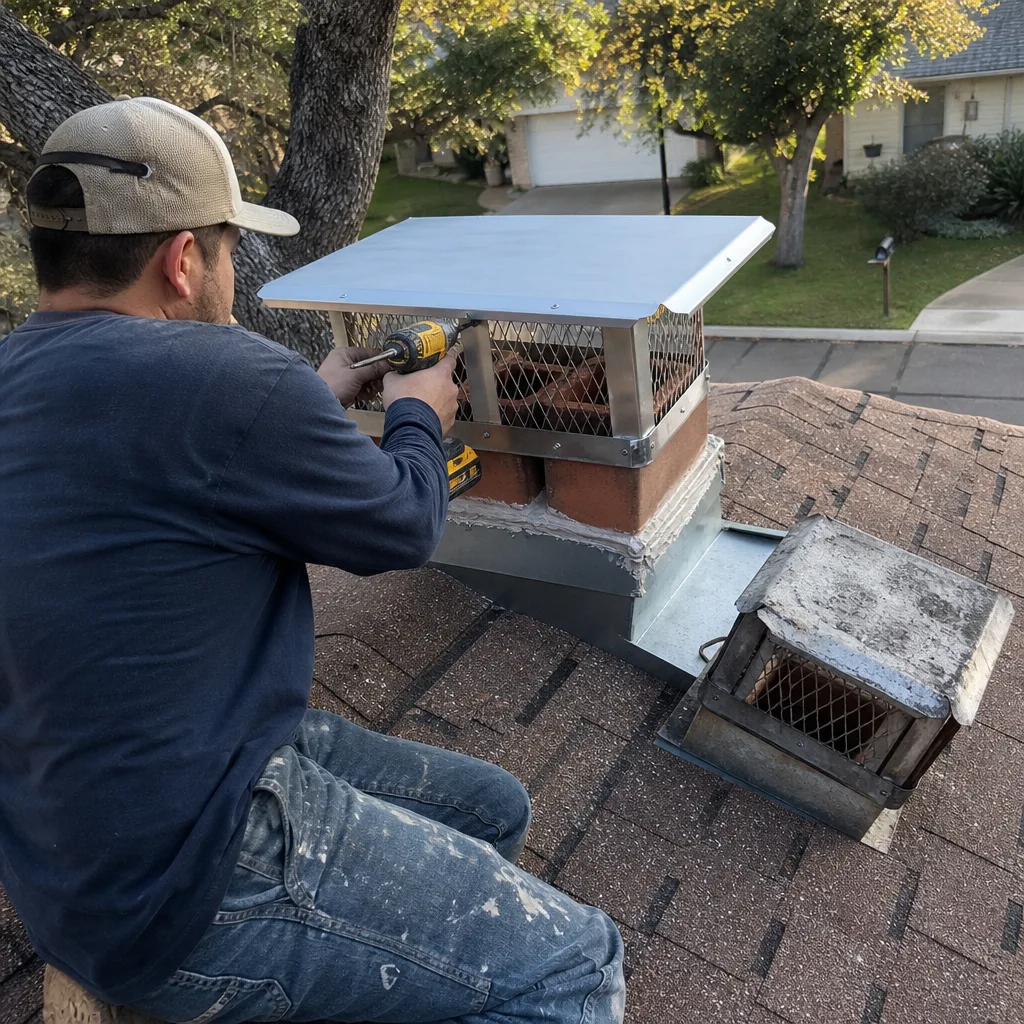
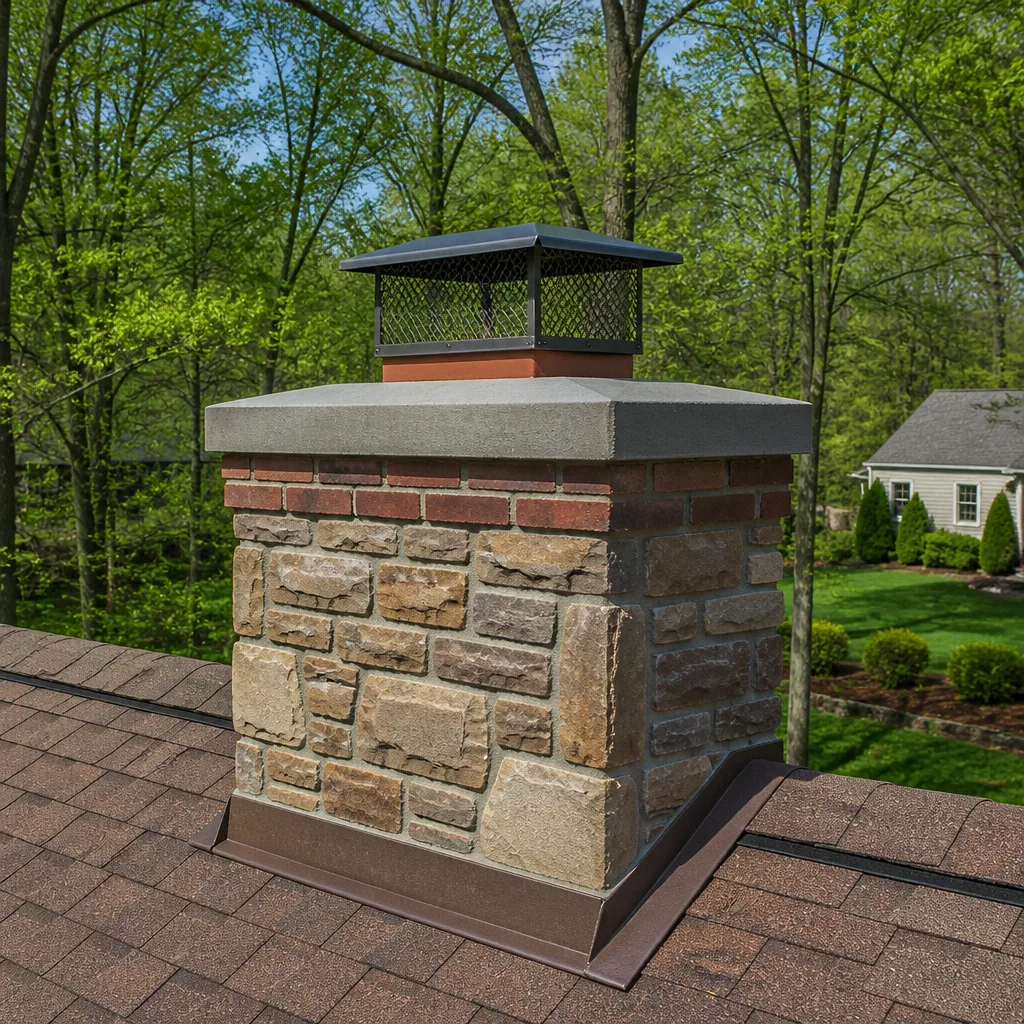
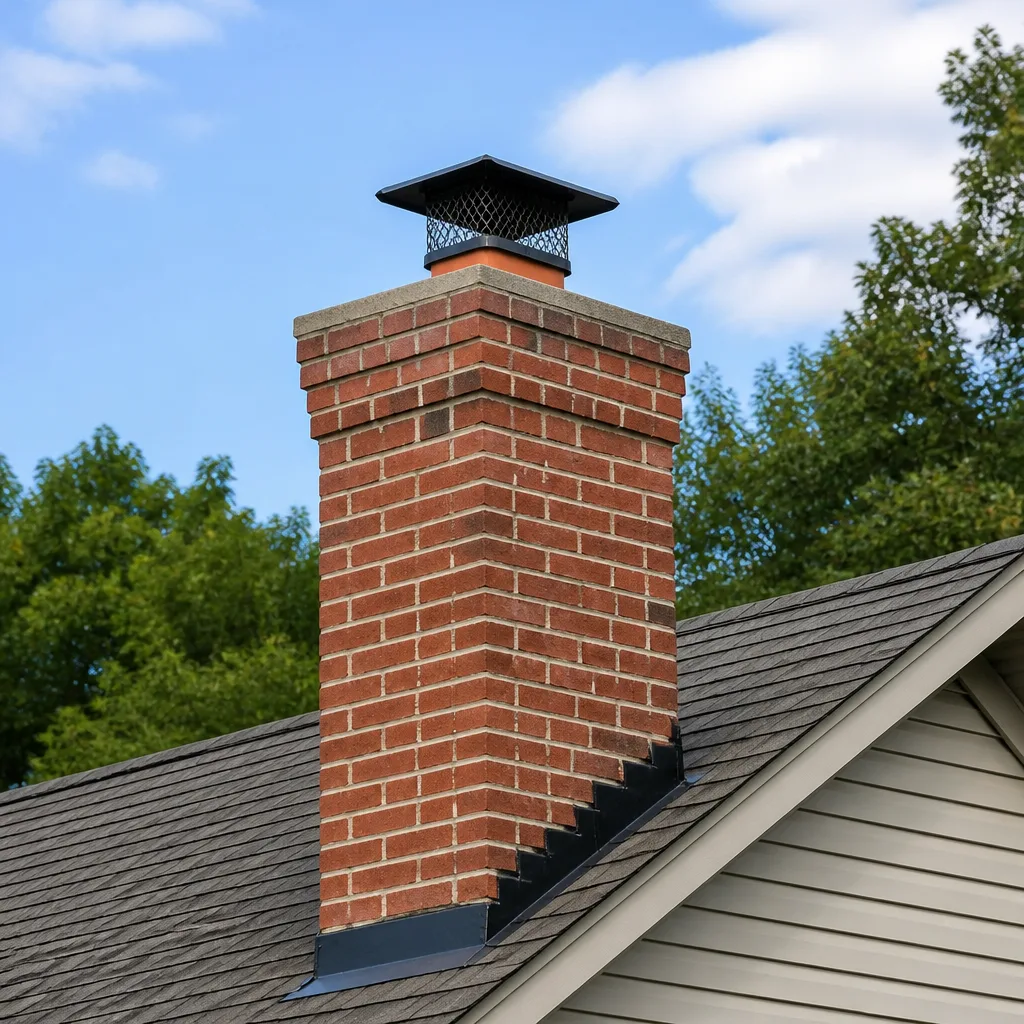
- Look at the chimney cap from the driveway. The cap is the metal or masonry top that keeps rain, birds, and squirrels out of the flue. If the cap is missing, bent, or sitting off-center, water is getting in. A proper cap isn’t the undersized sheet-metal thing you find at a hardware store. Ours come from Gelco and Famco, the same commercial-quality suppliers masonry contractors use.
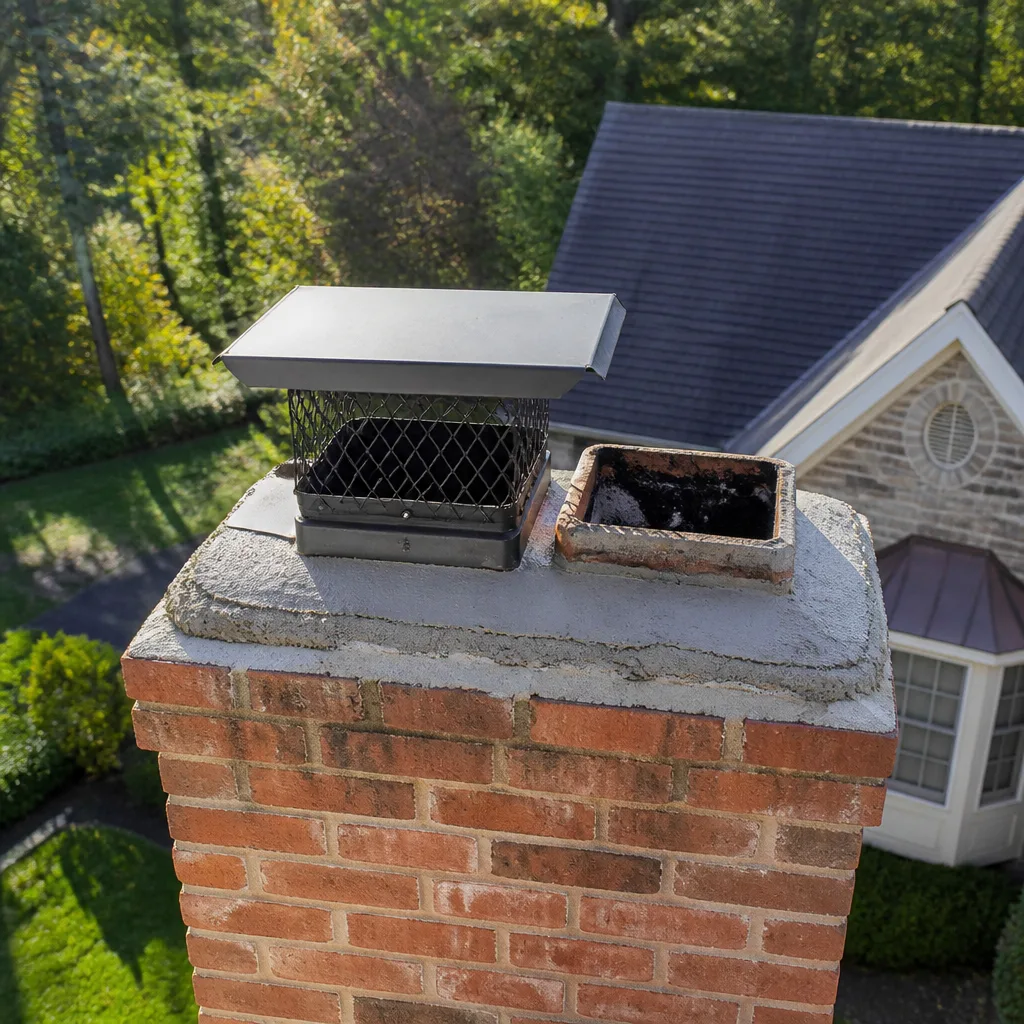
- Scan the crown for cracks. The crown is the flat concrete or mortar surface that sheds water away from the chimney top. Hairline cracks are normal with age. Cracks wide enough that you can see daylight, or a crown that’s crumbling at the edge, are telling you water is getting into the masonry.
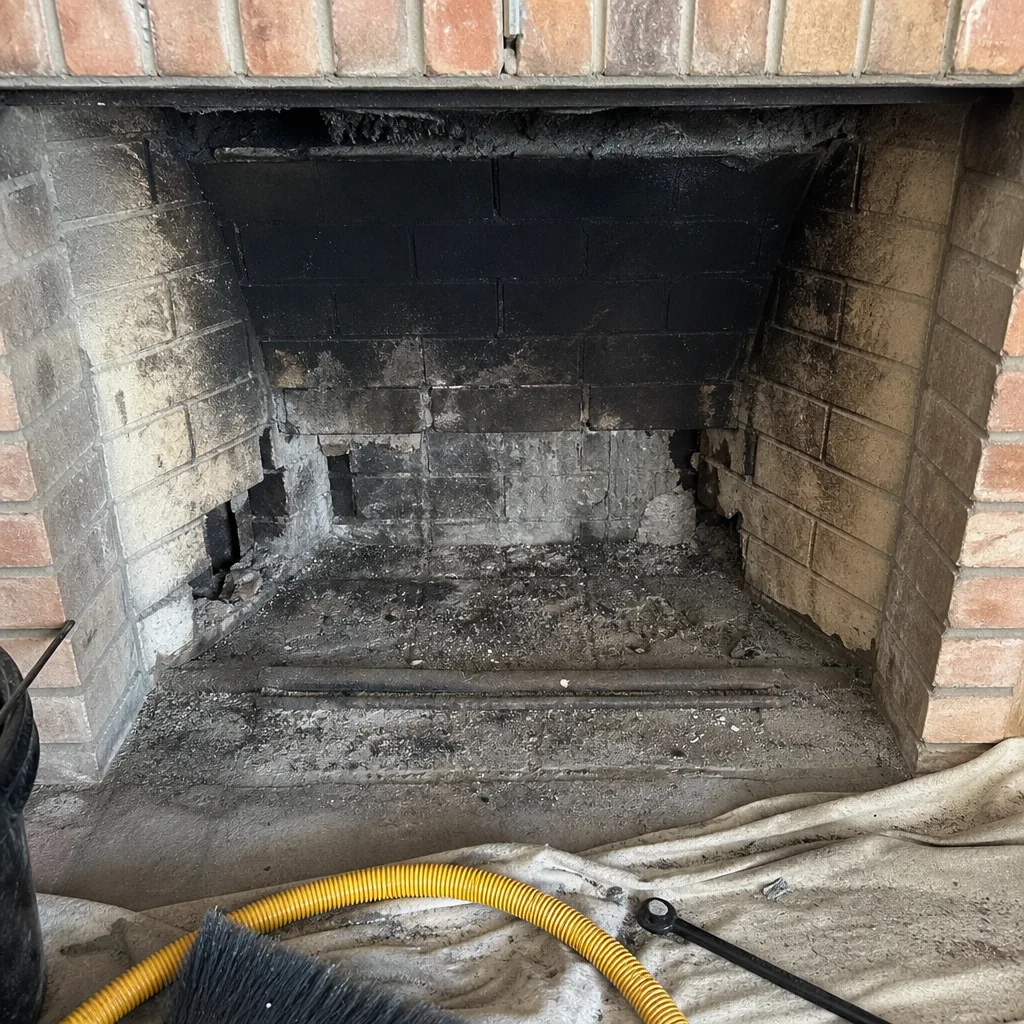
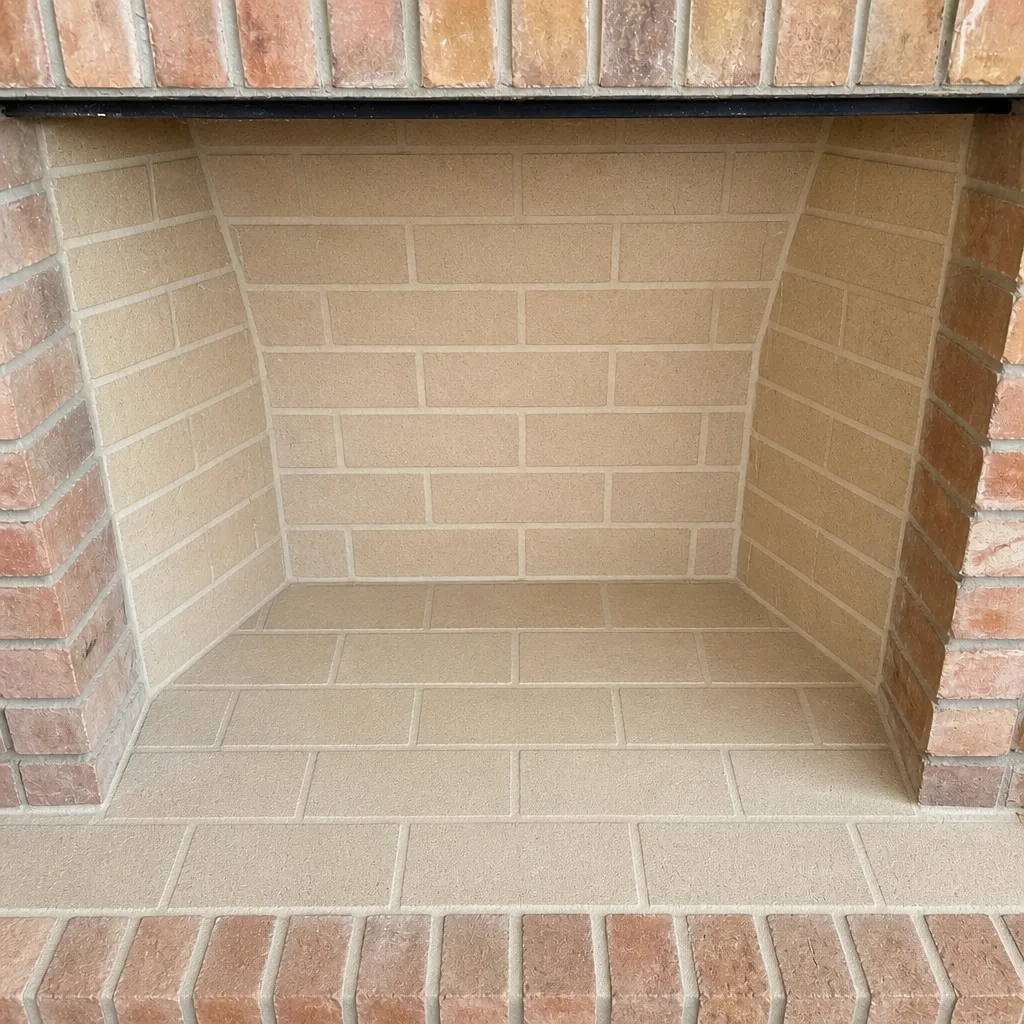
- Check the firebox for cracked mortar and loose bricks. A properly cooled firebox should look tight. Cracks in the firebrick or joints that crumble when you touch them mean hot gas may be reaching parts of the chimney that shouldn’t see it.
- Watch the smoke on a calm morning. Light a small fire and step outside. If smoke rises straight up, the draft is working. If it curls back down or pours from the firebox into the room, the flue is obstructed or the draft is compromised. Neither gets better on its own.
- Smell the chimney when it’s cold. A faint wood-smoke smell is normal. A sharp, acrid, sour smell – like burnt vinegar – signals creosote buildup in the flue. That smell means it’s time for a sweep, not a candle.
These five checks give you real information to describe when you call a sweep. That kind of detail turns a vague “something’s off with my chimney” into a specific service request.
The Annual Professional Sweep: What Actually Happens
A chimney sweep is not a brush on a pole and a wave goodbye. When it’s done right, the annual visit is a diagnosis and a cleaning in one stop. Here’s what the process looks like in a Casa View home.
- Setup and protection. Drop cloths and a shop vacuum with HEPA filtration go down before any brush touches the firebox. Soot is fine and gets everywhere.
- Firebox inspection. The firebox is checked for cracks, loose mortar, and heat damage before sweeping. You shouldn’t sweep a firebox you haven’t looked at first.
- Flue sweeping. Brushes sized to your specific flue dimensions work from the top down (or the bottom up, depending on your setup). The sweep removes creosote and soot from the interior walls.
- Video inspection. A camera is run down the flue. This is the moment the sweep sees what the brush couldn’t. Missing mortar joints, cracked flue tiles, gaps between sections, and heavy creosote glazing all show up on camera. A sweep that doesn’t run a camera is a cleaning, not an inspection.
- Report and photos. You should walk away knowing exactly what the camera saw. Request a copy of the photos, and keep them.
The distinction between “swept” and “diagnosed, not just swept” is what we build every visit around. When we run a camera inspection, we show you what we found on the screen. You see the same thing we see. Nothing is recommended that you can’t verify with your own eyes.
A Level II inspection goes one step further and covers accessible portions of the chimney exterior, the attic space, and the connections to the appliance. It’s the standard inspection for a home sale, after a chimney fire, after any structural event that may have moved the chimney, or when a new appliance is installed.
For ongoing cleaning outside of the annual sweep, our chimney sweep page covers what a routine visit includes for a Casa View home. If you’ve never had the chimney evaluated and you just bought the house, request the inspection before your first fire.
Casa View-Specific Triggers: Hail, Drought Soil Shift, and Long Rain
A chimney in Casa View lives through a specific set of local conditions. Winters are mild, so the flue doesn’t go through months of deep cold. What it does go through is a sequence of weather events that chip away at masonry and the parts of the system that keep water out. Here are the local triggers that should push a chimney to the top of your maintenance list.
After a hailstorm
Hail hits the chimney cap, the crown, and the exposed masonry above the roofline harder than anywhere else on the house. After any hailstorm that leaves dings on your gutters, do a ground-level check of the cap and crown. Look for bent or dented cap screens, chipped masonry, and small pieces of concrete or metal on the roof or ground near the chimney. A damaged cap means water and animals have an open door into the flue.
When drought dries the soil
North Texas summers can leave clay soil tight and shrinking. When the ground pulls away from the foundation, the chimney can shift slightly with it. That tiny movement is enough to open hairline cracks in the crown, separate mortar joints, and crack flue tiles inside the chimney. After a long dry spell, look at the base of the chimney where it meets the house and the ground. If you can see a gap, a crack, or new daylight where none existed before, that’s a call for a camera inspection.
After a prolonged rainy stretch
A wet chimney is a failing chimney. Long rain exposes any weakness in the crown, the flashing, or the cap. Water that enters masonry can work into the flue, break down mortar, and rust the damper. If you notice water stains on the ceiling near the chimney, streaks on the outside of the chimney breast, or a damp smell coming from the firebox, that’s an inspection call. It’s not something to wait out.
Before the first fire of the season
The single best trigger of all is the calendar. Before you light the first fire of the fall, the chimney should be swept and inspected. The sweep clears last year’s creosote and the inspection catches whatever summer weather left behind. In Casa View, that means getting the sweep scheduled before the first cool front, not after.
The value of the inspection and repair work being handled by the same team is that nothing gets lost between diagnosis and fix. When the camera shows a problem, the same crew that found it can plan the repair. For a broader look at how a chimney is diagnosed and serviced, see our main Chimney Sweep Casa View page.
How to Log Chimney Maintenance to Protect an Insurance Claim
If a chimney fire ever happens, the difference between a smooth insurance claim and a contested one often comes down to paperwork. Adjusters want to see that the system was maintained, that inspections happened, and that repairs were made when recommended. A simple maintenance log gives you that story in writing.
You don’t need a spreadsheet. A folder or a digital file works. What matters is that it records the same information every time.
- Date of every sweep and inspection – even if you didn’t hire us.
- Name of the company and the name of the technician if one is given.
- Level of inspection performed (Level I, Level II, or Level III).
- Findings, in plain language – for example, “moderate creosote in upper flue,” or “cracked crown, recommended repair.”
- Photos from the camera inspection – save these alongside the written report.
- Repairs recommended and repairs completed – with dates and invoices.
- Any storm events or ground movement that prompted a follow-up inspection.
This log is also a personal safety tool. Reading back the last three years tells you whether your chimney is stable or drifting into trouble. Two years of “moderate creosote” in the same spot is fine. Two years of “creosote buildup worsening” is a warning sign that the fire you’re building is too cool or too smoky.
One more record worth keeping: a carbon monoxide detector log. Note the date you installed the detectors and the date you tested them. If a detector ever alarms, having that record on hand supports the claim that the home had working CO protection.
HeatShield Resurfacing vs. a Full DuraFlex Liner: Which Does Your Chimney Need?
When a camera inspection turns up damage in the flue, the recommendation often comes down to one of two paths: resurface what’s there, or line the flue with a new system. The choice depends on what’s damaged and how badly.
HeatShield ceramic resurfacing is the non-demolition path. It’s used when the flue has cracked or deteriorated joints, gaps in mortar, or a rough interior surface, but the structural clay tiles are still mostly in place. A ceramic resurfacing material is applied to the inside of the flue, sealing cracks and creating a smooth, heat-resistant lining without tearing down masonry. It’s the method most competitors don’t offer or aren’t trained to apply, and it’s dramatically less invasive than a rebuild.
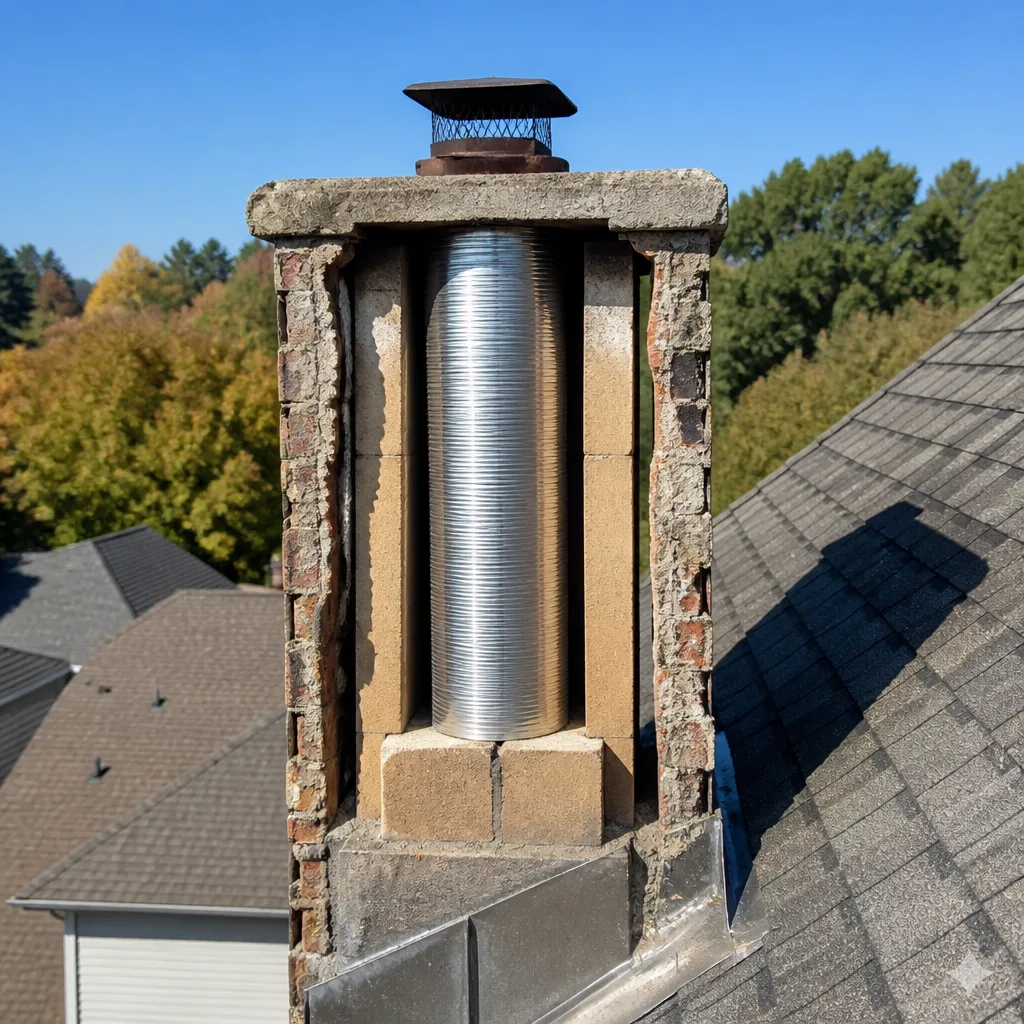
A DuraFlex flexible liner is the right call when the flue tiles are missing, badly cracked, spalling, or shifted, or when the interior has deteriorated to the point where there’s no surface left to resurface. A flexible stainless liner runs the full height of the flue and gives you a continuous, sealed pipe from appliance to cap. It’s installed in-house and doesn’t require tearing down the chimney around it.
Here’s the decision framework we use:
- Is the flue tile structure largely intact but cracked or jointed? HeatShield resurfacing is usually the answer.
- Are tiles missing, spalling, or shifted? A DuraFlex liner is the answer.
- Has there been a chimney fire? A Level II inspection determines whether resurfacing or a liner is needed. The camera decides, not the sales pitch.
- Is there a new appliance being connected (new insert, new furnace, new water heater vent)? A liner that matches the appliance’s requirements is typically required.
If you’ve heard a “you need a new liner” pitch and you have no way to verify it, that’s exactly the situation we built our process to prevent. You should never be sold a liner without seeing the camera footage of the damaged flue. Ask to see the video. If the sweep can’t or won’t show you, that’s a decision made on a sales script, not on evidence. For the full picture of how caps and crowns fit into the system, see our chimney cap & crown page.
Both resurfacing and relining are ways to protect the chimney without a tear-down. They’re not interchangeable. Diagnostic discipline matters more than either product.
A Seasonal Checklist Calendar for Casa View
Timing the tasks matters as much as knowing them. This is how a maintenance year is structured for a Casa View home that burns wood from fall through winter.
Fall (before the first fire)
- Book the annual sweep and inspection before the first cool front – do it early, not the week you want to burn.
- Test smoke and carbon monoxide detectors. Replace detector batteries.
- Clear the roof of leaves and limbs near the chimney.
- Confirm the damper opens and closes freely and seats correctly.
- Get the camera inspection report and save it to your maintenance folder.
Winter (during the burning season)
- Do the ground-level five checks once a month.
- After any hailstorm or heavy wind event, do the cap and crown check again.
- Watch for smoke curling back into the room or a sudden change in draft.
- Keep a fire extinguisher near the hearth and know where it is.
Spring (end of the burning season)
- Empty the firebox and clean out ash.
- Look at the crown and cap for winter damage. Hail can fall well into spring here.
- If the inspection report flagged any repairs, schedule them now rather than waiting until fall.
- Close the damper and check the firebox for any new cracks that opened during the season.
Summer (drought and heat)
- After a long dry stretch, look at the base of the chimney for signs of soil movement.
- Inspect the cap for bird nests, wasp nests, and animal activity (screens keep most of this out, but check).
- If you had water intrusion in the spring, this is the season to repair the crown or flashing.
If you’re already planning a repair, our fireplace repair page covers what’s typically involved in the firebox and masonry work that goes along with it.
Common Mistakes to Avoid
- Hiring a sweep who brushes and leaves without a camera inspection. A cleaning with no camera run is an incomplete job. You don’t know what’s inside the flue, and neither do they.
- Buying a hardware-store cap instead of a properly sized one. Small caps from the local store get bent by wind, rust through, or don’t cover the flue opening. Caps from a supplier like Famco or Copperfield fit the chimney and last.
- Skipping the sweep because “I only burn a little wood.” Even a modest amount of wood creates creosote. Cool, slow burns in an under-drafted chimney build the worst deposits, and those deposits are what catch fire.
- Using the fireplace as a trash incinerator for wrapping paper and cardboard. Those materials burn hot and fast and can ignite existing creosote. In Casa View’s mild winters, this is a more common way to start a chimney fire than anything else.
- Waiting until fall to book an inspection. When the first cool front hits, everyone in Casa View calls at once. Booking in late summer avoids a wait and gets repairs done before you need the fireplace.
- Not saving inspection reports and photos. When your insurer asks what was found last year, a folder with camera footage and dates makes the claim simple. An empty folder makes it harder.
- Treating a chimney fire as a non-event. A chimney fire can leave the flue structurally unsafe even after the flames stop. After any suspected fire, stop using the fireplace and get a Level II inspection before lighting another one.
Most of these come down to the same decision: whether to trust a diagnosis you can see or take a pitch on faith. We work on the visible-evidence side of that line.
See the difference
 Before
 After
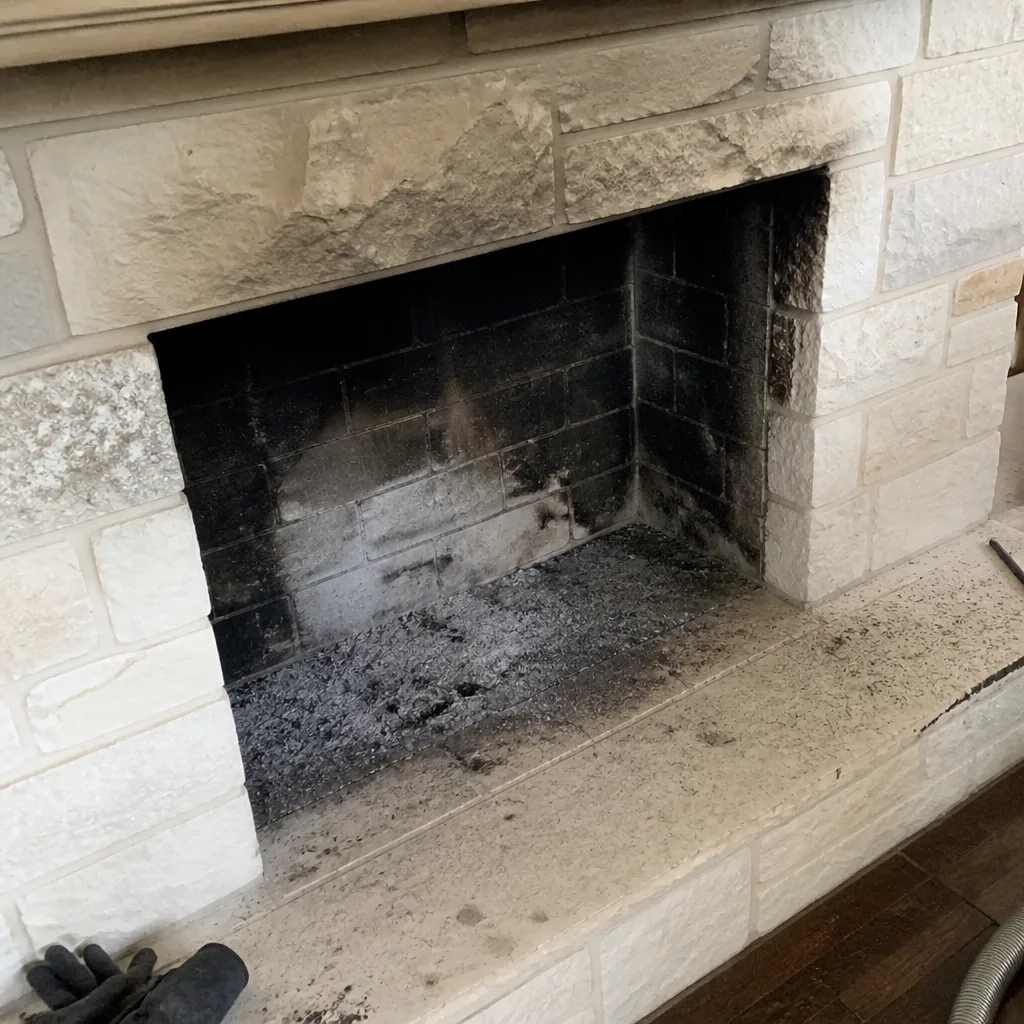 Before
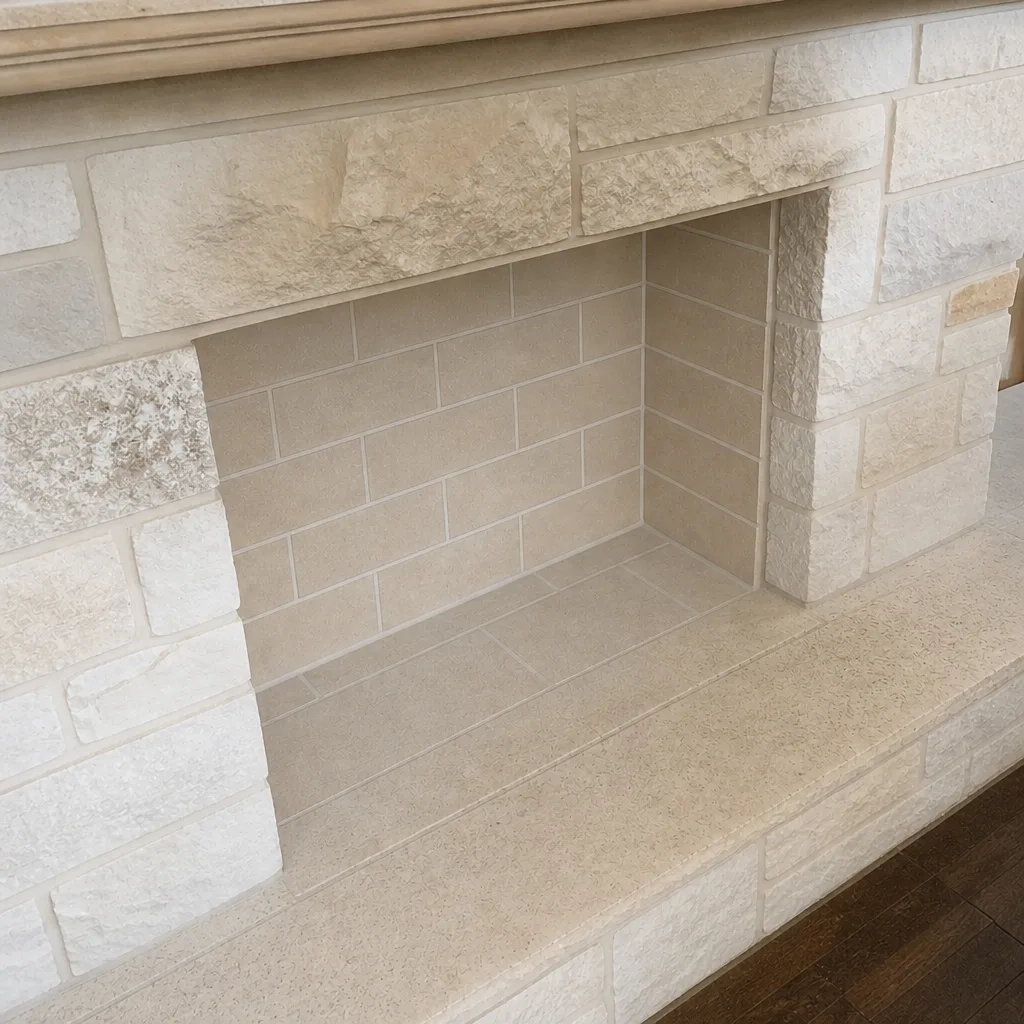 After
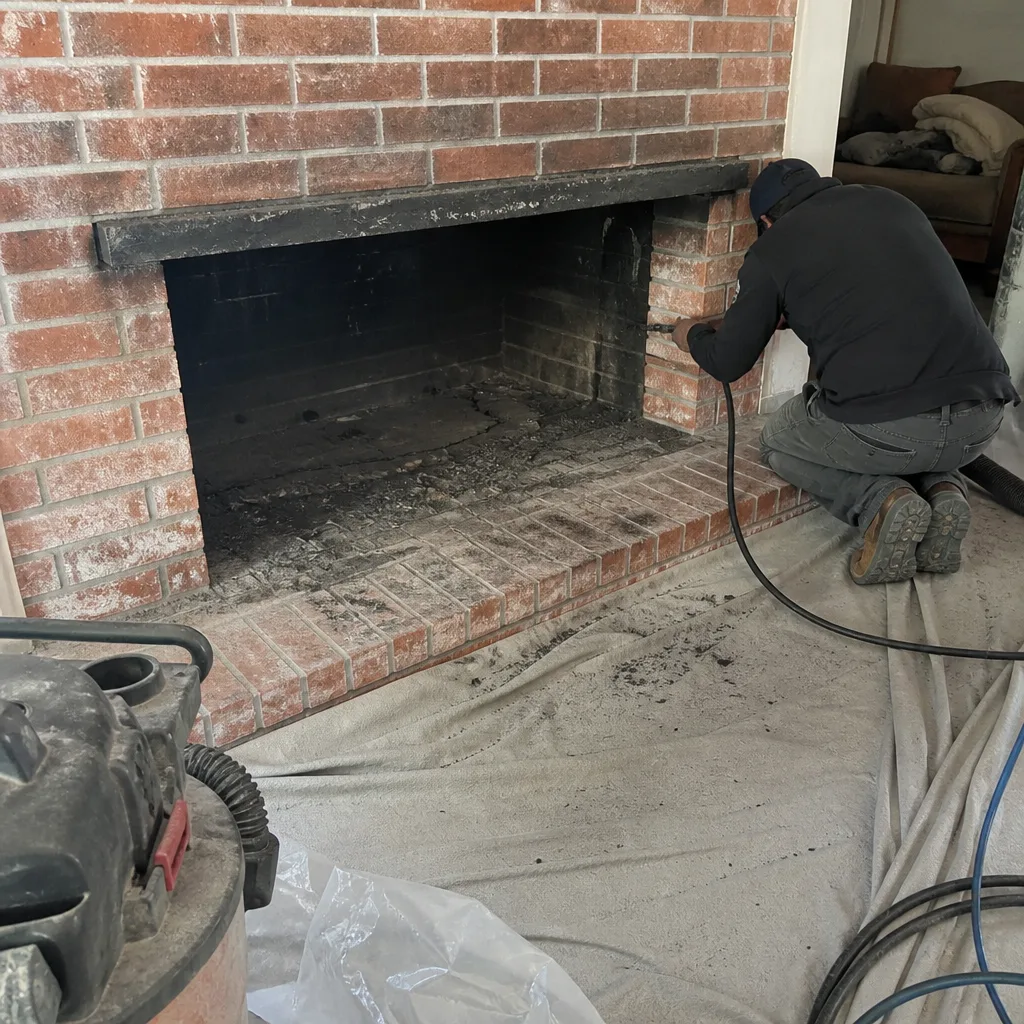 Before
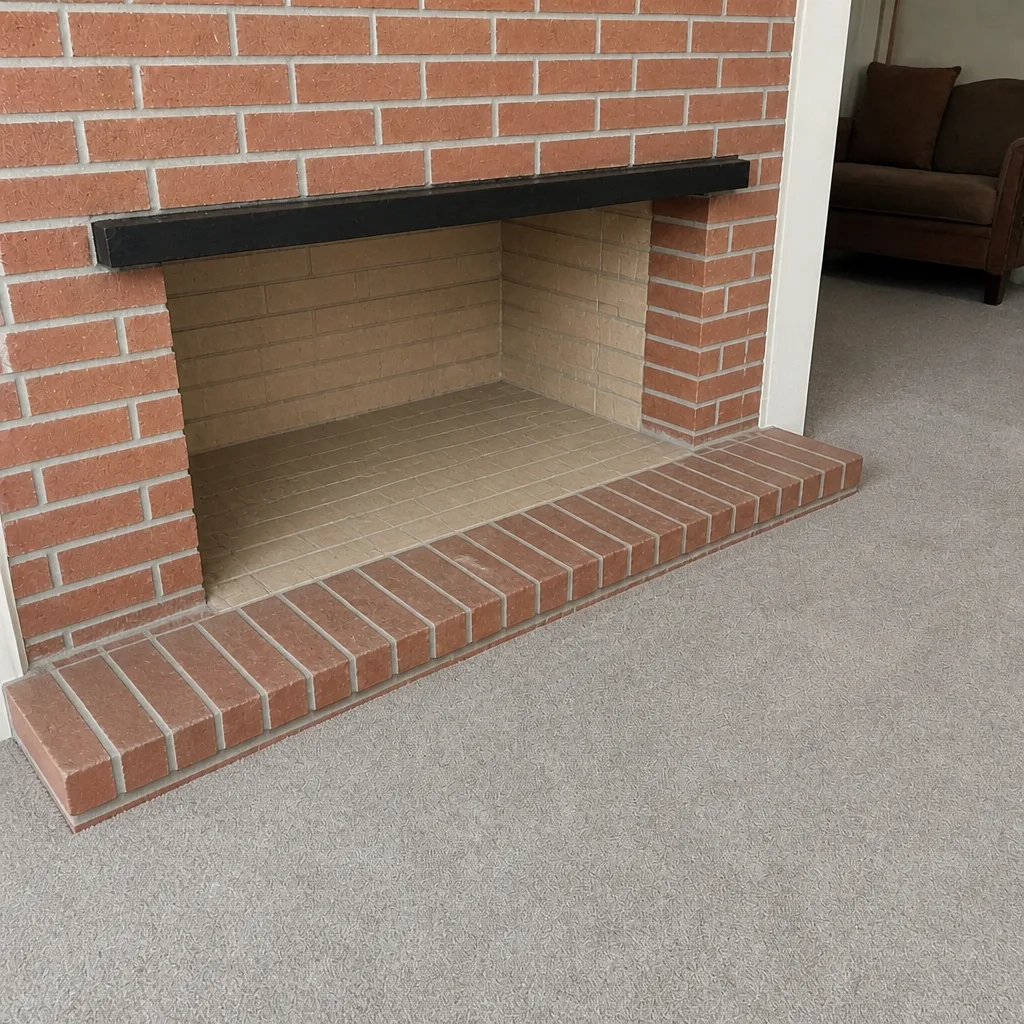 After
When to Call a Professional
Call a professional if you see any of these: visible smoke backing into the room, a strong creosote odor, cracked flue tiles visible in the firebox, a carbon monoxide alarm, or damage to the cap or crown you can’t safely inspect up close. Call after any suspected chimney fire, and after a home inspector flags anything on the chimney. If you’ve moved into a Casa View home and don’t have a maintenance history, call for a Level II inspection before your first fire. Chimney Sweep Casa View offers free estimates in Casa View – call (844) 947-2044. We answer 24/7. Fast dispatch from 7am to 7pm, Sunday through Friday. A call outside dispatch hours is booked into the next opening. Our technicians have up to 14 years of experience, and the local pro is licensed and insured as their state requires. The written estimate sets the final price.
Frequently Asked Questions
A standard chimney sweep in the Casa View area is estimated per job based on the flue length, condition, and whether a camera inspection is included; the written estimate sets the final price. You’ll get the price in writing before the work begins. Call (844) 947-2044 for an exact quote – estimates are free.
Only if the camera inspection shows your flue can’t be resurfaced safely. A cracked or jointed flue with intact tiles is often a candidate for HeatShield resurfacing. Missing, shifted, or spalling tiles push the call to a DuraFlex flexible liner. You should never be told you need a liner without seeing the footage yourself. Call (844) 947-2044 and ask to see the camera inspection before any decision.
Once a year for most homes that burn wood, timed before the heating season. A home that burns frequently, or that burns poorly seasoned wood, may need a sweep mid-season as well. If you’re unsure, a quick inspection tells you. Call (844) 947-2044 for a free estimate.
Creosote accumulates in the flue, and heavy creosote is what fuels a chimney fire. Carbon monoxide can also find a path back into the home if the flue is obstructed or damaged. These are the reasons the annual sweep exists, not marketing. Call (844) 947-2044 if you haven’t had the chimney checked this year.
No. A properly sized, commercial-quality cap shouldn’t bend in ordinary hail or wind. A bent cap means it wasn’t the right cap for the chimney to begin with, and it’s letting water in. Call (844) 947-2044 for an assessment and a properly fitted replacement from Gelco or Famco.
Not until the chimney has been inspected at Level II and confirmed to be structurally sound. A chimney fire can crack tiles you can’t see, and the next fire can push carbon monoxide or smoke through those cracks. Call (844) 947-2044 to schedule the inspection before you light another fire.
The Bottom Line
A chimney maintenance checklist is useful only if it tells you who does what. The five ground-level checks are yours to do any month of the year. The annual sweep and camera inspection are the sweep’s job, and they’re worth doing every year. Emergency calls are the ones where you stop using the fireplace and pick up the phone. For Casa View, add three local triggers to the calendar: after a hailstorm, after a drought-driven dry spell, and after a prolonged rainy stretch. Keep a written log with photos, and never accept a liner recommendation you can’t watch on camera. Everything else follows from those habits. If it’s time for your annual sweep, call Chimney Sweep Casa View at (844) 947-2044 for a free estimate – diagnosis and repair handled by the same team, from the same professional-grade materials masonry contractors specify.
Written by the team at Chimney Sweep Casa View.